

What are the 12 most common air conditioning problems?
Faulty wiring (fire hazard), refrigerant leaks (environmental), drainage blockages, electrical control issues, non-working outside fans, frozen coils (dirty filters), sensor misalignment, compressor failures, dirty condenser coils, corroded evaporator coils, failed capacitors, and tripped breakers. Professional inspection catches problems early, preventing costly damage.

Air conditioners are necessary, especially if you live in hot regions or the summer heat is too intense. Surviving the intense summer heat can be a frustrating experience if your air-conditioning system decides to cause problems during this period of intense heat. You should hire a licensed and experienced expert for your AC repair. You can check this link summersphc.com/muncie/services/cooling/ac-repair/, for more details.
There are many people whose air conditioners give up on them midsummer. Such failures can happen even if the air conditioner doesn’t show any faulty signs. This is because air conditioners are designed to be long-lasting, dependable, and durable.
Even with the manufacturers’ warranty, the system can pack up at any time, and many factors can cause this problem. This article will be highlighting 12 major air-conditioning problems and how you can easily resolve them.
12 Air Conditioning Problems And How To Resolve Them
Faulty Wiring:

If your AC unit’s wiring isn’t done properly, especially at the system installation, it may prevent the air-conditioning system from getting full power. In addition, bad, haphazard air conditioner wiring is risky and can cause a possible fire outbreak.
Bad wiring prevents the unit from getting the full power it needs for efficient operation and trips the circuit breaker. Faulty wiring can also lead to the corrosion of sensitive terminals and wires, which can cause fire outbreaks. It may also cause heating problems, requiring professional inspection of the heating system.
You should always inspect your air conditioner wiring system if you smell wire burning or see occasional sparks. Then it is advisable to turn off your unit and call a professional to check it out.
Refrigerant Leaks:

Refrigerant leaks are one of the most common problems in a faulty air-conditioning system. When the refrigerator coolant starts to leak, the air conditioner will not perform effectively, and the temperature will always fluctuate.
The refrigerant is the part of the air conditioner that makes it work as an air conditioner. Many factors can cause refrigerant leaks.
- Formic acid can start to eat away the copper pipes and cause refrigerants to leak.
- Basic wear and tear of the unit components is expected, especially if the unit has been in use for some time.
- A strong vibration or shock can weaken the seals between the pipes and damage the pipe itself.
- A refrigerant leak can happen if the air conditioner is undercharged during installation.
Sometimes low refrigerants can be caused by human error and not necessarily a leak. The performance of your air conditioner is optimal when the refrigerant charge meets the unit manufacturer’s specifications.
Refrigerant leaks are harmful to the environment. Therefore, anytime you suspect a refrigerant leak, it is advisable to call in a professional to have your unit checked out.
Drainage Problems:

Another major problem that can lead to a faulty air-conditioning system is drainage problems. When the weather is humid outside, you should inspect the condensate drain to ensure it is working properly.
A clogged drain can lead to many problems that will eventually damage the air conditioner. Room air conditioners can also have drainage problems if you do not mount them properly.
Electric Control Issues:
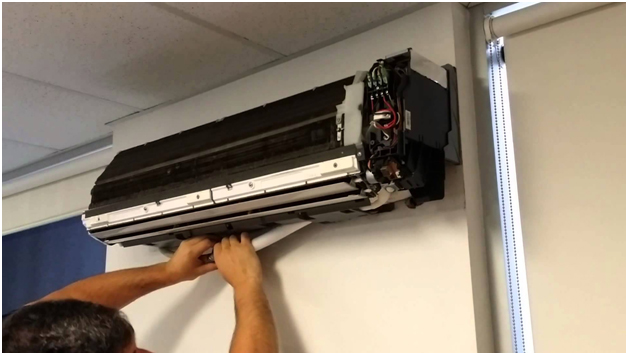
An air-conditioning system usually affects electrical connections and contacts. The compressor and fan tend to wear out, especially when the system turns on and off often. As a result, a chance for heating repair arises to prevent any other issues.
Maintaining the electrical control of your cooling system is important to stop your AC from developing a fault.
Outside Fan Not Working:

The outside fan’s job is to convey hot air or heat from your home to the outside air. If the outside fan is not working properly, it will not convey heat from your home to the outside.
Such a scenario may cause the air conditioning compressor to overheat and even trip the safety overload switch. It can even cause internal damage to the compressor.
Frozen Coil:

This is a problem encountered by most air-conditioning systems. A block causes a frozen coil in airflow, which is a direct result of dirty air filters. Low refrigerants in the air-conditioning system also cause frozen indoor coils.
To eliminate this problem, make sure you clean your air filters regularly and always check if your refrigerant is filled to the manufacturer’s specification.
Sensor Problems:

Every room air conditioner has an inbuilt thermostat sensor, which measures the amount of air passing through the evaporative coil. The thermostat sensor is located near the control panel, and if knocked out of position, it can make the air conditioner start working inefficiently.
To ensure the sensor is working perfectly, make sure it doesn’t touch the coil, just near it. You can adjust the wire by carefully bending and placing the wire that holds the thermostat in place.
Compressor Problems:
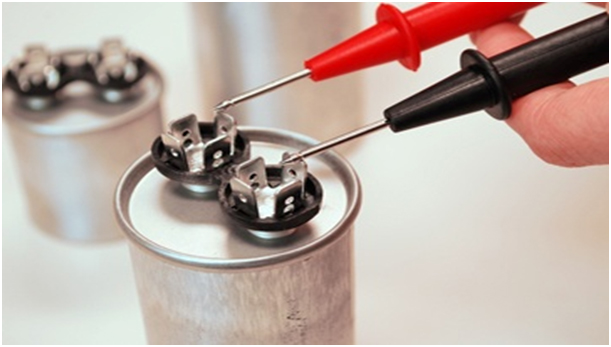
The compressor helps carry out heat exchange by applying energy to the refrigerant and passing it through the coil. However, if the compressor is not working, then the air-conditioning system will not cool your home.
If there is not enough refrigerant, then the compressor will run too hot and eventually pack up. Too much refrigerant can cause some to return to the compressor, which may lead to it stopping working.
Condenser Coil:

The condenser coils are located outside the compressor, so there is a high possibility of getting dirty due to the elements. They can usually be cleaned with a water hose, but if they get too dirty for a water hose, a professional can clean them with a specific chemical agent.
Evaporator Coils:

The evaporator coil’s job is to absorb heat in the air, pass it through some cooling ducts, and pass it inside your home as cool air. Unfortunately, these coils can become corroded over the years and require proper maintenance to keep them working at their optimum.
Capacitors:

Without the air-conditioning system capacitor, the compressor and fans won’t work. There are two types of capacitors, the start capacitor and the run capacitor. The start capacitor activates the motor, while the run capacitor keeps the motor running.
Breakers and Fuses:

The breakers and fuses help safeguard the compressor and motors from overheating. When the motor or compressor dies, the first thing the repairman checks is the breaker.
The air conditioning system is still not working. Get a professional to do the job. Contact Apex Air Conditioning Sydney, the commercial air conditioning experts you can count on!
FAQs: Identifying and Fixing AC Problems
What are the danger signs of faulty AC wiring?
Burning wire smells and occasional sparks indicate immediate danger requiring professional attention. Faulty wiring prevents full power delivery, trips circuit breakers, corrodes terminals, and creates fire hazards. Please turn off the unit immediately and contact a licensed technician. Never ignore these warning signs—fire risks are serious and life-threatening.
How do I know if my AC has a refrigerant leak?
Fluctuating temperatures and reduced cooling performance indicate refrigerant loss. Causes include formic acid eating copper pipes, basic wear and tear, strong vibrations damaging seals, or undercharging during installation. Refrigerant leaks harm the environment, requiring professional repair. Never attempt DIY refrigerant handling—environmental regulations prohibit such actions.
What problems do clogged AC drain lines cause?
Clogged condensate drains during humid weather lead to water damage, mold growth, and system failure. Window units face problems if improperly mounted. Regular drain inspection and cleaning prevent backup accumulation. Professional cleaning uses chemical agents for severely clogged drains. Preventive maintenance addresses this issue before damage occurs.
Why do electrical contacts fail in air conditioning systems?
Frequent on-off cycling wears compressor and fan contacts, requiring maintenance to prevent contact failure. Electrical degradation leads to compressor dysfunction. Regular maintenance prevents contact damage and extends system lifespan. Professional checks identify wear patterns before catastrophic failure occurs.
What happens when outside AC fans stop working?
Non-functional outside fans prevent heat conveyance from homes to outdoor air, causing compressor overheating and potential damage. The safety overload trips, shutting down the system. Internal compressor damage results from extended overheating. Prompt outside fan repair prevents expensive compressor replacement or complete system failure.
Why do AC coils freeze, and how do I prevent it?
Airflow blockage from dirty air filters or low refrigerant levels causes frozen indoor coils. To prevent freezing, regularly clean air filters and maintain proper refrigerant levels. This common problem often stems from neglected maintenance. Simple preventive actions avoid costly coil damage and system shutdown.
How do I fix misaligned AC thermostat sensors?
Thermostat sensors measure air passing through evaporator coils—if knocked out of position, efficiency decreases. Carefully bending the sensor wire keeps sensors near but not touching coils. This simple adjustment restores proper operation. Minor repositioning solves sensor problems without professional repair.
What refrigerant charge causes compressor problems?
Insufficient refrigerant forces compressors to run hot, eventually failing. Excessive refrigerant sends liquid back into compressors, causing malfunction. Proper manufacturer-specified refrigerant charges ensure optimal performance. Professional charging maintains correct levels, protecting compressor investment and system longevity.
How should I clean dirty AC condenser coils?
Water hose cleaning removes light dirt from outside condenser coils. Heavy dirt accumulation requires professional chemical cleaning for thorough results. Outside location exposes coils to environmental debris—regular cleaning maintains efficiency. Professionals have specialized equipment for difficult cleaning jobs.
Why is professional AC repair essential rather than DIY?
Professional technicians diagnose complex problems accurately, handling dangerous components like refrigerants and electrical systems safely. Their expertise prevents costly mistakes and system damage. Licensing requirements exist for sound reasons—improper repair creates safety hazards. Summer breakdowns necessitate professional service, maintaining warranty coverage and ensuring proper repairs.
