

What Decor Features Improve Indoor Air Quality?
Five Key Decor Features Enhance Air Quality:
- Air-purifying houseplants like snake plants and pothos
- Natural fiber textiles such as cotton, wool, and jute
- Proper ventilation systems including exhaust fans and windows
- Minimalist design that reduces dust accumulation
- Non-toxic paints and finishes with low or zero VOCs.
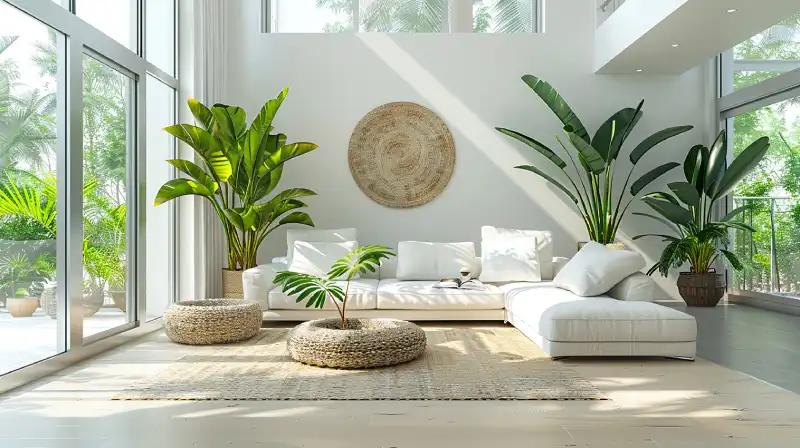
Are you concerned about the air your family breathes inside your home? Indoor air quality is a hot topic, as the tight construction of newer homes traps more pollutants and toxins indoors. We have a variety of chemical goods in our houses that, shockingly, can emit organic molecules even when they are kept! Paints, cleaning products, disinfectants, fuels kept in storage, wood preservatives, and dry-cleaned textiles are the usual suspects that contain VOCs. Therefore, VOC Testing in Los Angeles is performed to determine the best way to enhance air quality.
The more homeowners learn about the chemicals released by new carpeting, furniture, and the chemicals found in cleaners and air fresheners, the more likely they look for ways to create a healthier indoor environment. Here are some ideas for attractive ways to improve your indoor air quality.
Decorate With Houseplants

Plants are some of the most beautiful air-freshening items you can add to your home. They absorb carbon dioxide and emit fresh oxygen constantly, which is the earth’s natural approach to air filtration. They also bring a touch of life and energy to any room. Try a tall palm in a corner, or hang a spider plant over the kitchen sink. Boston ferns acclimate well to bathrooms, where sunlight might be lacking. A windowsill full of herbs or African violets in bloom will perk up a dull kitchen space instantly.
Install A Smart Thermostat
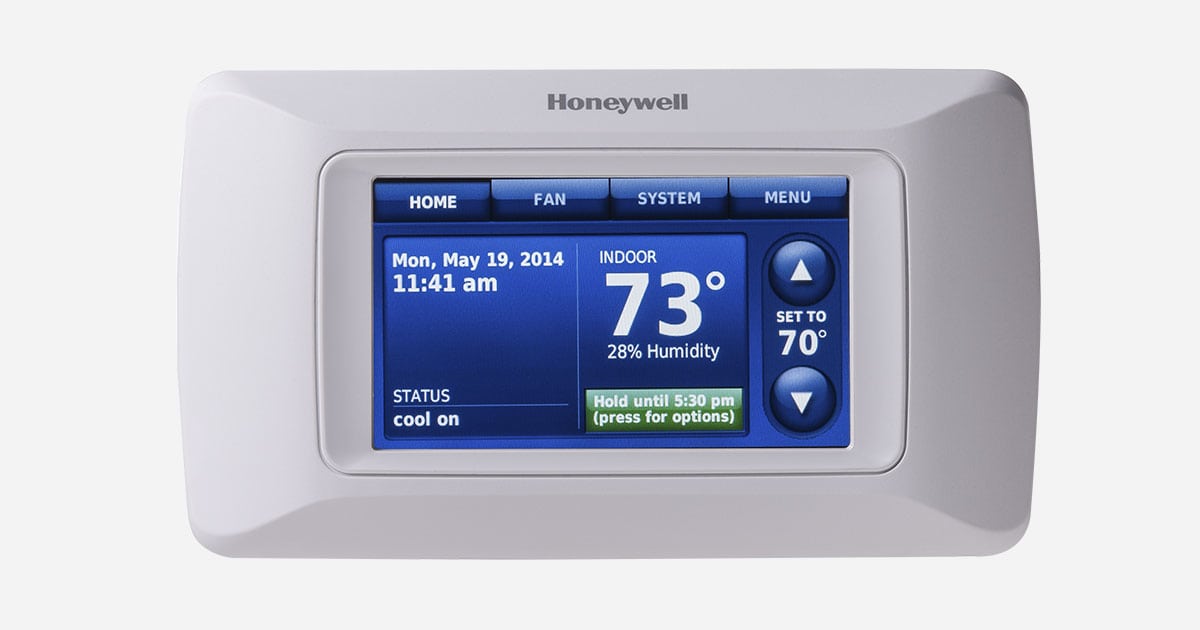
Maintaining the right temperature and humidity level in your home is vital to preventing mold spore and germ overgrowth. An updated HVAC system is one of your best lines of defense against indoor pollutants, as the newer systems can filter out nearly all allergens and pollutants, as well as some other irritants. The smart thermostat can also be a decorating feature, offering a flat-screen display of weather and home comfort information instead of an old-fashioned, clunky box-style thermostat.
Buy VOC-Free Decor
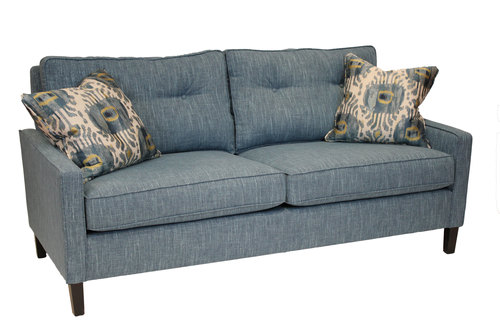
If you don’t want to worry that your next furniture or decor purchase will release toxins into your home, look for VOC-free furnishings.
- Look for furniture cushions filled with cotton, down, or wool.
- Avoid fabrics with chemical coatings that make them resist stains and moisture.
- Buy solid wood furnishings.
- Look for words like “Zero VOC” or “Low VOC.”
- Avoid fabrics treated with flame-retardant chemicals.
Use Fresh Flowers

Instead of scenting your air with phthalate-laden chemical air fresheners, arrange some scented flowers in each room. Bouquets of lavender, lilies, and potted hyacinths are all very fragrant and long-lasting, and they bring beauty as well as a fresh scent to your rooms. If you’re expecting guests, place a large arrangement near the front door to greet them with a scent and add a small bouquet in each bathroom.
Replace Your Carpets

Most carpets are made from petroleum-based fibers that emit all sorts of pesticides, neurotoxins, and carcinogens. Carpets also trap dust, mold, and toxins in their fibers and the padding underneath. If possible, remove your carpet by dampening it first to reduce dust, and then take it out while wearing safety masks, glasses, and gloves. Then, replace the carpeting with healthier options like wood, linoleum, stained concrete, cork, or ceramic tile. If you can’t remove your carpeting, practice leaving shoes at the door to avoid tracking in pollutants from outdoors and often clean with a HEPA-filter vacuum.
It’s possible to have a beautiful home that is also a healthy place to spend time with your family. But, once you start educating yourself on indoor pollutants, you’ll find lots of ways to improve your indoor air quality and your family’s health.
FAQs: Improving Indoor Air Quality Through Decor
Which houseplants are most effective at purifying indoor air?
Snake plants, pothos, spider plants, and peace lilies are among the most effective air-purifying plants. They naturally filter toxins like formaldehyde and benzene while releasing oxygen, making them ideal for bedrooms and living spaces.
How do natural fiber textiles improve air quality compared to synthetic materials?
Natural fibers like cotton, wool, linen, and jute don’t emit harmful VOCs (volatile organic compounds) that synthetic materials often release. They’re also breathable, reduce static that attracts dust, and can be washed regularly without degrading.
What ventilation improvements make the biggest difference in air quality?
Installing exhaust fans in kitchens and bathrooms, using HEPA air purifiers, and maximizing natural airflow through strategically placed windows creates the most impact. Cross-ventilation helps remove stale air and indoor pollutants effectively.
Why does minimalist decor help with indoor air quality?
Fewer decorative items mean less surface area for dust and allergens to accumulate. Minimalist spaces are easier to clean thoroughly, reduce clutter that traps particles, and often incorporate more open space that allows better air circulation.
What should I look for when choosing non-toxic paints and finishes?
Look for products labeled “low-VOC” or “zero-VOC,” which emit minimal harmful chemicals. Water-based paints, natural oil finishes, and products certified by Green Seal or Greenguard are safer alternatives that won’t compromise your indoor air quality.
Can decorating choices really reduce allergens and respiratory issues?
Yes, strategic decor choices significantly impact respiratory health. Avoiding heavy curtains that trap dust, choosing washable materials, incorporating air-purifying plants, and using hard flooring instead of wall-to-wall carpeting can reduce allergens by up to 50%.
How often should I clean air-quality-focused decor items?
Dust houseplant leaves weekly, wash natural fiber textiles every 1-2 weeks, vacuum rugs twice weekly, and replace air purifier filters every 3-6 months. Regular maintenance ensures these features continue improving rather than hindering air quality.
Are there specific rooms where air-quality decor matters most?
Bedrooms and living rooms benefit most since you spend the majority of your time there. Kitchens and bathrooms require strong ventilation due to moisture and cooking fumes, while home offices benefit from plants and natural materials for productivity and health.
What’s the most budget-friendly way to start improving air quality through decor?
Start with affordable air-purifying houseplants like pothos or spider plants (under $15 each), maximize natural ventilation by opening windows strategically, and gradually replace synthetic textiles with cotton or linen alternatives during your normal replacement cycle.
Do air-purifying decor features work in small apartments or limited spaces?
Absolutely. Even small spaces benefit from 2-3 strategically placed houseplants, switching to natural fiber bedding and towels, using low-VOC paint on walls, and incorporating a compact air purifier. Vertical plant arrangements and wall-mounted solutions maximize impact without taking floor space.
