

Your home environment directly impacts your mood, stress levels, and emotional well-being. Learn how lighting, clutter, colors, air quality, and layout can influence mental health and discover simple ways to create a happier, healthier living space.
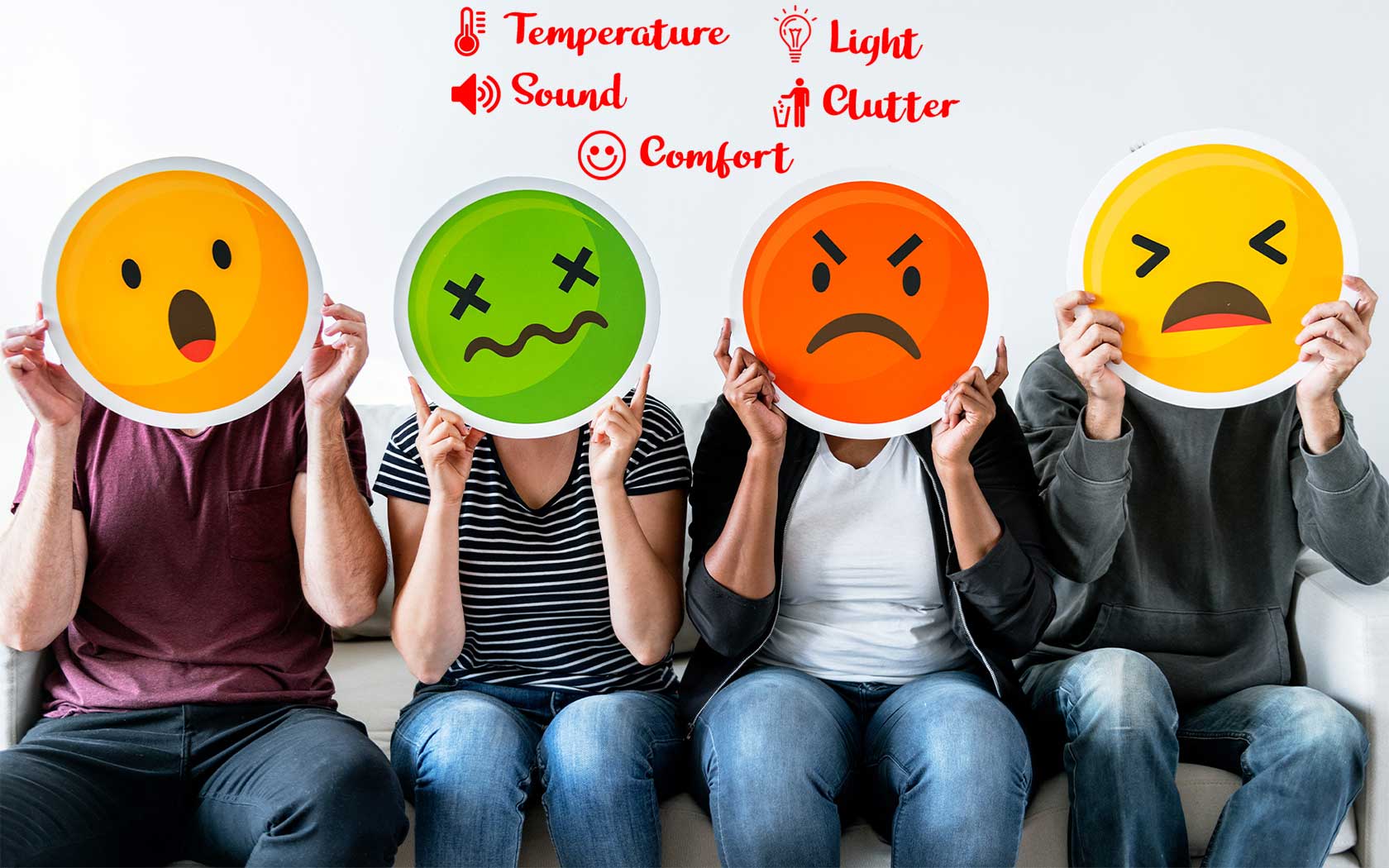
Your home is the most important environment in your life. The layout and decoration of your home can have a significant impact on your mood, making you cranky and irritable if something isn’t right.
In the current pandemic, you’re probably spending more time at home than normal. This means that the quality of your home is more important now than ever. So, if you find yourself constantly in a bad mood, some of the following factors could be having an impact.
Temperature
We all know how horrible it is to feel too hot or too cold. Getting the temperature of your home right can feel difficult, especially if household members have different preferences. An increase in temperature can cause aggressiveness and irritability, whereas a decrease in temperature can make us depressed or low. So, in hot months, make sure your air conditioner is working properly (for more information, see this Las Vegas AC repair), and don’t scrimp on central heating in colder months.
Sound
Some people are more sensitive to sounds than others. But research shows that sounds in your house can have a direct impact on your mood. The constant hum of a fridge, revving motors from the traffic outside, or the dripping of a tap can make us feel more irritable, linking it to depression and anxiety. So, if you’re feeling cranky, considering ways to tackle noise issues can help, such as wearing earplugs or listening to music. Fixing the leaky tap might be a good idea, too.
Light
People tend to feel lower in the winter months when there is less natural light. Why? Light has a significant impact on our mood. A dark, dingy space can make us feel low and depressed, whereas a house with large windows and natural sunlight can raise our spirits and make us feel more motivated and positive. So, keep those curtains open and let the sunshine make an appearance. For those dark winter months, try some LED lighting.
Clutter
A cluttered house can be a significant cause of stress and a low mood. When your house is messy and disorganized, everything in your life can feel out of order. So, take some time every week to clean and organize, and invest in storage units if the mess is racking up quickly.
Comfort
We all feel unhappy when we aren’t comfortable. Sitting on a wooden stool for an entire day can cause back and neck pain, which is enough to make even the cheeriest person feel a little cranky. You may not know it, but a lack of comfort in your home could be the reason for your bad mood. So, invest in a proper desk chair for working and get some squishy armchairs for relaxation time.
FAQs: How Your Home Environment Affects Your Mood
Can your home environment really affect your mood?
Yes, your home environment can significantly influence your emotional well-being. Factors like lighting, clutter, noise levels, air quality, and room colors can impact stress, anxiety, focus, and overall happiness.
How does clutter affect mental health at home?
Clutter can create feelings of stress, overwhelm, and mental fatigue. A disorganized living space may reduce productivity and make it harder to relax, while a clean and organized home often promotes calmness and mental clarity.
What colors in a home can improve mood?
Soft blues, greens, warm neutrals, and natural earth tones are commonly associated with relaxation and comfort. Bright colors like yellow may boost energy and positivity when used in moderation.
Does lighting in a house impact emotional well-being?
Yes, poor lighting can affect mood and energy levels. Natural light helps regulate sleep cycles and supports mental wellness, while dark or harsh lighting may contribute to stress and low energy.
Can indoor air quality influence stress and anxiety?
Indoor air quality plays an important role in mental and physical health. Poor ventilation, dust, and pollutants can lead to discomfort, fatigue, and increased stress, while fresh airflow supports better concentration and relaxation.
How can I make my home feel more positive and calming?
Simple changes like reducing clutter, adding plants, improving natural lighting, using calming colors, and creating comfortable spaces can help make your home feel more peaceful and emotionally supportive.
Why do certain rooms make people feel uncomfortable?
Room layout, lighting, noise, temperature, and overcrowding can all affect comfort levels. Spaces that feel dark, cramped, or chaotic may trigger stress or uneasiness without people realizing it.
What are the best home improvements for better mental wellness?
Improving lighting, organizing living areas, increasing ventilation, adding natural elements, and using mood-friendly decor are some of the most effective home improvements for emotional well-being and stress reduction.
