

You can upgrade your home without breaking the bank by adding trendy colored accessories. Terracotta throws, emerald cushions, butter-yellow accents, teal decor, and warm taupe textiles. The method is still flexible and 70-90% cheaper than repainting. Choose 2-3 pieces in your color of choice, mix up the textures, and stick to the 60-30-10 color ratio for a professional look without the designer price tag.
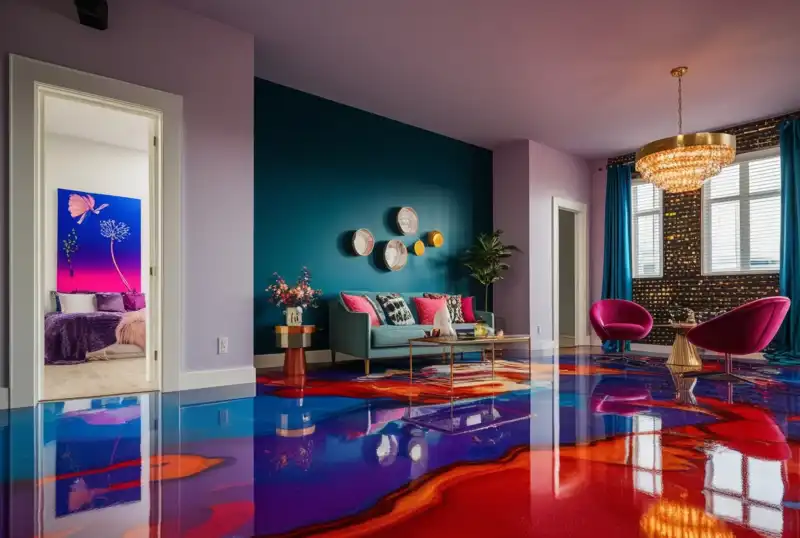
You know that feeling when you walk into your living room and think, “Something’s off”? Maybe the couch is fine and the layout works, but the whole space just feels… blah. Before you start googling interior designers or pricing out paint jobs, I’ve got news that’ll save you both money and sanity: you probably don’t need any of that.
What you need are a few smart color choices in the right places. We’re talking pillows, throws, maybe some art—stuff you can swap out when you get bored or when the next big trend hits. No commitment, no mess, no asking your landlord for permission.
Here’s what’s actually working right now in homes that look pulled together without trying too hard.
Terracotta Is Having a Moment (And It’s Not Going Anywhere)
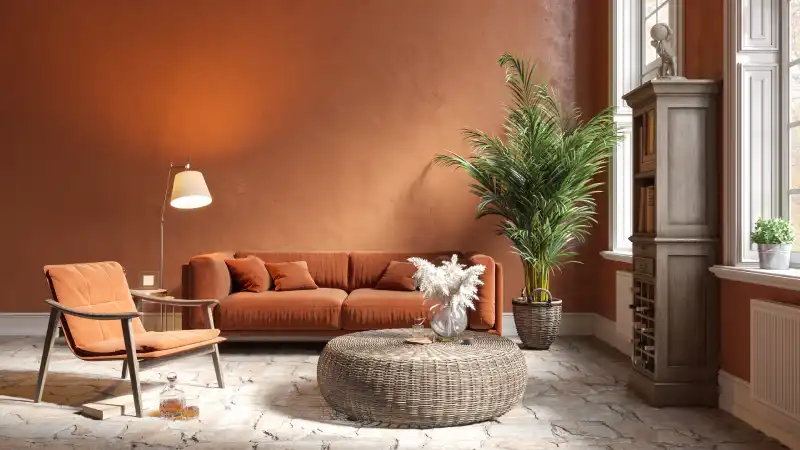
Remember when everyone went crazy for that millennial pink? Terracotta is kind of like that, except it won’t make you cringe in two years. These earthy, clay-inspired shades—think burnt orange, rust, the color of flower pots—they just work.
What I love about terracotta is it makes a room feel warmer instantly. Not “I need to adjust the thermostat” warm, but “cozy-warm.” Inviting and warm. It’s been showing up in fancy Mediterranean homes for literally centuries, so you know it’s got staying power.
Where to start: Grab a couple throw pillows in rust or burnt orange. Seriously, that’s it. Or if you’re feeling slightly more adventurous, get a clay-colored vase for your coffee table. I’ve seen people drape a terracotta blanket over the back of their reading chair, and suddenly the whole corner of the room looks intentional. If you want to go bigger, terracotta napkins or a table runner can completely change how your dining area feels.
Deep Green (But Not That Sage Everyone’s Over)
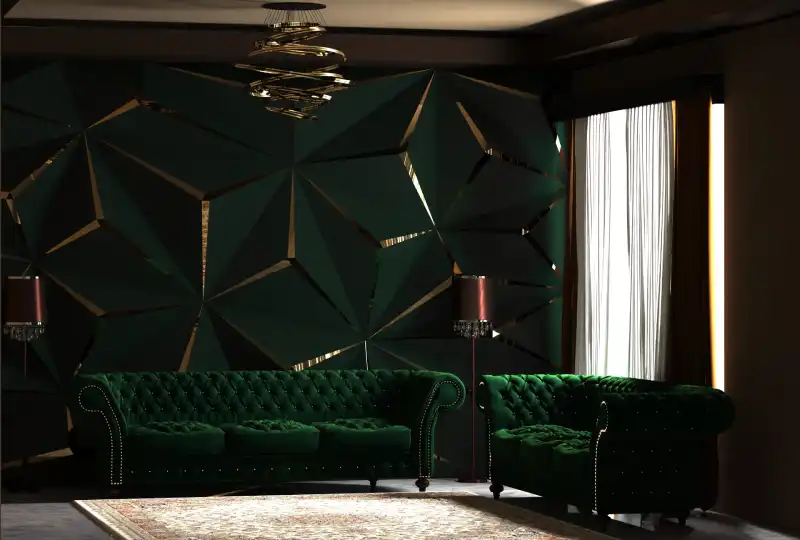
Sage green had its time. Now we’re moving into richer territory—emerald, forest green, and deep olive. The kind of green you’d see in an expensive hotel lobby or one of those English manor libraries with floor-to-ceiling books.
Here’s what’s cool about these greens: they’re energizing and calming at the same time. Sounds contradictory, right? But it works. These shades look incredible with wood furniture, and if you’ve got brass or gold anything, they make it pop.
Where to start: Velvet cushion covers in emerald green. The way they catch light is honestly kind of magical. Or try a dark green table runner if you want to test it out in your dining space. Even just putting a plant in a deep green ceramic pot counts—you’re layering shades of green, which looks way more sophisticated than buying everything in the exact same color.
Butter Yellow (Not School Bus Yellow)
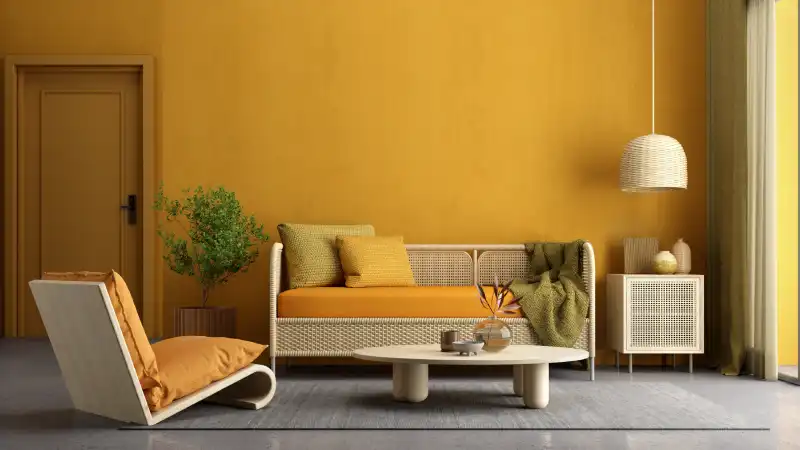
Yellow scares people, and I get it. Done wrong, it looks like you’re living inside a highlighter. But we’re not talking about that. Think creamy butter, soft gold, the color of late-afternoon sunshine coming through your window.
The color yellow actually does something to your brain—it makes you feel a little happier and a little more optimistic. Plus, if you’ve got a room that never gets enough natural light, yellow accessories can fake that sunny feeling pretty convincingly.
Where to start: A butter-yellow throw tossed on your couch. Some decorative pillows with subtle yellow patterns. Small stuff on shelves works too—candles, picture frames, even just stacking some vintage books with yellow spines on your coffee table. Yellow plays really well with navy blue and charcoal gray, so if that’s already in your space, you’re golden. Literally.
Teal (The Color That Makes Everything Look Expensive)
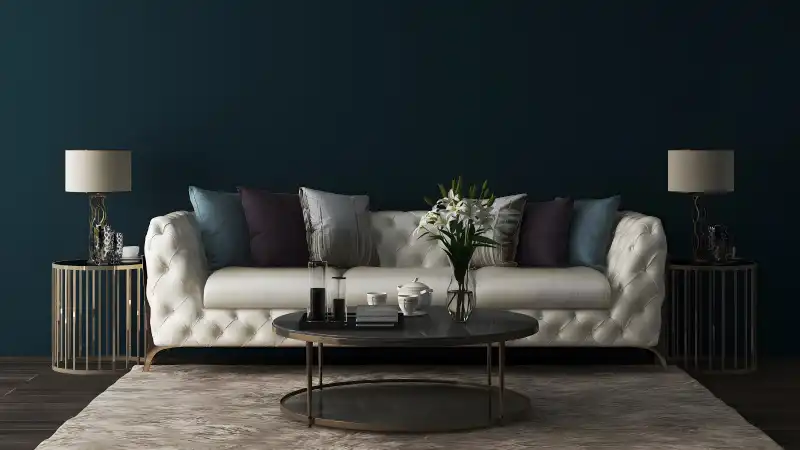
Teal sits right between blue and green, which means you get the best of both. It’s calming like blue but has that fresh quality of green. And somehow—I don’t fully understand the psychology here—it just makes spaces look more expensive than they are.
Victorian houses loved teal tiles. Vintage pottery collectors hunt for teal pieces. There’s something about it that feels both classic and current.
Where to start: Teal throw pillows on a beige or gray sofa create instant contrast. If you’re ready to invest a bit more, teal curtains can transform a room. But honestly, even small moves work—a teal bowl on your coffee table, some ocean-themed art, a teal lamp. Try pairing it with brass or copper accents. The warm metal against the cool teal? Chef’s kiss.
Updated Neutrals (Because Beige Got an Upgrade)
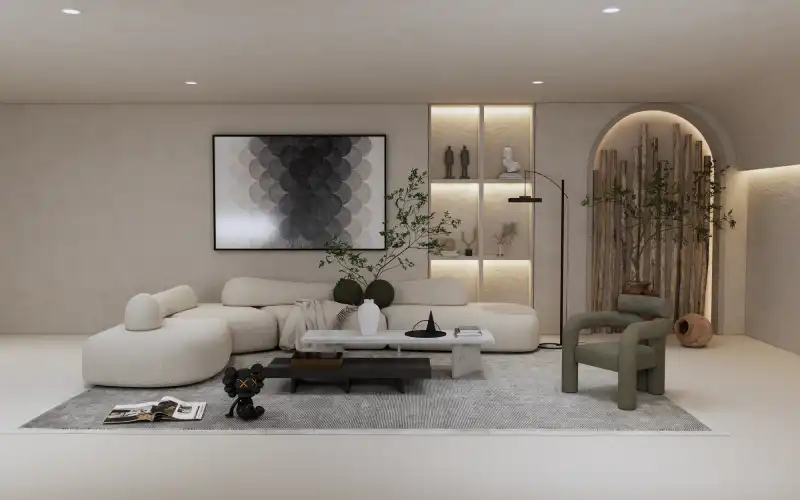
Your mom’s beige is not today’s neutral. We’re talking taupe with personality—hints of rose, mushroom tones, and that perfect gray-beige mix people call “greige.” These aren’t boring; they’ve got depth.
Modern neutrals are like the friend who gets along with everyone at the party. They work with literally any other color, they look good in any light, and they never make you regret your choices six months later.
Where to start: This is all about layering textures. A taupe linen pillow next to a cream knit throw. A mushroom-colored ceramic bowl on a greige table runner. Mix in materials like wool and linen—the texture is what makes neutrals interesting instead of flat. Woven baskets, candles, artwork with warm neutral tones—it all builds on itself.
How to Actually Do This Without Overthinking It
Look, you don’t need all five of these colors at once. That’s too much. Pick one, maybe two, that you’re actually drawn to. Not what some magazine says is trendy, but what makes you think, “Yeah, I’d like looking at that every day.”
Make one color your main thing and use another as a little accent. Maybe you go heavy on terracotta with just touches of warm taupe. Or you focus on those deep greens with pops of golden yellow here and there.
And here’s something that surprised me: texture matters as much as color. A terracotta velvet pillow feels completely different from terracotta linen, even when they’re the same shade. Mix it up. That’s what keeps your space from looking flat.
Doing This on an Actual Budget
You don’t need a credit card with a high limit for this. Thrift stores and estate sales are goldmines for this stuff. You’ll find better quality vintage pieces than half the new stuff at big box stores, and they’re already broken in.
Another trick: rotate seasonally. Keep some colors for spring and summer and swap them out for fall and winter. Your spring vibe might lean into yellows and teals, while autumn brings out the terracottas and deep greens. Store the off-season stuff in a bin somewhere.
DIY works too. Paint some thrift store frames. Dye plain cushion covers. Make your own art. It doesn’t have to be perfect—actually, the slightly imperfect handmade stuff usually looks better than mass-produced everything.
The Whole “It Doesn’t Have to Match” Thing
Real talk: matching everything exactly looks kind of cheap. Slight variations in shade? That looks expensive and collected over time. If you’re working with terracotta, embrace everything from soft peachy-coral to deep brick red.
Connect your colors through repetition, not matching. Emerald green pillows in the living room, then a small green object on your entryway table, maybe a book with a green spine visible on the coffee table. Your eye picks up the connection, and suddenly your whole place feels pulled together.
If you’re using multiple colors, try the 60-30-10 thing: 60% neutral background, 30% your main accent color, 10% your secondary accent. It’s a guideline, not a law, but it prevents things from getting chaotic.
Bottom Line
Here’s what I’ve learned: the difference between a space that feels “meh” and one that feels great isn’t usually about buying all new furniture or hiring someone to redesign everything. It’s about thoughtful little additions that bring in color and texture.
These five colors—the warm terracottas, those rich greens, the soft yellows, the sophisticated teals, and the updated neutrals—are not going to make you cringe in a year. They work. They’re flexible. And most importantly, they let you experiment without committing to anything permanent.
Start small. Buy one or two things in a color that genuinely makes you happy when you look at it. See how it changes the vibe of your room. Then build from there. Sometimes the best transformations aren’t about ripping everything out — sometimes it’s about adding the right touches to what you already have.
FAQs: How to Incorporate Trending Colours into Your Home
How can I change my room color scheme without painting?
Add a splash of color with throw pillows, blankets, rugs, curtains, artwork, and accessories. These accessories are a budget-friendly way to try out trends and switch them up when your style changes or new trends pop up on the scene.
What colors make a room appear fancy?
Emerald and teal jewel tones, as well as sophisticated earth tones such as terracotta and warm taupe, create an upscale vibe. These rich colors will bring added visual depth and perceived value, without the expense of materials or renovations.
How many different accent colors are best in a room?
Apply the 60-30-10 rule. 60% neutral base tones, 30% primary accent color, and 10% secondary accent. This keeps your space visually balanced and avoids clutter and overwhelm.
How to Test Trending Colors at Home on a Budget?
Start with throw pillows and small decorative pieces. These inexpensive objects punch above their weight visually, without much fiscal risk. Hit thrift stores and estate sales for deals on quality vintage pieces in trending shades.
Is it possible to combine terracotta with teal?
Yes. Warm terracotta and cool teal play off each other in perfect balance for dramatic contrast. Choose one as your dominant color (60-70% of accents) and use the other sparingly. Seamlessly bridge the palette with warm neutrals like taupe.
What color should I do my space, emerald green or butter yellow?
Think about the mood you want and consider the natural light in your room. Butter yellow brightens darker rooms and makes for cheerful energy; emerald green adds sophistication and calming vibes. Try out both with inexpensive accessories before investing in larger pieces.
Will these trending colors still work in a couple years?
These colors have historical staying power—terracotta, jewel tones, and quality neutrals have been design staples for decades, even centuries. Since you’re not using permanent fixtures but accessories, you can easily adjust if trends shift or your taste evolves.
Which textures go best with these color trends?
The best results come from mixing natural materials like linen, velvet, wool, and cotton. Terracotta looks great in ceramic and linen; jewel greens in velvet; yellow in soft cotton; teal in silk or wool; taupe layers nicely in any natural fiber for depth.
