

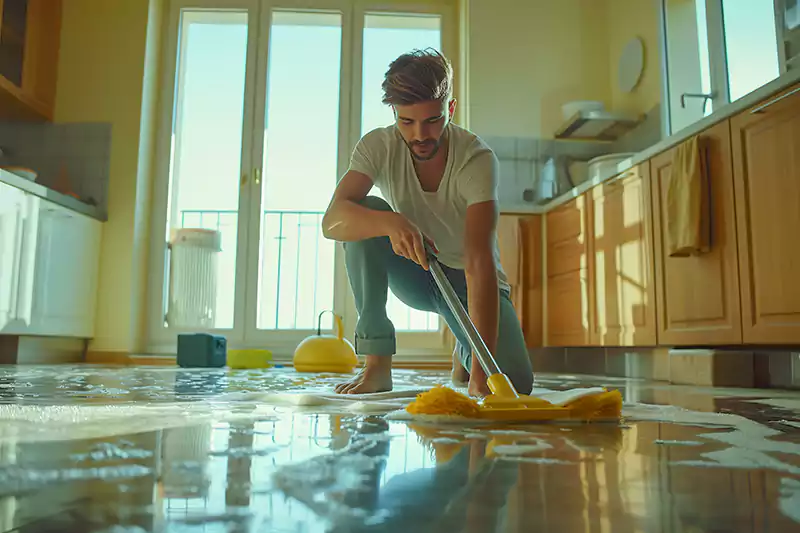
Floods and leaking water from pipes in the wall cause severe damage to your home and the furniture. Along with your house, water damage also destroys other precious items residing inside. Even your newly built home can turn into a damaged structure. You should be quick in calling water damage Macon GA, services for help.
8 Steps To Clean Your House After Floods And Water Damage
With the right steps towards restoring your house after the damage, you can minimize its effect. Some of you may immediately try to reconstruct your home after the disaster. But floodwaters are not clean and can lead to insect infestations, mold growth, and gradual decay of the wall. Therefore, cleaning your house after the destruction is essential.
Contact Your Home Insurance Provider

The first thing you can do is to call your home insurance company to assess the damage. By the time they arrive, take photos of your house to show as proof. Try cleaning the waste to reveal the loss. After they examine the condition, they would suggest the next steps to follow. Your policy provider will help you manage the cleanup and contribute to paying the repair bills.
Prevent The Water From Entering Your House

While restoring your residence, you must make sure that water stops flowing in. Cut off the main water line and soak up the remaining water with mops and old towels. You can pour down the water into the drains or lawn. Use a wet/dry vacuum to accelerate the process.
Start Drying Your Home

After getting rid of water, begin with the drying process. Keep aside your appliances, furniture, and other things to make space for cleaning. Take your cleaning tools and ensure that no area in your house remains wet. It prevents mold growth and other microorganisms from dwelling in your house. Ensure that the drying process does not affect your possessions.
Get Rid Of Damaged Items Carefully

You may be in a hurry to dispose of the waste lying in your home. But don’t panic. Do not just throw the damaged items anywhere out of sight. Stock up the trash into boxes, if available, and find a suitable place to dump them. Try to take some of them to recycling centers.
Disinfect Your House

Once you finish drying and cleaning up the waste, it’s time to start destroying the leftovers. Use a reliable disinfectant to eliminate all the bacteria from walls, furniture, carpets, and other items in your home. You can use non-toxic products as a powder to sprinkle over the affected areas.
Clean Your Furniture
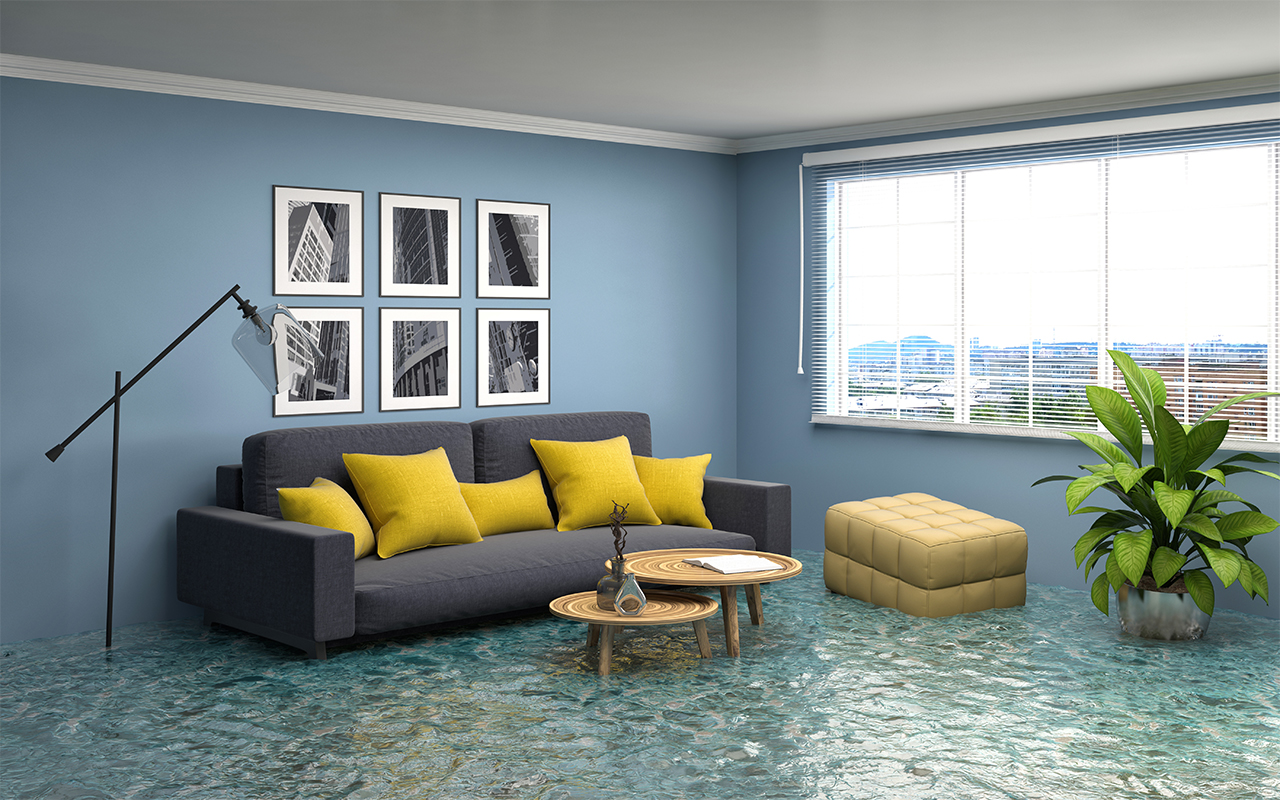
Take your furniture outside your home to clean and wash off all the mud. Remove all the parts and wipe them properly. Try to use specific cleaning products for exclusive materials. Until the furniture dries completely, do not refinish it. It may take weeks and months to dry.
Renovate Affected Areas

Often floors and carpets remain untouched from cleaning. Hardwood floors and plywood subfloors do not dry immediately. They can keep water trapped and worsen the situation. Therefore, you need to clean up these areas. Some machines serve the purpose of pulling out extra water from the flooring without even replacing it. Also, see if other household items need repair and replacement.
Check For Mold Growth
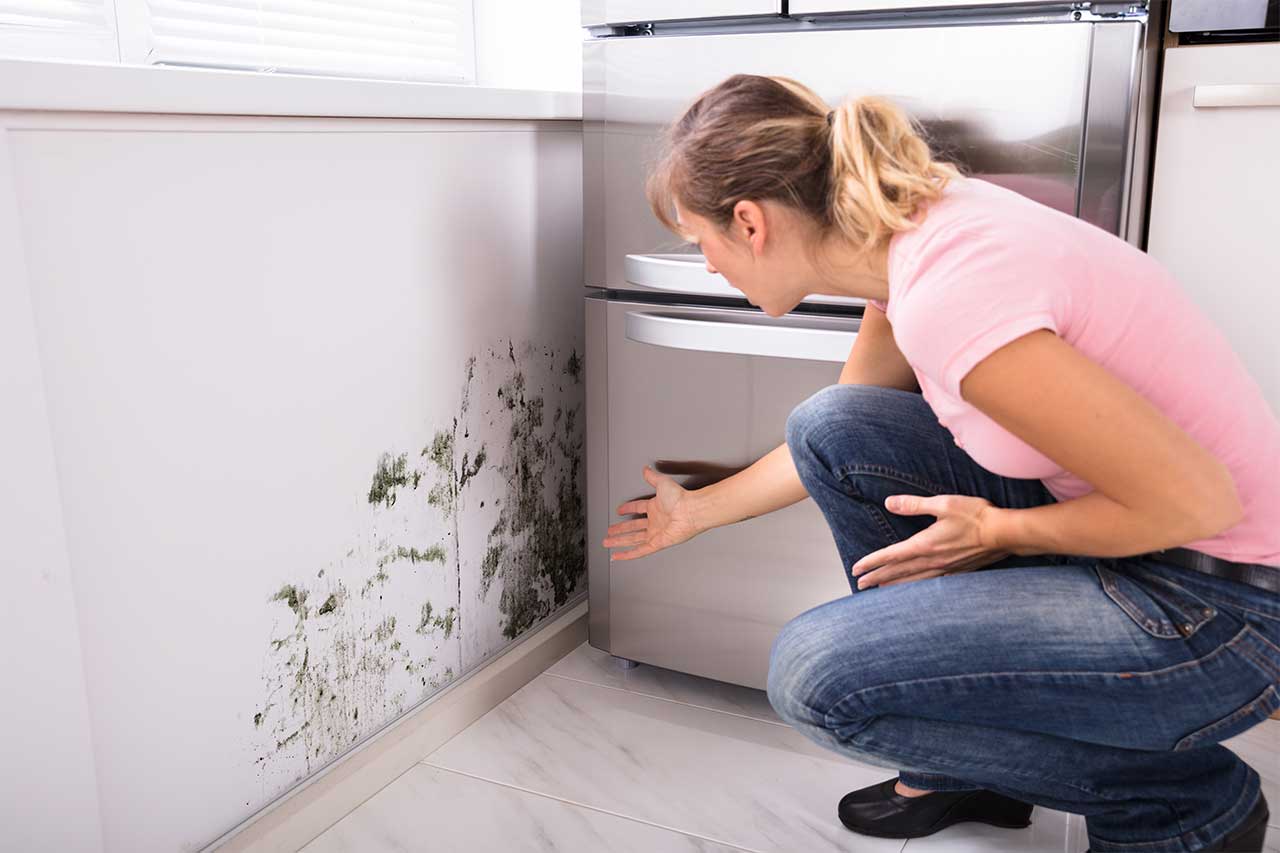
Floods and excessive water discharge can lead to mold growth in the areas with moisture. Try to remove humidity from your house as much as possible. Air conditioners befit the process. Switch on electric lights in the closets to facilitate drying. While cooking, you can use exhaust fans to dry up excessive moisture.
You may not stop the occurrence of natural phenomena, but you can deal with their loss by applying safety measures.
Frequently Asked Questions (FAQs) About Water Damage Cleanup:
What should I do immediately after water damage in my home?
Start by stopping the water source if possible. Turn off electricity in affected areas, remove excess water, and begin drying the space with fans and ventilation to prevent further damage.
How long does it take to dry out a home after water damage?
Drying typically takes 24 to 72 hours for minor damage, but severe cases can take several days or even weeks depending on humidity, airflow, and materials affected.
Can I clean water damage myself, or should I hire professionals?
You can handle minor water damage yourself using proper drying and cleaning methods. For extensive damage, contaminated water, or hidden moisture, professional restoration services are recommended.
How do I prevent mold growth after water damage?
Dry all areas quickly, ideally within 24–48 hours. Use dehumidifiers, disinfect surfaces, and ensure proper airflow to reduce moisture levels that encourage mold growth.
What are the best cleaning solutions for water-damaged surfaces?
Use mild detergent for general cleaning and a disinfectant solution such as diluted bleach for sanitizing non-porous surfaces. Always follow safety guidelines when using chemicals.
Which items should be discarded after water damage?
Porous items like carpets, insulation, mattresses, and upholstered furniture may need to be discarded if heavily soaked, especially if exposed to contaminated water.
Is it safe to stay in a house with water damage?
It depends on the severity. If there is structural damage, electrical risk, or mold growth, it’s safer to leave until the home is properly cleaned and restored.
How can I tell if water damage has affected hidden areas?
Signs include musty odors, peeling paint, warped walls, or visible mold. Moisture meters and professional inspections can help detect hidden damage.
What tools are useful for cleaning up water damage?
Common tools include wet/dry vacuums, mops, dehumidifiers, fans, and moisture meters. These help remove water, dry surfaces, and monitor humidity levels.
How much does it cost to clean and repair water damage?
Costs vary widely based on severity, from minor DIY cleanup expenses to significant restoration costs involving structural repairs and mold remediation.
