
If you’re decorating a home in Mumbai, Bangalore, or any Indian metro in 2026, these 5 modern decor ideas are built for your reality—compact city apartments, humid climates, and a design sensibility that blends global trends with Indian warmth. From terracotta accent walls that complement natural light to low-maintenance indoor plants suited to tropical homes, every suggestion is practical, locally relevant, and immediately actionable.
Your home is more than four walls; it shapes your thoughts, rest, and presence. Yet most of us live in spaces we designed years ago and never revisited. The good news? Transforming your home doesn’t require a full renovation or a designer’s budget. It starts with five surprisingly powerful ideas that are reshaping interior design right now.
Ditch The Grey — Bring Warmth Back To Your Walls
For a long time, the interior design world was obsessed with cool, muted palettes—endless shades of grey, slate, and white. But something has shifted. As people come to see their homes as genuine sanctuaries, the appetite for warmth has returned, as evidenced by the colours trending across homes today.
Think terracotta, amber, turmeric yellow, and deep rust. These aren’t just pretty colours—they carry an emotional charge. Warm hues have a documented psychological effect on mood, promoting feelings of energy, comfort, and optimism. A saffron-yellow accent wall in a living room, for instance, can change the entire emotional atmosphere of the space—especially during grey monsoon mornings.
You don’t have to repaint every room. A single bold accent wall, a terracotta-toned sofa throw, or even a cluster of orange and ochre cushions can introduce warmth without committing to a full redecoration. For something more earthy and grounded, consider aqua, warm sage, or ginger-spice tones — hues that feel alive without being overwhelming.
“Colour isn’t decoration. It’s the mood you choose to live in every single day.”
Quick Win
Start with one wall — typically the one your sofa or bed faces. Paint it in a warm terracotta or amber. Live with it for a week. You’ll be surprised how much it changes the whole room’s energy.
Light As Art: How To Make Your Fixtures The Star Of The Room
Lighting is the most underestimated design tool in the home. Most people treat it as an afterthought — a bulb that works is adequate. But lighting does something no other element can: it sculpts the atmosphere of a room at the flick of a switch.
The shift happening in modern homes is treating light fixtures not merely as functional objects but as sculptural focal points. A dramatic brass chandelier in a dining room, an oversized paper lantern hung low above a reading nook, and a pair of asymmetric wall sconces flanking a bed—these choices command attention and give a room a personality that furniture alone cannot achieve.
You don’t need to go maximalist either. A single, well-chosen pendant light over a kitchen island — something with an unusual silhouette or a warm-toned shade — can elevate the entire space. As a general guideline, choose one room each season to enhance the lighting. Your eye will catch the transformation immediately.
Also worth considering is layered lighting — combining overhead fixtures with floor lamps and table lamps to create a space that can shift from bright and productive to warm and intimate depending on the occasion.
Warm Tone Bulbs: Switch from cool white to 2700K warm bulbs for an instant cosiness upgrade.
Statement Pendants: A single oversized pendant over a dining table is the easiest dramatic upgrade you can make.
Floor Lamps as Sculpture: Arched or angular floor lamps add visual height and create intimate reading zones.
Strip Lighting: Under-shelf or behind-TV LED strips create depth and ambience with no effort.
Furniture That Works As Hard As You Do
The way we use our homes has fundamentally changed. With hybrid work now the norm for millions of people, the living room is also the meeting room. The spare bedroom doubles as a home studio. The dining table moonlights as a homework desk. Furniture needs to keep up.
The most exciting design trend in this space is the rise of genuinely smart, multi-functional furniture – not the clunky, compromise-filled pieces of the past, but beautifully designed objects that serve two or three purposes without looking like they’re trying to. A coffee table with hidden storage and a lift-top that converts to a work surface. A TV console with a fold-out desk concealed in one panel. Modular sofas that rearrange easily for both lounging and hosting.
What makes this design truly exciting is that functional doesn’t mean clinical or boring. Some of the most distinctive furniture available today – pieces with rustic reclaimed wood or bold powder-coated steel frames —is also the most versatile. Comfort has moved to the centre of the design brief, which means investing in a quality recliner or a deep, cushioned loveseat is no longer indulgent – it’s just smart.
If you’re carving out a home workspace, resist the urge to buy a generic office desk. Look for a piece with warmth – a solid wood writing table, a vintage bureau, or a wall-mounted fold-down desk that disappears after hours. Your productivity and your sense of home will both improve for it.
Design Tip
Before buying new furniture, identify the one activity your current setup handles poorly. Design around that gap first. Often one smart piece – a storage ottoman or a slim console table – solves 80% of the problem.
Bring The Outside In: The Case For A Greener Home
There’s a reason plant parenthood has become one of the defining lifestyle trends of this decade. When people found themselves spending more time indoors, many felt the absence of nature acutely and instinctively moved to correct it. The result has been a widespread and sustained shift towards greenery in interior design.
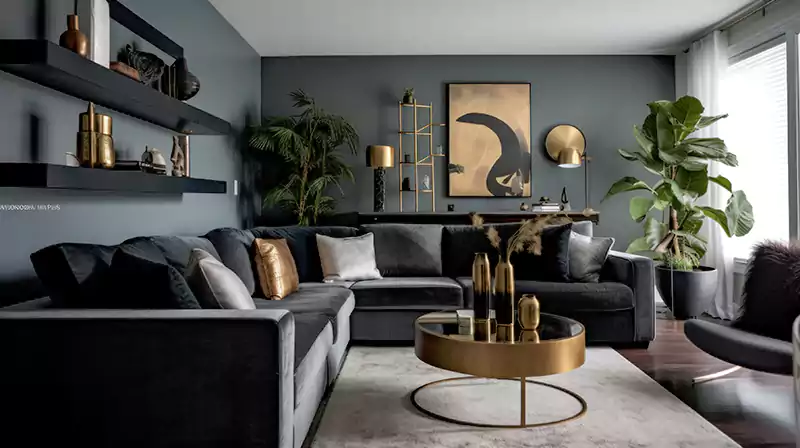
But the trend goes well beyond a succulent on a windowsill. Thoughtfully integrated plants can define zones within open-plan spaces, add scale and sculptural interest to bare corners, and create a genuine sense of calm that no piece of furniture can replicate. A tall fiddle-leaf fig beside a sofa, a trailing pothos on a shelf above the kitchen counters, a cluster of low terrariums on a dining table – these choices actively change how a space feels to inhabit.
The science is not just anecdotal. Research consistently links exposure to greenery—even indirectly or artificially—with reduced stress, improved focus, and better sleep. For homes in urban environments like Mumbai, where outdoor green space can be limited, this aspect matters enormously.
For those without green thumbs, the range of low-maintenance options is now extraordinary—snake plants, ZZ plants, and pothos thrive on neglect. And if live plants genuinely aren’t an option, botanical wallpapers, green linen textiles, and nature-themed art all engage the same psychological pathways without requiring watering.
“A single living plant in a room says more about a home than a thousand carefully chosen accessories.”
Old Souls, New Stories: The Art Of Vintage Decor
In a world increasingly saturated with mass-produced objects that are identical from one home to the next, the appeal of vintage and repurposed pieces is obvious: they are irreplaceable. A grandfather’s carved wooden writing bureau, a brass lamp salvaged from a flea market, a cracked ceramic bowl from a grandmother’s kitchen – these objects carry a weight that flat-pack furniture never can.
In the past, “vintage” meant “old and dusty” or “not matching”. Designers and homeowners have discovered that the trick is contrast – a weathered wooden dining table surrounded by sleek modern chairs, or a mid-century armchair positioned alongside contemporary art. The old piece becomes the anchor that makes everything around it look more considered and intentional.
Repurposing takes the concept further. An old ladder becomes a bathroom towel rack. A vintage suitcase stacked with books becomes a side table. A worn dhurrie rug, folded and draped over a sofa, becomes a textural focal point. The investment here is creative energy rather than money, and the result is a home that feels genuinely curated rather than purchased.
If you’re starting out, antique markets, estate sales, and even family storerooms are rich sources. Approach them with an open mind rather than a shopping list – the best vintage finds are usually unexpected.
Try This
Walk through your home and identify one piece that has history but has been hidden away or forgotten. Bring it out, clean it up, and place it somewhere visible. Notice the conversation it starts with.
The Home You Deserve Starts Now
Good home decor isn’t about trends – it’s about intention. Each of these five ideas shares a common thread: they ask you to be deliberate about the space you inhabit. Whether that means choosing a colour that genuinely lifts your spirit or dusting off a piece of furniture with a story behind it, the act of caring about your surroundings is transformative.
You don’t need to overhaul everything at once. Pick one idea – the one that resonates most – and start there. Change one wall, bring in one plant, and find one piece of meaningful vintage. Small, considered changes compound over time into a home that feels unmistakably, comfortably yours.
Your living space is always becoming something. The question is whether you’re shaping it – or just letting it happen.
Frequently Asked Questions About Modern Home Decor
What are the best modern home decor ideas for small apartments in India?
For compact urban homes, the smartest approach combines multifunction furniture with a warm, cohesive colour palette. Opt for wall-mounted storage, fold-down desks, and modular sofas that rearrange easily. A single terracotta accent wall and a few well-placed indoor plants can make a small space feel both larger and more inviting — without a complete renovation.
How can I use colours to modernise my home decor in 2026?
Warm tones are leading interior design in 2026. Shades like terracotta, amber, saffron yellow, and warm sage are replacing the cool greys that dominated the previous decade. You don’t need to repaint every wall—start with one accent wall or introduce warm colours through cushions, throws, or a statement rug. These changes have a measurable effect on mood and make a home feel more personal and alive.
What type of indoor plants work best for home decor in Indian homes?
Low-maintenance tropical plants are ideal for Indian climates, especially in cities like Mumbai, Bangalore, and Chennai. Snake plants, pothos, ZZ plants, and peace lilies thrive in humid conditions and indirect light. A large fiddle-leaf fig beside a sofa adds sculptural drama, while a trailing pothos on a kitchen shelf softens the space naturally. These plants also improve air quality, making them both decorative and functional.
How does statement lighting improve modern home interiors?
Lighting is the fastest way to change a room’s character. Replacing a standard overhead bulb with a pendant light, chandelier, or sculptural floor lamp instantly shifts the atmosphere from functional to designed. For maximum impact, switch to 2700K warm-white bulbs and layer your lighting with a floor lamp and table lamp in addition to overhead fixtures. This layered approach lets you control the mood — bright for productivity, warm and low for evenings.
Is vintage furniture still a relevant modern home decor trend?
Absolutely — and it’s stronger than ever. Vintage and repurposed pieces bring something mass-produced furniture cannot: individuality and story. The key to making vintage work in a modern home is contrast. Pair a weathered wooden dining table with sleek contemporary chairs, or place a mid-century armchair against a clean, minimalist wall. The old piece becomes the anchor that makes the whole room feel curated rather than assembled.
What is biophilic interior design, and how can I try it at home?
Biophilic design is the practice of incorporating natural elements—plants, wood, stone, water, and natural light—into interior spaces to support wellbeing. Research shows it reduces stress, improves focus, and promotes better sleep. You can begin by incorporating a few potted plants, replacing synthetic materials with natural textures such as jute or linen, introducing a wooden element, and maximising natural light by keeping window areas uncluttered. Even botanical wallpapers and nature-inspired art activate similar psychological benefits.
How do I choose functional furniture for a work-from-home setup at home?
The best home office furniture blends into your living space rather than dominating it. Look for a solid wood writing table or a wall-mounted fold-down desk that can be closed after hours. Pair it with an ergonomic but aesthetically pleasing chair. If space is tight, a TV unit with an integrated fold-out desk or a console table used as a standing desk are excellent options. The goal is a workspace that doesn’t feel like an office when you’re not working.