
Fire damage restoration in North Atlanta follows eight stages: emergency response, damage inspection, property securing, water removal, smoke and soot removal, cleaning and sanitizing, odor elimination, and full reconstruction. Each phase must be completed in order—skipping or rushing any step leads to hidden long-term damage, lingering odors, or mold growth.
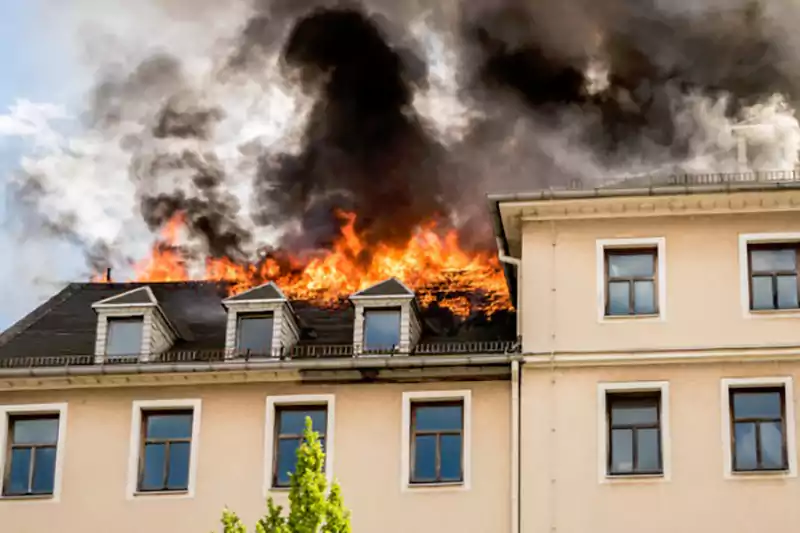
Nobody expects to go through a house fire. And when it happens, most people have no idea what the recovery actually looks like. There’s this assumption that it’s mostly about cleaning up the charred bits and slapping on some fresh paint—but that’s not really how it works. The process is far more layered than that, and for good reason. Smoke travels farther than you’d think. Water from firefighting soaks into places you can’t see. And some of the most serious damage isn’t visible at all until someone who knows what to look for actually finds it.
Here’s a plain-language look at every stage of fire damage restoration in North Atlanta—what happens, why it matters, and roughly what to expect along the way.
Emergency Contact And Rapid Response
Your first call sets everything in motion. That might sound obvious, but in North Atlanta, the timing really does matter. Between the humidity and the summer heat, damage that might stay manageable elsewhere can spiral quickly here—especially once you factor in all the water that firefighters had to use to knock down the flames.
Good restoration companies answer the phone around the clock. When you reach them, they’ll ask a few quick questions—how big was the fire, which rooms were hit, and can anyone safely enter the property? From there, a team usually dispatches it on the same day, sometimes within just a couple of hours.
Inspection And Damage Assessment
Once the crew arrives, the first thing they do is obtain a proper read on what they’re actually dealing with. This isn’t a quick walk-through—it’s a thorough evaluation that covers fire damage, smoke migration, and water saturation all at once.
They’re looking at things like:
- Which areas were directly burned
- Where smoke and soot traveled (often far beyond the fire source)
- The extent of water saturation from firefighting efforts
- Structural integrity concerns
Everything that comes after depends on getting this part right. Once the assessment is wrapped up, you’ll receive a full scope of work and an estimate so you know exactly what’s planned before anyone starts tearing into walls.
Securing The Property
Before a single cleaning tool comes out, the home has to be made safe and secure. A fire can leave a property wide open—with broken windows, holes in the roof, and walls that took structural damage. You can’t just leave things that way.
So before anything else, the crew will:
- Board up openings
- Tarp damaged roofs
- Reinforce unsafe sections if needed
It’s not glamorous work, but it’s essential. Without it, rain, wildlife, or even opportunistic theft could turn a dire situation into something much worse while restoration is still underway.
Water Removal And Drying
Here’s something that confuses many homeowners: water damage is often just as destructive as the fire itself, sometimes more so. Firefighters pour a tremendous amount of water onto a burning structure. Once the fire’s out, that water doesn’t just disappear—it soaks into floors, seeps behind walls, and sits in places you’d never think to check. Give it enough time, and you’re adding mold and rot to an already long list of problems.
To get ahead of it, crews bring in heavy-duty equipment—industrial pumps, high-powered air movers, and commercial dehumidifiers—and use them to
- Extract standing water
- Dry out walls, floors, and hidden cavities
- Prevent secondary damage
North Atlanta’s climate makes this step more involved than it might be in a drier part of the country. The heat and humidity here mean moisture hangs around—it doesn’t just air out on its own. Crews have to be deliberate about it.
Smoke And Soot Removal
Many people think smoke damage means some discoloration on the walls. It’s actually much more than that. Smoke follows air currents and finds its way into drywall, insulation, and wood framing—rooms that were nowhere near the fire can still have significant smoke infiltration. And soot isn’t just one thing; its makeup depends on what burned. It might be oily, acidic, powdery, or some combination, and each type requires its removal method.
Trained technicians know how to read the situation and choose the right approach. The toolkit usually includes:
- HEPA vacuums for loose soot
- Chemical sponges for delicate surfaces
- Specialized cleaning agents for tougher residues
This is genuinely slow, careful work. There’s no shortcut that doesn’t come back to haunt you—rush it, and you’re looking at embedded odors and hidden corrosion for years down the road.
Cleaning And Sanitizing
Once the crew deals with the soot, it turns its attention to salvaging everything that can reasonably be saved. That means furniture, clothing, personal items, documents, appliances—and structural elements like cabinets and trim. Not everything will make it, but a surprising amount can be restored if it’s handled properly.
Items are handled one of two ways:
- Cleaned on-site, or
- Packed out and taken to a specialized facility for restoration
Air quality is part of this phase too. Scrubbers and fogging equipment run continuously to pull contaminants out of the air—because breathing in a fire-damaged space isn’t safe, even after the visible mess is gone.
Odor Removal
Ask anyone who’s lived through a fire, and they’ll tell you: the smell is one of the hardest things to shake. Smoke odor doesn’t just sit on surfaces—it works its way into porous materials and can stick around for months if it’s not properly treated. Fresh paint won’t fix it. Airing out the house won’t fix it either.
Getting rid of it requires going after the odor molecules themselves, not just masking them. Professionals typically use a combination of:
- Thermal fogging to penetrate materials
- Ozone or hydroxyl generators to neutralize odor molecules
- Sealing agents for surfaces that can’t be fully cleaned
When this is handled well, you notice it the moment you walk back in. The house doesn’t just look like it’s been restored—it smells like home again.
Repairs And Reconstruction
Now comes the part most homeowners are most eager to get to—actually putting the house back together. The scale of the work varies a lot depending on the fire. Occasionally it’s a matter of replacing drywall in one room and repainting. Other times it’s a much bigger undertaking that involves rebuilding entire sections of the home.
Common work includes:
- Replacing drywall and insulation
- Installing new flooring
- Repainting walls and ceilings
- Rebuilding damaged structural areas
Some restoration companies handle all of these tasks in-house; others bring in trusted contractors for specific trades. Either approach works—what matters is that the finished product brings your home back to where it was or, ideally, better.
Working With Insurance
Dealing with your insurance company is woven into the entire restoration process, not just tacked on at the end. The good news is that most experienced restoration companies in North Atlanta know this terrain well. They’ve worked with adjusters before and understand what insurers need to see in order to approve a claim.
In practice, they’ll handle things like the following:
- Provide detailed reports and photos
- Communicate with adjusters
- Help streamline approvals
If you’ve ever tried navigating an insurance claim on your own while also managing a major home crisis, you know how draining it can be. Having the restoration company handle the back-and-forth takes a real weight off.
What Makes The Process Different In North Atlanta
It’s worth noting that location shapes how most people understand restoration. North Atlanta homes tend to be a mix of older wood-frame construction and more modern builds, and those materials don’t react the same way to fire or moisture. Add in the region’s reliably high humidity, and you’ve got a drying environment that demands more precision and patience than you’d need in, say, a drier climate.
That local knowledge is difficult to replicate. It’s a big part of why working with a team that specializes in fire restoration in North Atlanta pays off—they’ve seen how local conditions affect the work, and they plan for it from day one.
Final Thoughts
Restoration isn’t just about fixing physical damage. It’s about getting your life back to something that feels normal again—and that takes time, the right people, and a process that doesn’t skip steps. When each stage is handled properly, the end result isn’t just a house that looks repaired. It’s a home you actually want to be in.
And if you’re ever in this situation—hopefully you’re not, but just in case—knowing what’s ahead of you makes it a little easier to get through. You’ll know what to ask, what to expect, and what warning signs to look for.
Frequently Asked Questions About Fire Damage Restoration in North Atlanta
How long does fire damage restoration typically take?
It really depends on the extent of the damage. A contained kitchen fire might take a week or two to restore properly. A larger fire that spreads through multiple rooms—or affects the structure of the home—can take several months. Your restoration company should give you a realistic timeline after the initial inspection, not before.
Can I stay in my home during the restoration process?
In most cases, no—at least not initially. Smoke residue, airborne particles, and structural instability can make the home unsafe to occupy. Some homeowners are able to return to undamaged sections of a larger property during the process, but that’s something to discuss with the restoration team after the initial assessment. Most insurance policies also cover temporary housing costs, so check your policy.
Will my homeowner’s insurance cover fire damage restoration?
Standard homeowner’s insurance policies typically cover fire damage, including restoration costs—but coverage varies depending on your specific policy, deductible, and the cause of the fire. Contact your insurer as soon as possible after the incident, and keep a record of everything. A restoration company that’s experienced in insurance claims can help document the damage in a way that supports your case.
What should I do immediately after a house fire?
First, make sure everyone is safe and accounted for. Then call your insurance company to report the incident. Don’t re-enter the property until authorities or the restoration crew confirms it’s structurally safe. Try to avoid disturbing the damage—moving or cleaning things yourself before the assessment can complicate your insurance claim. Call a restoration company as soon as you can; the faster they respond, the better your outcome is likely to be.
Is it really possible to save smoke-damaged belongings?
Often, yes—more than people expect. Furniture, clothing, electronics, documents, and personal keepsakes can frequently be restored using professional cleaning and deodorization techniques. Items with heavy char damage or those soaked for too long are harder to save, but don’t assume anything is a total loss until a professional takes a look. It’s worth asking about pack-out services, where belongings are carefully transported to a facility for specialized treatment.
How do restoration companies get rid of smoke smell permanently?
The key is treating the odor molecules themselves rather than masking the smell. Professionals use thermal fogging machines to push deodorizing agents deep into porous materials, ozone or hydroxyl generators to chemically neutralize odor at the molecular level, and sealing agents to lock in any residual odor on surfaces that can’t be fully cleaned. When all three are applied properly, the smell is genuinely gone—not covered up.
Why is water damage such a big concern after a fire?
Firefighting requires a tremendous volume of water, and it doesn’t just drain away when the hoses are turned off. It soaks into floors, collects inside walls, and saturates insulation—sometimes in rooms that had no fire damage at all. Left untreated, that moisture becomes a breeding ground for mold within 24 to 48 hours. In North Atlanta’s climate, you need to remove water quickly and thoroughly.
How do I choose the best company for fire damage restoration in North Atlanta?
Seek a company with local experience, proper licensing, and a clear process they can walk you through before signing anything. Ask whether they handle insurance coordination in-house, how quickly they can respond, and whether they offer a written scope of work after the initial assessment. Reviews from local homeowners are worth reading, but don’t rely solely on online ratings—ask for references if you have the time.
Is it safe to enter a fire-damaged home to retrieve belongings?
Not without clearance. Even if the fire appears to be contained to one area, the rest of the home can have compromised air quality, unstable structural elements, or electrical hazards. Always wait for the fire department or restoration professionals to confirm the property is safe before entering. If you do go in to retrieve essentials, wear a mask rated for fine particles, limit your time inside, and don’t touch anything unnecessarily.
What happens if I try to clean fire damage myself instead of hiring professionals?
It usually makes things worse. Wiping soot with a regular cloth, for example, can grind it deeper into surfaces rather than removing it. DIY attempts can also disturb the damage documentation that your insurance adjuster needs, which may delay or reduce your claim payout. Beyond the practical risks, fire-damaged spaces contain health hazards—from toxic soot particles to compromised air quality—that require proper protective equipment to work around safely. Professional restoration isn’t just about convenience; it’s genuinely the safer and smarter path.