

HVAC issues that commonly affect a home inspection include aging equipment (15–20+ years old), poor airflow from blocked ducts or clogged filters, signs of deferred maintenance, air conditioning malfunctions, thermostat failures, and electrical or venting safety concerns. Addressing these before listing can prevent renegotiation, repair demands, or delays in closing.
Here’s what most people do when they’re buying or selling a home: they obsess over the kitchen, stress about the roof, and maybe repaint the front door. All of that makes sense. Those are the things you walk past every day. What they don’t always think about — until it’s too late — is the HVAC system.
Home inspectors think about it plenty, though. The heating, ventilation, and air conditioning setup in a house tells them a lot: how well the property was looked after, what kind of energy bills the next owner is walking into, and whether there’s a costly repair sitting just around the corner. If problems are found during the inspection, it can lead to renegotiation, repair demands, or delays that no one wanted.
Aging HVAC Equipment
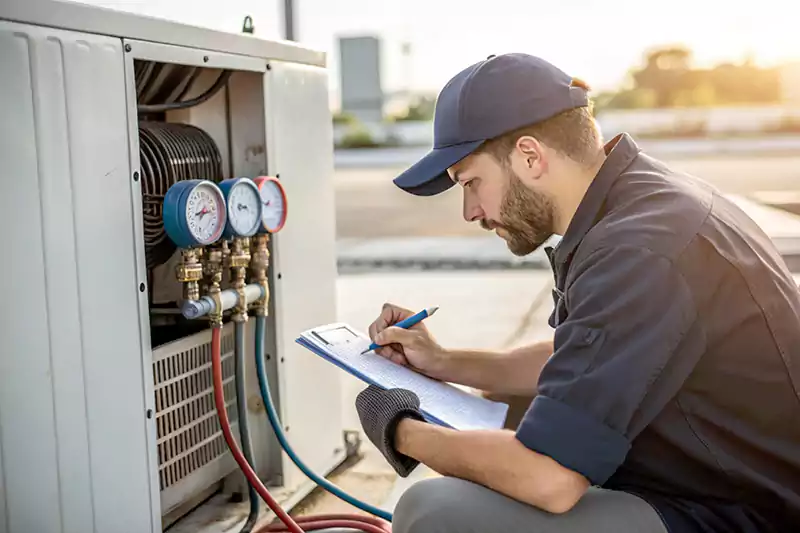
An inspector’s first question is usually a simple one: how old is this thing? A unit that’s still technically running at 18 years old isn’t exactly reassuring. Furnaces and air conditioners in that range are nearing the end of their useful life — they’re less efficient than what’s on the market now, and the odds of a breakdown increase every year they stay in service.
Buyers do the math pretty quickly. An old system means future expenses, and that cost is reflected in their offer.
Poor Airflow Throughout the Home

You know that one room in a house that’s always freezing in winter and stuffy in summer, right? That’s not just a quirk — it’s usually a sign something is wrong. Weak or uneven airflow gets flagged during inspections because the causes are rarely minor: ductwork problems, a filter that hasn’t been touched in years, a blower that’s struggling, or general wear throughout the system.
When airflow is off, it also hints that the system is overworking itself to compensate. Inspectors note it, buyers read it, and suddenly everyone wants a second opinion from an HVAC technician.
Signs of Deferred Maintenance

Skipping routine maintenance is one of those things that feels harmless until it isn’t. And the evidence has a way of piling up. An inspector walking through a home can spot neglect pretty fast — and so can a buyer standing right next to them.
The usual giveaways:
- Filters that are clearly overdue for a change
- Dust caked around vents and registers
- Rust or corrosion on system components
- Junk piled around the outdoor condenser unit
- Zero service records — no paperwork, no history
Each one of those is a question mark in a buyer’s mind. Stack a few together and it starts to look like the whole property was treated the same way.
Air Conditioning Problems

Inspectors don’t just glance at the AC — they run it. A unit that can’t hold the set temperature, that’s cycling on and off like it can’t make up its mind, or that’s making sounds it shouldn’t be, is going straight into the report. Refrigerant leaks, worn parts, electrical faults — these aren’t cheap fixes, and buyers treat them accordingly.
Sellers are much better off handling these issues before the inspection rather than scrambling after. Getting a proper air conditioning repair done ahead of time removes one of the biggest negotiating chips a buyer can pick up.
Thermostat and Control Issues
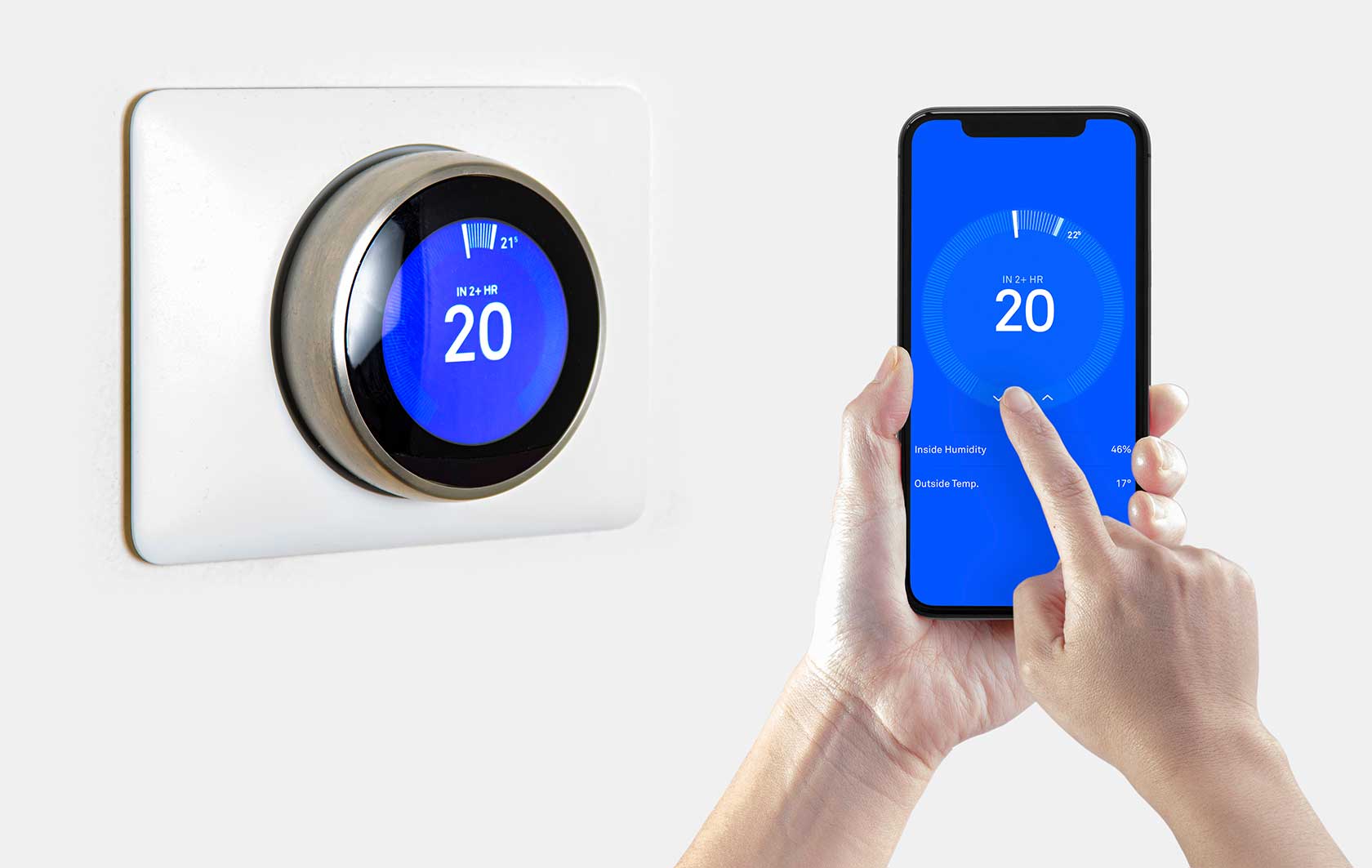
A misbehaving thermostat—one that misreads temperatures, fails to trigger the system properly, or acts erratically—can make the whole HVAC setup look worse than it actually is during an inspection. The somewhat better news: thermostat problems are usually the easiest thing on this list to fix. Swapping one out is nothing compared to the cost and hassle of replacing a compressor or redoing ductwork.
Electrical and Safety Concerns

There’s a lot more going on inside an HVAC system than hot and cold air. Electrical connections, safety switches, exhaust venting — all of it needs to be in working order. When it’s not, inspectors flag it immediately, and rightly so. Exposed wiring or a blocked flue isn’t just a performance issue; it’s a liability. These findings can genuinely complicate a sale, and more importantly, they can hurt someone if you leave them unaddressed.
Final Thoughts
HVAC problems don’t just complicate inspections — they hand buyers a reason to push back on price, ask for concessions, or walk away entirely. Aging equipment, neglected maintenance, cooling failures, airflow problems, and safety issues all land in the report and become part of the conversation.
Getting the HVAC system into solid shape before a listing goes live is one of the more straightforward things a seller can do. This signals to buyers that the home has been well cared for. And frankly, for a system that affects daily comfort and monthly energy bills, it’s what buyers expect anyway.
FAQs: HVAC Issues That Can Affect a Home Inspection
What HVAC problems are most commonly flagged during a home inspection?
The most frequently flagged HVAC issues include aging equipment nearing the end of its lifespan, poor airflow from clogged filters or damaged ductwork, visible signs of deferred maintenance, underperforming air conditioning units, and electrical or venting safety concerns. Inspectors document all of these, and buyers typically use them as negotiating points.
How does the age of an HVAC system affect a home sale?
Buyers often see a furnace or air conditioner that is 15 to 20 years old as a near-term replacement cost. The unit may still be working, but older HVAC equipment can decrease the confidence of buyers and provide them with leverage to negotiate a lower price or request a credit at closing.
Should I get my HVAC serviced before listing my home for sale?
Yes. Having your HVAC system professionally serviced before listing is one of the smartest steps a seller can take. It addresses potential red flags before the inspector finds them, demonstrates that the home has been well maintained, and reduces the likelihood of repair requests or price reductions after inspection.
Can poor HVAC airflow cause a home inspection to fail?
Home inspections do not technically result in a pass or fail, but poor airflow is consistently noted in inspection reports. Weak or uneven airflow can signal ductwork problems, a failing blower motor, or chronic filter neglect—all of which prompt buyers to request further evaluation by an HVAC technician.
What counts as deferred HVAC maintenance during an inspection?
Basically, it’s everything that should have been done regularly but wasn’t. Inspectors can usually spot it pretty quickly — a filter that clearly hasn’t been changed in months, dust caked around the vents, rust on system components, junk piled around the outdoor unit, or no service records whatsoever. Any one of these raises an eyebrow. When several of these issues show up, buyers start to wonder what else they might have missed.