

How Does A Water Softener Remove Minerals From Hard Water?
Water softeners use ion exchange technology—positively charged calcium and magnesium minerals in hard water are attracted to negatively charged resin beads inside the mineral tank, which release sodium ions in exchange. The result is soft, mineral-free water. The system has three components: mineral tank (removes minerals), control valve (monitors flow and triggers regeneration), and brine tank (restores resin beads with salt solution). Regular salt refills every 6-8 weeks keep the system functioning.
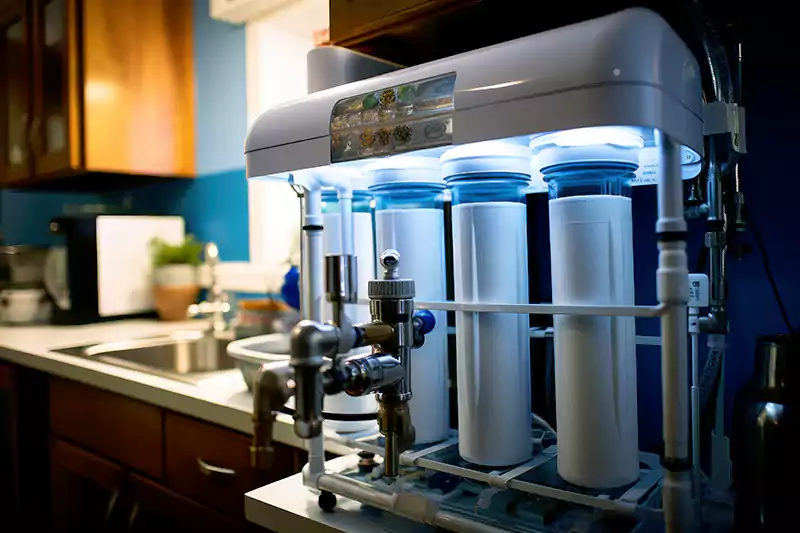
Water is an essential element of life that no living creature can survive without. Even for humans, it’s responsible for keeping us hydrated and cool throughout the day. Scientifically, water isn’t composed of just water. Many dissolved minerals come along in a glass of water. For instance, each water serving may contain from 1 to more than 120 milligrams per liter of magnesium.
Though the minerals found in water are usually harmless and beneficial to your health, having mineral-dense water running through your pipe fixtures can sometimes be more bothersome than advantageous. Hard water can eventually accumulate in your plumbing system. A company that provides a water softener Woodbury MN is a prime witness to how much money people spend on repairing their plumbing system because of the mineral buildup. To resolve this problem, homeowners are encouraged to install water softeners in their new home.
Many types of water softeners can help your home become a better place to live in. Some water softener providers focus more on improving the physical aspect of your health. In contrast, the others veer towards providing you with water that leaves no traces of minerals that can contaminate your appliances.
But which type of water softener do you need? Read on to find out.
Salt-Free Water Softener
Installing a salt-free water softener in your home is useful for people who wish to limit their sodium intake. A salt-free water softener is not only easy to find; its function as a chemical-free water-softening system also makes it a favorable choice for those who wish to live a greener lifestyle.
A salt-free water softener can also help provide you better-quality water for showering. The lack of sodium in water has a less drying effect on your skin and will not weigh your hair down as much. Your appliances may also degrade at a slower pace because rust will take longer to form if salt isn’t present in the water you use to clean. Moreover, its simple but highly effective water filtration system makes it a cost-effective investment.
Reverse Osmosis Water Softener

Even though water softeners are relatively new to the market, many people are installing one in their home because of the numerous health benefits that it offers. A reverse osmosis water softener works by forcing the water through the filtration system and removing the unwanted minerals often present in tap water. These include minerals with minimal nutritional value or that are too solid to consume.
According to Medicine Plus, people who suffer from diseases like cancer or illnesses that compromise your immune system should only drink water that has undergone purification. Without the assurance that the tap water you drink is free of contaminants, you put yourself at risk of further infection. Thus, if you’re focused on having purified water for drinking, reverse osmosis water filters are the best option for you.
Ion Exchange Water Softener

How an ion exchange water softener works is straightforward to understand. It works by removing the unwanted minerals of water and exchanging them with ions. Homeowners who wish to preserve their new house’s plumbing fixtures and appliances can install this type of water filter in their home.
An ion exchange system prevents hard water buildup on faucets and other items that require regular cleaning. It also helps you save money by reducing your daily soap consumption. Because of the lack of mineral accumulation on your appliances and kitchenware, these objects become easier to clean.
Furthermore, if you’re using a water softener to filter your water for laundry, your clothes can appear more vibrant. Minerals can get trapped in between the fabrics of your clothes. Your clothing will appear less dull without such an issue and won’t require being washed as frequently as before.
Conclusion
There are different types of water-softening systems available in the market these days. Because of its proven benefits to your health and environment, many people purchase one as an addition to their home’s list of essentials. To find the best type of water softener for your new home, you must first evaluate its pros and cons.
Though all water softeners work by supplying safer and cleaner water to drink and use, your chosen water softener should still be the kind that can provide benefits that you can thoroughly utilize. If you wish to preserve the quality of your home and appliances as well as give your loved ones purer water to consume, then there’s no doubt that a water softener can provide all that.
FAQs: Understanding Water Softeners and How They Work
Could you please clarify what a water softener does?
A water softener filters out high levels of minerals like calcium and magnesium from hard water through ion exchange. Positively charged mineral ions stick to negatively charged resin beads in the mineral tank while releasing sodium ions, resulting in soft water that flows through your entire home without causing buildup or damage.
How do I know if I have hard water in my home?
Watch for mineral-like white buildup on showerheads and faucets, stiff laundry after drying, dull hair or irritated skin after showers, and reddish-brown stains in sinks and toilets. You might also notice your pumps clogging frequently or appliances underperforming due to mineral deposits.
What are the main components of a water softener system?
Water softeners have three essential parts: the mineral tank where hard water deposits minerals and soft water flows out; the control valve that monitors water flow and triggers automatic regeneration cycles based on household size and water hardness; and the brine tank filled with salt solution that restores the resin beads when they become saturated.
What’s the difference between salt-based and salt-free water softeners?
Salt-based systems use ion exchange to physically remove minerals, requiring salt refills every 6-8 weeks and salt replacement every 6 months. Salt-free conditioners (descalers) don’t remove minerals but use electric currents to convert them into non-sticky crystals that won’t adhere to surfaces. Salt-free systems require no salt supply and provide limited water softening.
How does the regeneration cycle restore water softener performance?
When resin beads become saturated with minerals, the control valve triggers regeneration. Brine solution from the salt tank flows through the mineral tank, washing away hardness materials and recoating beads with sodium ions. Counter-current regeneration (upflow) is more efficient than co-current (downflow), using 75% less salt and 65% less water.
Why is hard water bad even though it’s safe to drink?
While hard water poses no health risks, it damages your home over time. Mineral deposits clog pipes, reduce fixture and valve lifespan, force water heaters to consume more energy (raising utility costs), and decrease efficiency in washing machines and dishwashers. Addressing hard water prevents expensive plumbing repairs and appliance replacements.
How often do I need to add salt to my water softener?
Salt-based water softeners typically require salt additions every 6 to 8 weeks, with complete salt replacement needed every 6 months. The brine tank must stay filled with salt solution—once it runs out, your water softener stops working entirely until you manually refill it.
