

Why Does My Room Still Look Off?
Most people blame the furniture or the lighting—but the real culprit is often the rug. A rug that’s too small floats awkwardly in the center of a room, making even expensive furniture look disconnected. Placement matters just as much as size: furniture should sit on the rug intentionally, not half-on, half-off. And don’t skip the rug pad—it’s the hidden detail that separates a polished space from one that feels budget. These aren’t designer secrets. They’re simple fixes anyone can make today.
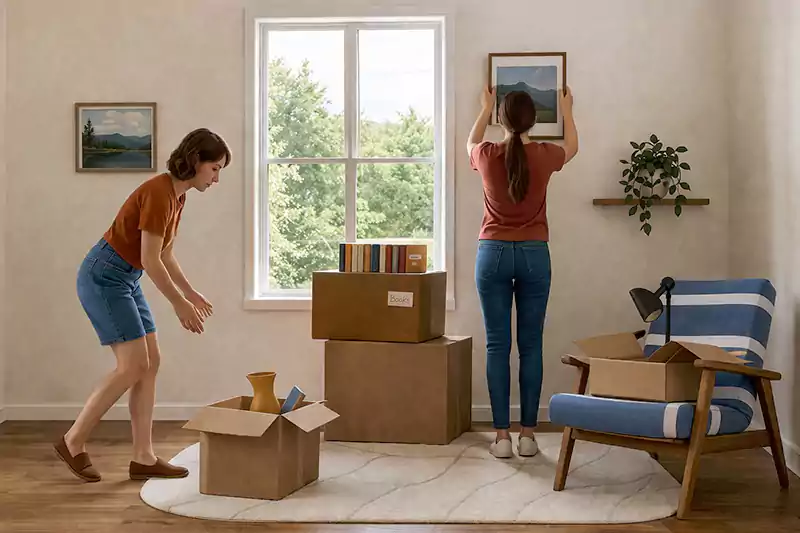
Ever walked into your room and felt like something just isn’t right? Not messy. Not broken. Just off. You look around. The sofa looks fine. Walls are okay. The lighting is decent. But still, the vibe feels cheap somehow. Strange, right?
Sometimes it’s the rug. Yes, that simple piece under your feet. People constantly underestimate it. Outdoor mats don’t just sit there quietly. They define spaces. They pull everything together. Or they ruin it completely. And most people don’t even realize they’re making these mistakes until it’s too late.
Why Rugs Matter More Than You Think
Rugs are quiet. But powerful. They don’t shout for attention, yet they control the entire room. A high-quality rug can make a basic space feel expensive. A bad one? It drags everything down with it.
Think of it like this. You decorate your room carefully. Pick furniture. Choose colors. Maybe even spend a bit extra. Then you throw in a random rug. Boom. The whole effort feels wasted.
- Rugs connect furniture
- They define zones
- They add warmth and comfort
- They set the tone
Ignore them, and the room feels incomplete. It feels almost like wearing a suit with worn-out shoes.
Choosing the Wrong Size Rug
Too Small a Rug
This one happens a lot. Like way too often. Someone buys a rug that looks charming in the store. Brings it home. Places it in the living room. Suddenly, it looks like a postage stamp on a football field.
It floats there. Alone. I once saw a room like that. Beautiful sofa. Nice table. But the rug? Tiny. It made everything feel disconnected, almost like the furniture didn’t belong together.
- Small rugs break visual flow
- They make rooms feel unfinished
- And honestly, they scream “budget mistake.”
Fix:
Go bigger than you think. Always. Even if it feels too large at first. It usually isn’t.
Too Large Rugs
Now the opposite mistake. Less common, but it still happens. A rug so big it swallows the room. Covers everything. Leaves no breathing space. It’s like overdoing it—too much of a good thing.
Fix:
Leave space around the edges. Let the floor show a bit. Rooms need balance. Not suffocation.
Ignoring Rug Placement Rules
Misaligned Furniture
This one feels subtle. But it’s not. You place a rug randomly. Sofa half on it. Chair completely off. Table somewhere in between. It creates tension. Visual tension. And not the good kind.
I’ve seen people do this and wonder why their room feels chaotic. That’s why.
Fix:
Keep things aligned. Intentional. Like you actually planned it, even if you didn’t.
Poor Room Zoning
Open spaces are tricky. Without rugs, everything blends. The dining area becomes part of the living room. The workspace disappears into the chaos. Rugs should be separate. Not confused.
- Living area → one rug
- Dining area → another
- Workspace → defined clearly
When done right, it feels organized. When done wrong, it feels messy without actually being messy.
Choosing the Wrong Material
Low-Quality Materials
Cheap rugs look cheap. There’s no polite way to say it. They fade. They flatten. They lose shape fast. And once that happens, your whole room looks worn out. You might save money initially. But later? It shows.
Fix:
Invest a little more. Wool. Cotton blends. Even good synthetics. They last longer. Feel better, too.
Not Matching Lifestyle Needs
Here’s a real story. Someone buys a light-colored rug. Looks amazing. Soft. Elegant. Then they have kids. And a pet. You can imagine what happens next.
- Stains
- Dirt
- Constant stress
Fix:
Be realistic. Not idealistic. Choose rugs that match your life, not your Pinterest board.
Clashing Colors and Patterns
Overly Bold Choices
Bold rugs can be stunning. But also dangerous. One wrong choice and the room feels loud. Overwhelming. Too many patterns are fighting each other. No harmony. It’s like everyone in the room is talking at once.
Fix:
Balance it out. If the rug is loud, keep furniture calm. Let one thing be the star. Not everything.
Lack of Coordination
Sometimes it’s not about boldness. It’s about a mismatch. Colors that don’t belong together. Patterns that don’t relate. It feels random.
Fix:
Tie it in. Even one matching color can make a huge difference. Small detail. Big impact.
Neglecting Rug Maintenance
Dirty or Worn-Out Rugs
This issue is the silent killer. You don’t notice it daily. But over time, it builds. Dust. Stains. Wear. And suddenly, your room feels dull. Even expensive rugs look terrible when neglected.
Fix:
- Vacuum regularly
- Clean spills quickly
- Rotate rugs occasionally
Simple things. But people ignore them.
Skipping Rug Pads
No rug pad? Big mistake. The rug slips. Moves. Wears unevenly. Feels cheap underfoot.
Fix:
Use a rug pad. Always. It’s not optional, even if people treat it that way.
Using the Same Rug Style Everywhere
Consistency is nice. But too much? It becomes boring. Predictable. Flat. Imagine every room having the same rug. Same color. Same texture. Same vibe. It feels like a showroom. Not a home.
Fix:
Mix things up. Slightly.
- Different textures
- Slight pattern changes
- Still within a theme
That’s the key—variation without chaos.
Ignoring Room Function
Dining Room Mistakes
Dining rooms suffer a lot from rug mistakes—especially size. Chairs get stuck. Rug edges curl. It looks awkward. Feels worse. I’ve experienced this myself. Every time you pull a chair, it catches. Annoying.
Fix:
Go bigger. Much bigger than the table. Give chairs space to move freely.
Bedroom Placement Errors
Bedroom rugs are about comfort. You wake up. Step down. What do you feel? Floor? Cold. Hard. Not nice. A small rug under the bed doesn’t help much.
Fix:
- Large rug under the bed
- Or runners on both sides
Overlooking Entryways and Transitional Spaces
First impressions matter—a lot. Entryways are the first thing people see. Yet, many ignore them completely. A bare entrance feels cold. Uninviting. This is where outdoor mats and indoor mats come in. Practical, yes. But also aesthetic. They catch dirt. And attention. In a positive way.
Fix:
Choose something durable. But also stylish. Because this space sets the tone for everything else.
Not Considering Proportions and Scale
Scale is tricky. People often guess. And guess wrong. A big room with a tiny rug feels empty. A small room with a huge rug feels cramped. Balance matters. Always.
Fix:
Measure. Then measure again.
- Room size
- Furniture layout
- Rug dimensions
Don’t rely on instinct alone. It lies sometimes.
Following Trends Blindly
Trends are tempting. You see something online. It looks amazing. You want it. Immediately. But here’s the problem: trends fade. Fast. That trendy rug today? Might look outdated next year.
Fix:
Go for timeless styles. Add trends in small doses. Not big commitments like rugs.
Forgetting About Texture
Texture is underrated. People focus on color and pattern. But texture? That’s what adds depth. A room with no texture feels flat. Lifeless. Imagine everything smooth. Same feel. Boring, right?
Fix:
Mix textures:
- Soft plush rugs
- Flat weaves
- Layered looks
It creates interest. Without needing loud designs.
Conclusion
Ultimately, rugs aren’t just decoration. Their foundation. Quiet, but powerful. One wrong choice can disrupt the entire room. And the worst part? Most people don’t even realize it’s the rug causing the problem.
From wrong sizes to poor placement, from cheap materials to ignoring maintenance, it all adds up. Slowly. Subtly. Until your home starts feeling less “put together” and more off, it will be difficult to relax.
But the good news? These mistakes are easy to fix. Really. Just a bit of awareness goes a long way. Choose wisely. Place intentionally. Maintain regularly. And suddenly, your space feels different. Better. Warmer. More complete. Sometimes, it’s not about adding more things. It’s about fixing the small ones already there, like your rug.
FAQs: Common Rug Mistakes That Make Your Home Look Cheap
Why does my room look cheap even though I decorated it carefully?
The rug is often the hidden culprit. A wrong-sized, poorly placed, or low-quality rug can quietly undercut everything else in a room—no matter how well you’ve chosen your furniture or color scheme. It’s one of the most overlooked elements in home styling.
What size rug should I choose for my living room?
Go bigger than your instinct tells you. A rug that’s too small breaks visual flow and makes the room feel unfinished. Ideally, the front legs of all main furniture pieces should sit on the rug—this arrangement anchors the space and makes it feel intentional and complete.
How should I position a rug in relation to my furniture?
Alignment is everything. Avoid placing furniture randomly half on and half off the rug—this arrangement creates visual tension that makes a room feel chaotic. Instead, plan your layout so furniture sits on the rug consistently and deliberately, as if you always meant it to be that way.
What rug material is best for a home with kids or pets?
Skip the light-colored, delicate options and go for practical durability. Good synthetic blends, wool, or cotton rugs handle daily wear much better. The goal is to match your rug to how you actually live — not to how you wish life looked on a mood board.
Do I really need a rug pad underneath my rug?
Yes — without exception. A rug pad prevents slipping, protects your flooring, and stops the rug from wearing unevenly over time. Skipping it is one of those small decisions that quietly makes a room feel less polished and more temporary.
How do I use rugs to define zones in an open-plan space?
Each functional area—living, dining, and workspace—deserves its own distinct rug. When done correctly, separate rugs create natural boundaries that make a large open space feel organized and purposeful. When done wrong, everything blurs together, and the room feels messy without actually being untidy.
How do I choose a rug that won’t look outdated in a year?
Stick to timeless styles as your foundation—neutral tones, classic patterns, and quality textures. Trends fade faster than most people expect, and a rug is not a small commitment. If you want to nod to current trends, do it through accessories like cushions or throws rather than the rug itself.
What’s the right rug size for under a dining table?
Larger than you think. Your dining rug needs to be big enough that chairs can be pulled out and pushed back in without catching on the edge. A rug that’s too small will have chairs constantly snagging the border—which looks awkward and damages the rug over time.
How often should I clean or maintain my rug?
Regular vacuuming, prompt spill treatment, and occasional rotation will keep even an affordable rug looking good for years. Neglect is the silent killer of rugs—dust and wear build up gradually, and before you know it, the whole room looks dull, even if nothing else has changed.
Should entryways and hallways have rugs or mats?
Absolutely. Entryways are the first impression of your home—a bare entrance feels cold and uninviting. A well-chosen indoor or outdoor mat does double duty: it traps dirt before it spreads and immediately adds warmth and character to the space. Think of it as your home’s handshake.
