

How do you create an outdoor living space you’ll enjoy for years?
Start by understanding your property’s natural conditions, then combine climate-appropriate plants, durable hardscaping, healthy lawn care, strategic lighting, and proper drainage. A well-planned outdoor living space improves comfort, functionality, curb appeal, and long-term property value while reducing maintenance needs.
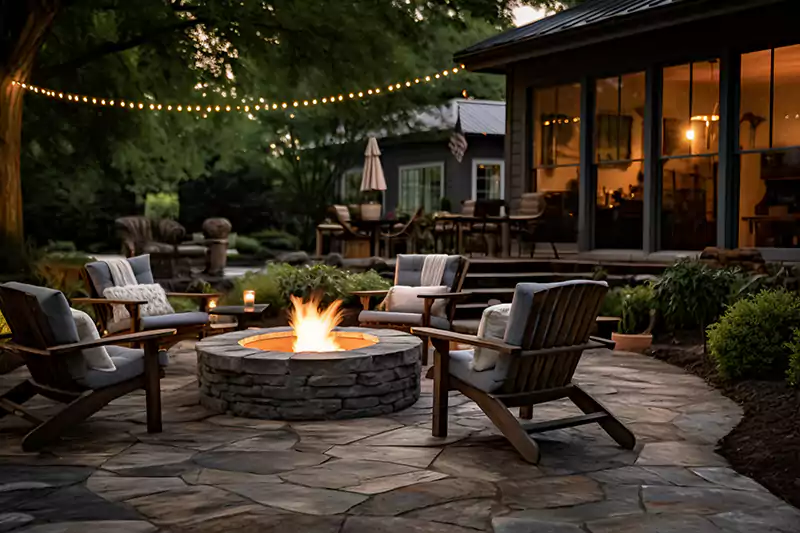
There’s a difference between a yard and an outdoor living space. A yard is simply what’s outside your door. An outdoor living space is somewhere you actually want to be—somewhere the family gravitates toward on a Saturday afternoon, somewhere guests linger after dinner, and somewhere the view from the kitchen window makes coming home feel rewarding That kind of space doesn’t happen by accident.
Whether you’re starting from scratch or trying to bring some life back to an existing yard, the approach matters. Thoughtful landscaping can add real value to a property, but more than that, it shapes how you actually live in your home — inside and out.
Start With the Property, Not the Pinterest Board
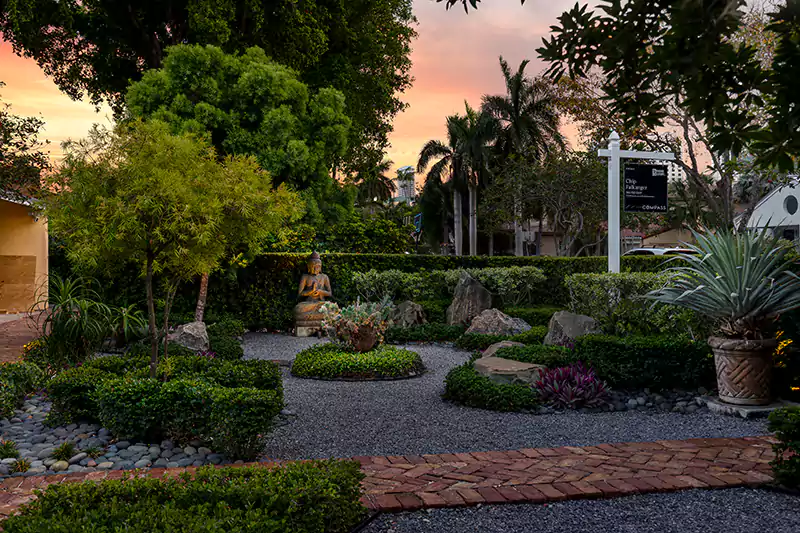
Every yard has its own personality—where the sun hits longest, where water tends to pool after rain, what the soil is actually like beneath the surface, and what’s already growing and worth keeping. A plan that ignores those realities tends to fight the land instead of working with it, which means more maintenance and more problems down the road. The best landscaping designs start by understanding what the property naturally does, then building around it. That’s what keeps a landscape looking healthy without requiring constant intervention.
Trees Do More Work Than Most People Realize
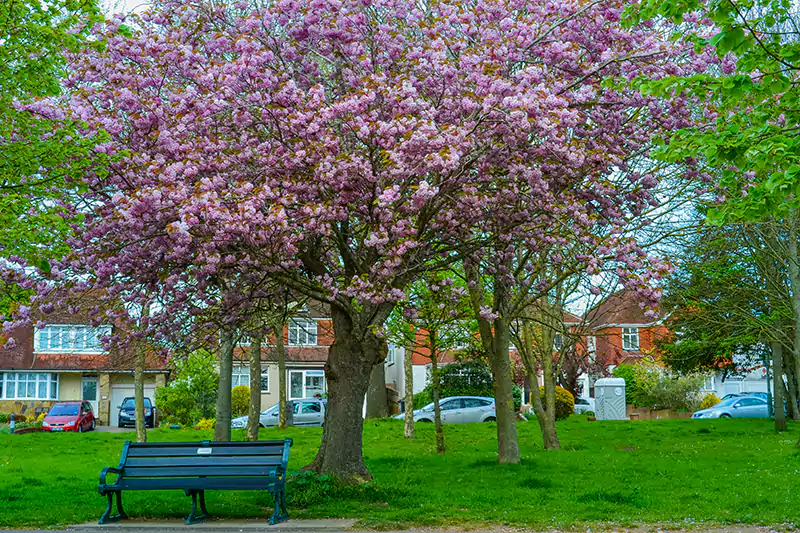
A well-placed shade tree is one of the better long-term investments you can make in a property. Beyond the obvious cooling effect in summer, trees improve privacy, soften noise, reduce energy costs when positioned near the house, and genuinely add to a home’s value over time. Ornamental varieties pull their weight differently—a flowering tree in spring or one with striking fall color gives a yard something to look at all year rather than just during the growing season. The key is choosing species that actually belong in the local climate, not ones that look great at the nursery but struggle in the ground.
Shrubs, Grasses, and the Art of Layering
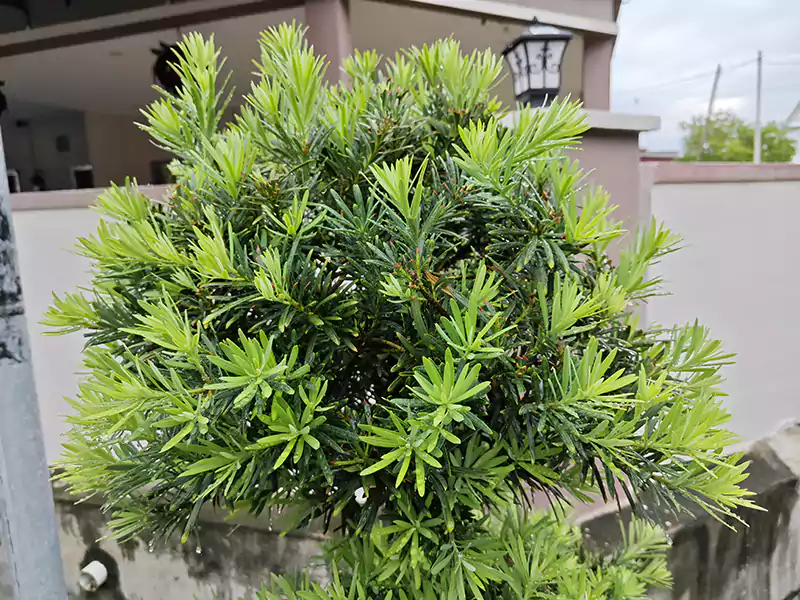
Layering separates a designed landscape from one that just looks planted. Mixing plant heights—taller shrubs behind lower ones, groundcovers filling in the edges—creates depth and makes a home’s foundation disappear into the planting rather than sitting exposed and flat. Evergreen shrubs keep things looking alive through the gray months, while flowering varieties bring color in waves through spring and summer. Ornamental grasses are underused and underrated; they move in a breeze, hold their structure into winter, and add a texture that most other plants can’t.
A Lawn Worth Having
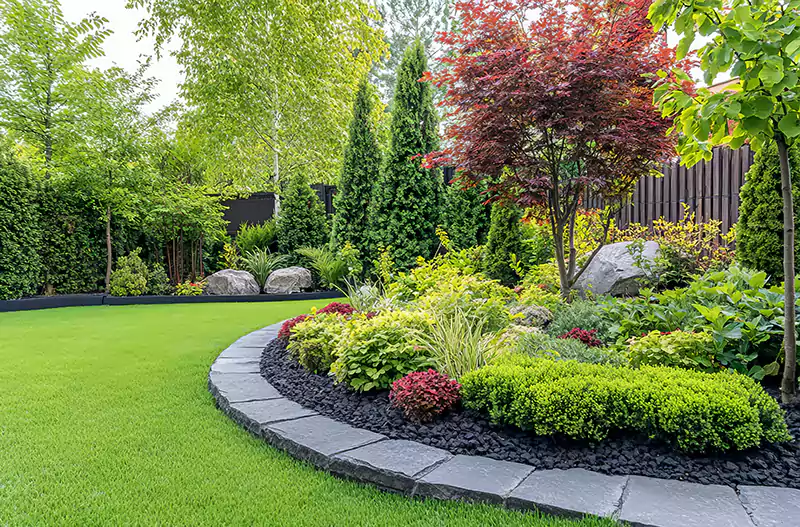
Turf gets taken for granted until it starts looking rough—thin patches, weeds creeping in, that dull brownish tinge that shows up in August. A genuinely healthy lawn takes consistent care: mowing at the right height, fertilizing on schedule, aerating to break up compaction, overseeding the bare spots before they spread, and watering deeply rather than frequently. Drainage and soil quality matter too. Addressing those underlying issues early will help the grass respond. Leave them alone, and no amount of surface treatment will resolve the problem for long.
Beds, Borders, and Seasonal Color
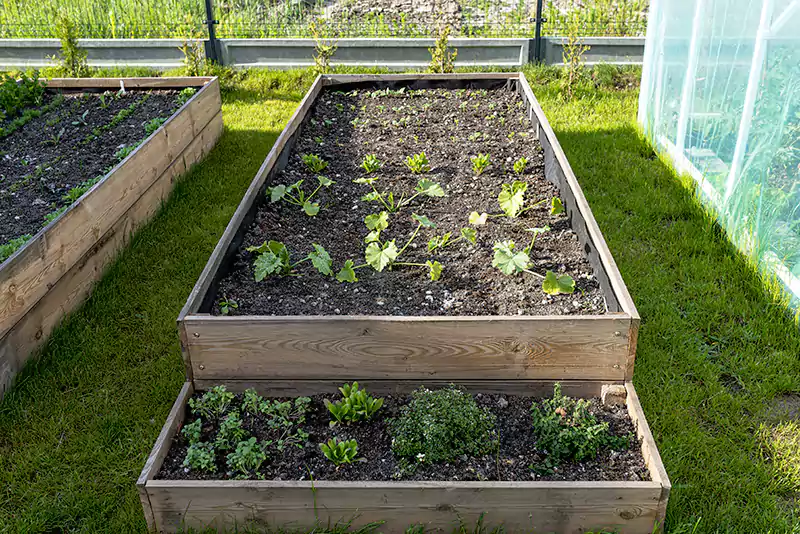
Planting beds are where a landscape gets its personality. A mix of perennials, annuals, ornamental shrubs, and groundcovers means there’s always something new to see—spring bulbs giving way to summer perennials and annuals carrying color into fall. Fresh mulch ties the whole thing together, and it’s one of those small investments that pays back several times over: it keeps moisture in, holds weeds back, and insulates roots through temperature swings. A well-mulched bed also just looks cared for, which matters more than people admit.
Hardscape — Where You Actually Spend the Time
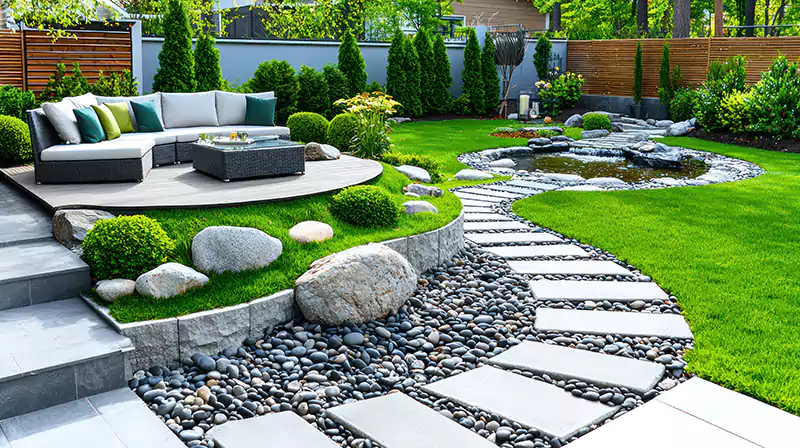
A patio, a fire pit, a stone walkway, an outdoor kitchen — these are the pieces that turn a yard into somewhere people actually use. Soft landscaping sets the scene, but hardscape is where the living happens: dinners outside, kids playing, and conversations that run later than planned. Quality materials here hold up for decades with minimal upkeep, which makes them genuinely low maintenance in the long run compared to features that need replanting or refreshing every year.
Lighting After Dark
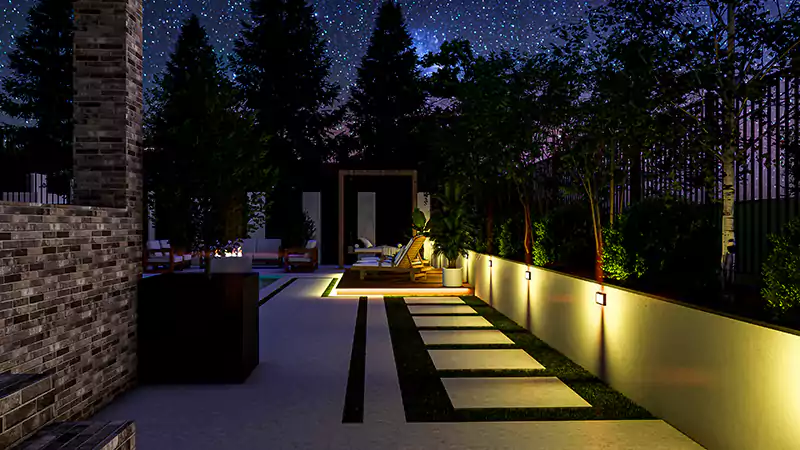
Outdoor lighting is one of the most underestimated elements of a well-finished landscape. Done right, it extends how long you can actually enjoy the yard—illuminating pathways so they’re safe to walk at night, washing light across a garden bed that disappears into the dark without it, or highlighting a tree that becomes genuinely striking when lit from below. LED systems have made outdoor lighting practical for almost any budget: they’re energy efficient, last a long time, and come in enough styles to fit everything from a clean modern design to something more traditional.
Water Management — The Unsexy Part That Matters Most
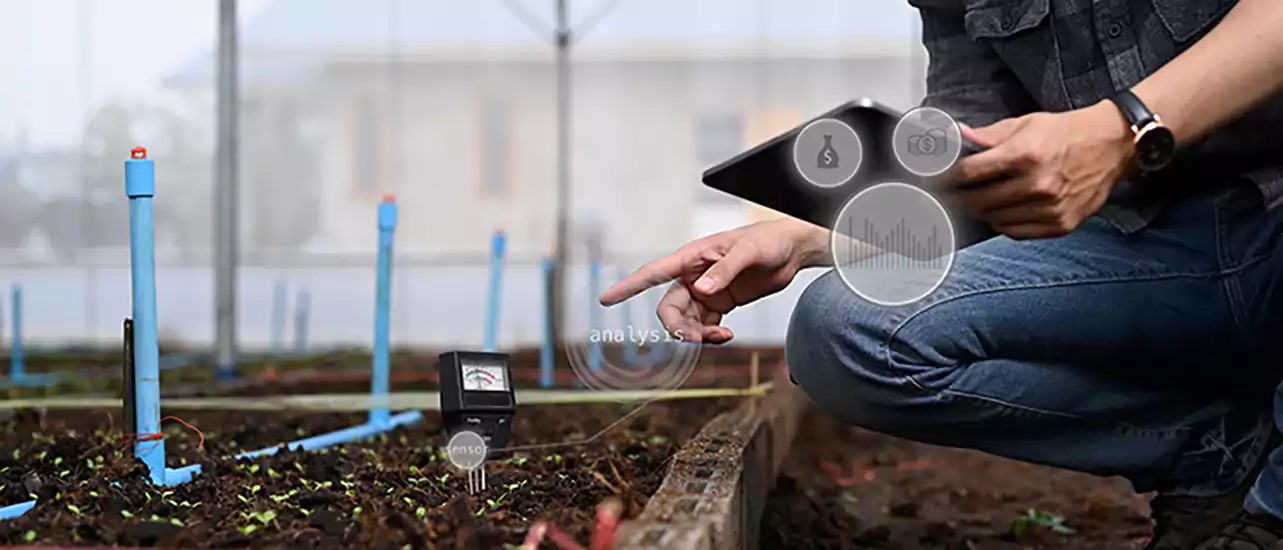
Standing water after rain, erosion along slopes, soggy patches that never quite dry out — these problems don’t fix themselves, and ignoring them long enough usually means damage to the landscaping and eventually to the home’s foundation. Proper grading, French drains, downspout extensions, and smart irrigation planning address water before it becomes a problem rather than after. An efficient irrigation system also means plants get what they need without waste, which matters during a dry stretch when hand-watering becomes a full-time job.
What a Professional Brings to the Project
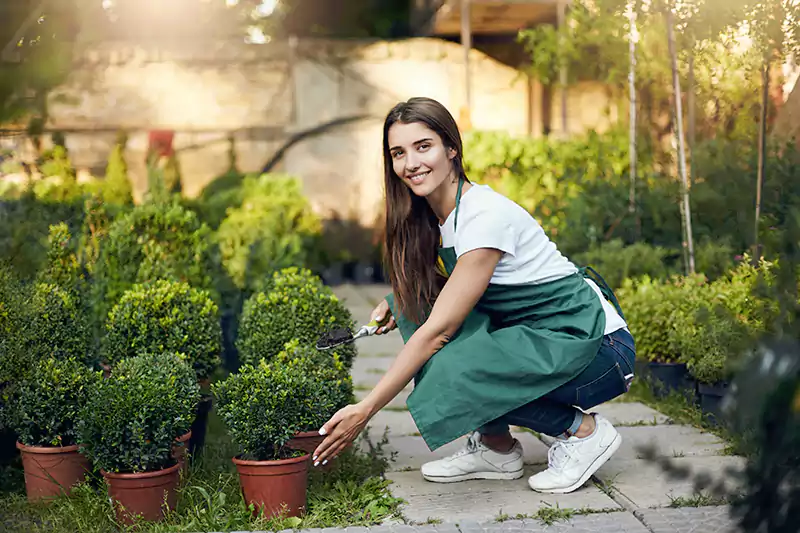
There’s real value in knowing what you don’t know. Working with an experienced landscaping company in Carmel means having someone who knows which plants actually thrive in local conditions, how to read a yard’s drainage before it becomes a problem, and how to design something that stays attractive without demanding constant upkeep. That practical knowledge prevents the kind of expensive mistakes—wrong plant in the wrong spot, drainage issues missed during installation, materials chosen for looks rather than longevity—that tend to cost significantly more to fix than they would have to avoid.
A good landscaper also helps homeowners prioritize. Not everything has to happen at once, and a phased plan that makes sense financially is usually more realistic than trying to transform a yard in a single season.
Build for Where You Are Now: Leave Room for Where You’re Going
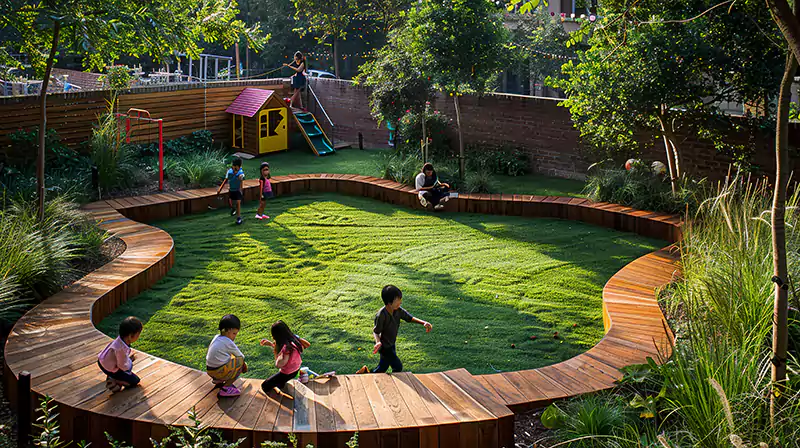
A family with young kids needs different things from a yard than the same family a decade later. Open space for play gives way to a garden, a more formal seating area, or a low-maintenance design that doesn’t require every weekend to keep up. The best landscape plans are built with that flexibility in mind — a strong foundation that can grow and shift over time without losing its overall coherence.
A Space That Works for You
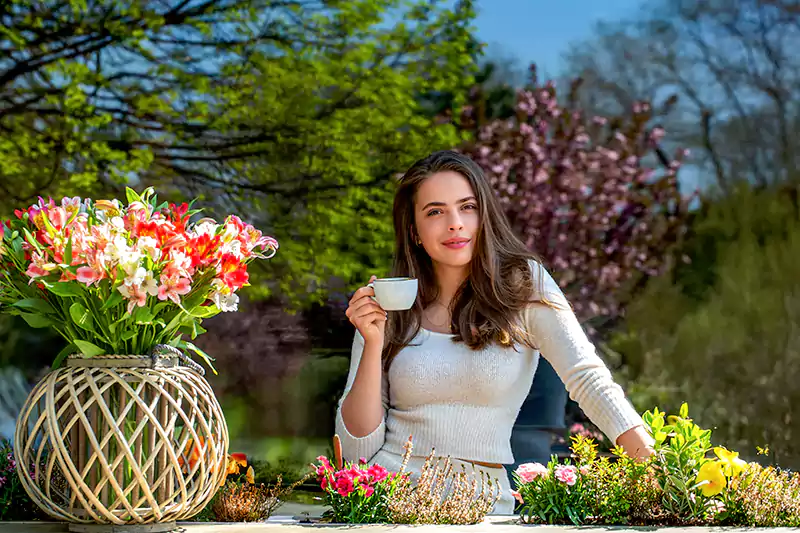
Good landscaping isn’t really about impressing people driving past. It’s about making the outside of your home somewhere you genuinely want to be — a place to slow down after a long day, have people over without the yard feeling like an afterthought, or just step outside in the morning with a coffee and feel like the space is working.
That comes from investing in the right things: a plan that starts with the property itself, plants chosen for the climate, hardscape built to last, drainage handled properly from the start, and the patience to let it develop over time. Done that way, a landscape doesn’t just add value to a home — it becomes one of the best parts of living there.
FAQs: Creating an Outdoor Living Space You’ll Enjoy for Years
What is the most important step when creating an outdoor living space?
The most important step is evaluating your property’s natural conditions, including sunlight, drainage, soil quality, and existing vegetation. Designing around these factors helps create a landscape that is attractive, functional, and easier to maintain.
How can landscaping increase my home’s value?
Professional landscaping can improve curb appeal, enhance outdoor usability, increase energy efficiency through strategic tree placement, and make a property more attractive to potential buyers.
What plants work best in an outdoor living space?
Plants that thrive in your local climate are typically the best choice. A combination of trees, shrubs, ornamental grasses, perennials, and groundcovers creates year-round interest and long-term landscape health.
Why is hardscaping important in backyard design?
Hardscape features such as patios, walkways, fire pits, and outdoor kitchens provide functional gathering spaces. They help transform a yard into a true outdoor living area that you can enjoy throughout the year.
How do I create a low-maintenance outdoor living space?
Choose native or climate-adapted plants, install efficient irrigation systems, use mulch to reduce weeds, and incorporate durable hardscape materials that require minimal upkeep over time.
What role does outdoor lighting play in landscape design?
Outdoor lighting improves safety, highlights key landscape features, extends the usability of outdoor spaces after dark, and adds visual appeal to patios, pathways, and gardens.
Why is drainage important for landscaping?
Proper drainage prevents standing water, soil erosion, plant damage, and potential foundation issues. Addressing drainage concerns early helps protect both the landscape and the home.
Should I hire a professional landscaping company?
A professional landscaper can help you avoid costly mistakes, recommend suitable plants and materials, solve drainage challenges, and create a long-term plan tailored to your property and budget.
How can I make my outdoor living space adaptable for the future?
Focus on a flexible design that can evolve with your lifestyle. Open spaces, modular seating areas, and phased landscaping improvements allow your outdoor environment to grow with your changing needs.
What features create the best outdoor living experience?
The best outdoor living spaces combine comfortable seating, attractive landscaping, healthy lawns, durable hardscaping, effective lighting, and proper water management to create a beautiful and functional environment.
