

What preparation steps are essential for basement conversion?
Keep the original layout to maximize space and budget; add a bathroom for convenience with strategic plumbing placement; install rigid insulation for temperature and dampness control; conduct a thorough inspection checking for moisture and ventilation issues; and develop a comprehensive interior design plan utilizing foldable furniture and storage solutions.
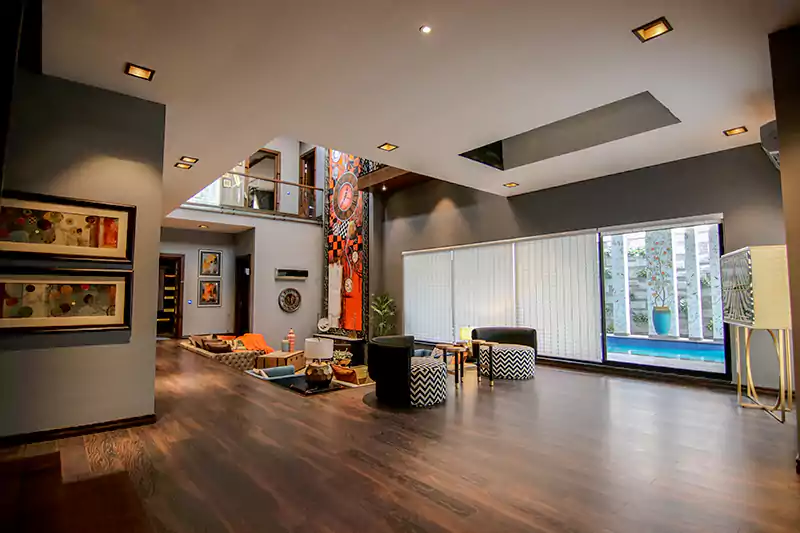
Space is limited, so it makes sense to make better use of the space you have. After so long of being underutilized, many homeowners now turn to their garages or basement when trying to find more space. The latter is usually the best option for a living area.
You want to approach your basement remodeling project with care. There are several important things to complete before you can start adding furniture and accessories, such as preparing the space for its purpose. These essential preparation tips will help you get started.
Keep The Layout
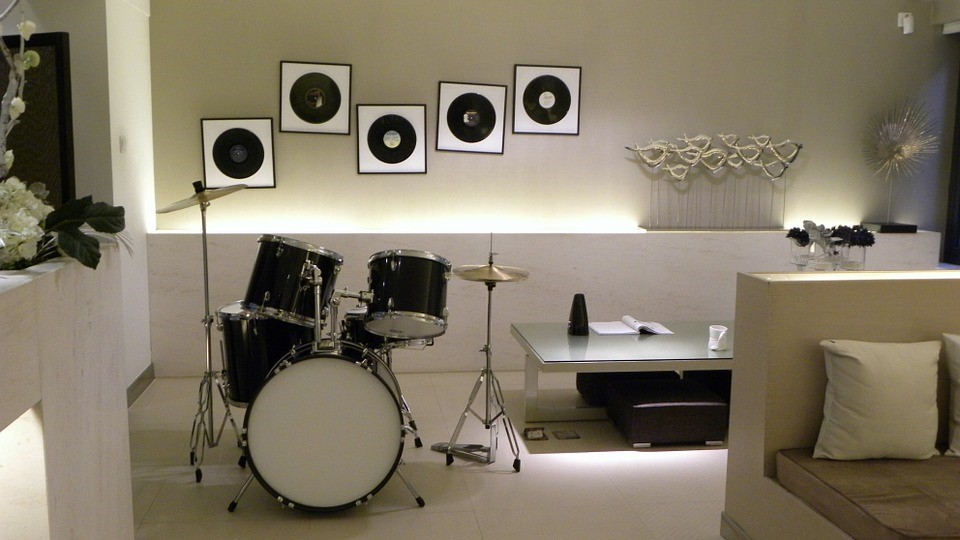
One of the ways to keep the basement remodeling project manageable is to stick with the original layout. While it may be tempting to add new walls or partitions to a space, leaving the space as it is lets you have more room—and budget—to turn the space around.
Rather than adding walls or changing the layout entirely, be smart with the way you design the interior. You can still divide the space without adding physical walls to the basement.
Add A Bathroom
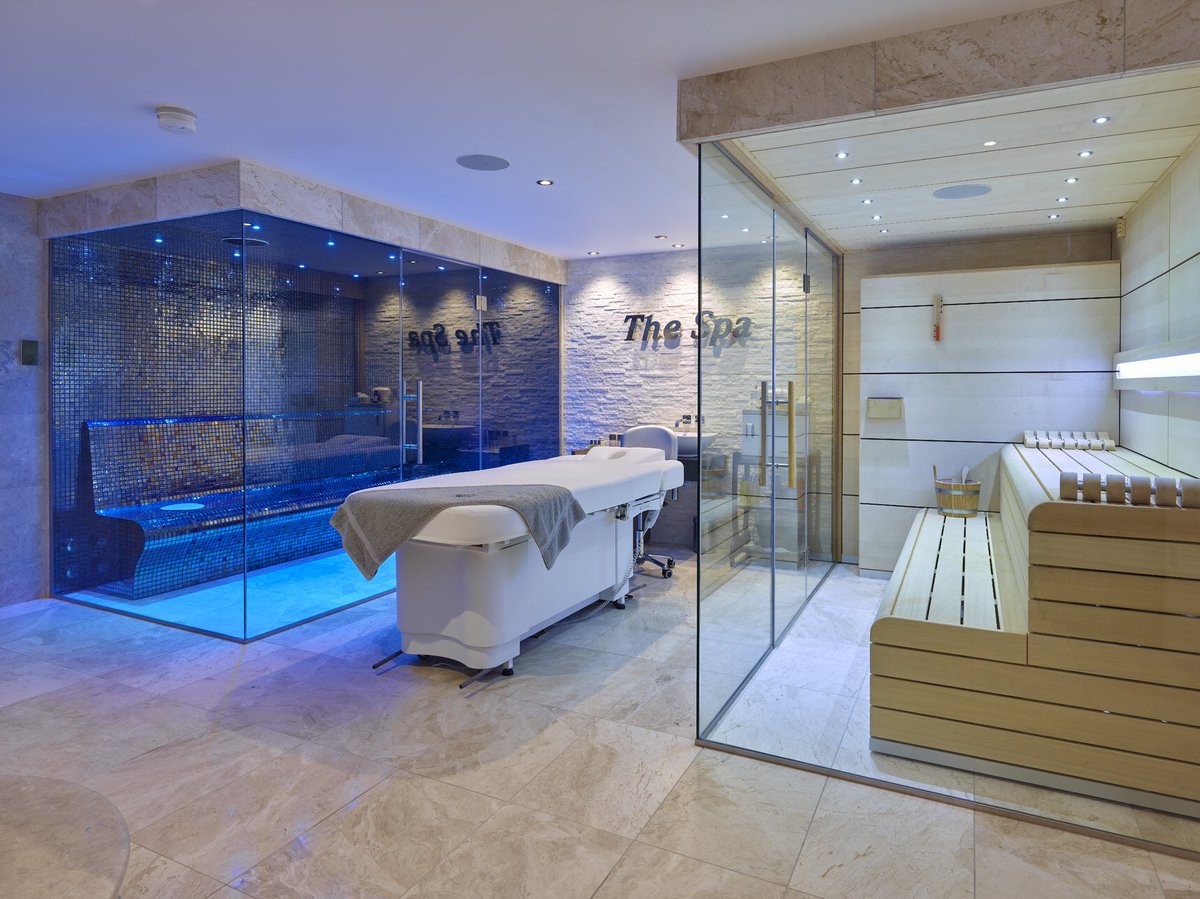
While you are working on the layout of the space, consider adding a bathroom for convenience. Having to go upstairs whenever you need the bathroom is not ideal.
There are more bathroom designs to draw inspiration from when you have a relatively limited space to work with. You also have plumbing and wiring to think about; try to position (and design) the bathroom so that the plumbing and wiring are easy to handle.
Don’t Forget The Insulation
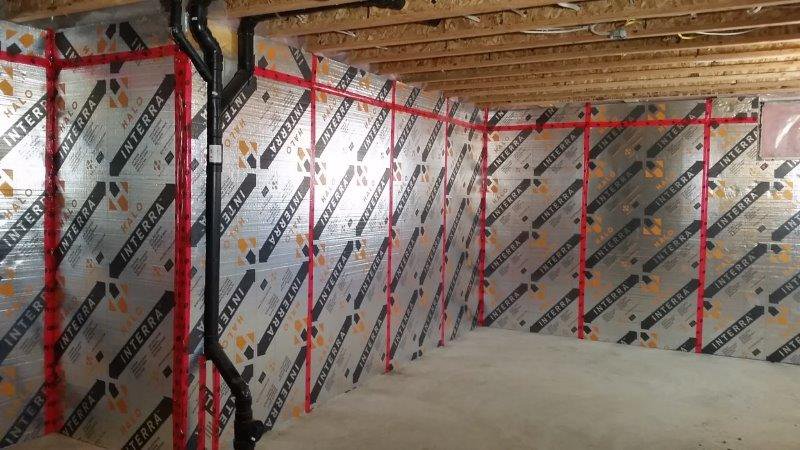
Adding insulation is the next thing to do, especially since the basement doesn’t always get direct sunlight. You want to insulate the walls as well as the ground, and you want to anticipate low temperatures and increased dampness.
Rigid insulation is usually a good option to look into. You can minimize the need for excessive support structures for the insulation, plus you can keep the walls thin—and the space big—with this type of insulation.
Do One Last Check

Now that you have a space that you can decorate with a well-designed layout and the right functions, it is time to do one last inspection. Make sure there are no hidden issues with the basement before you do anything further with it.
Not spotting potential issues early can be costly. You may come across problems like the new wallpaper not sticking correctly to the damp walls. Not adding sufficient, high-quality egress windows or a ventilation system is a bad idea, too; you want to avoid these issues.
Fire Away!

Lastly, develop a clear plan for the interior of the basement. Having a bright interior design to work with allows you to maximize the space. You can even find ways to boost the utilization of your basement further, such as by using foldable furniture or concealed storage.
The basement can turn into a comfortable, functional space nonetheless. You should plan and prepare for the remodeling project more effectively. Use the tips and tricks we covered in this article to help you get started with your remodeling as quickly as possible.
HouseUP is a basement conversion specialist based in London. Using digital technology, they can create more space and add more value to your property.
FAQs: Converting Basement to Living Space
Should I modify the original basement layout during conversion?
Keeping the original layout makes remodeling projects more manageable and budget-friendly. While adding walls or partitions is tempting, the original space provides more square footage and financial flexibility. Smart interior design can divide areas without physical walls, maintaining openness while creating functional zones. Strategic furniture placement and clever design achieve separation without expensive construction.
Is adding a bathroom to basement living space necessary?
Adding a bathroom dramatically improves basement living space functionality. Residents avoid repeatedly going upstairs for bathroom access, significantly enhancing convenience and comfort. Modern compact bathroom designs work beautifully in limited spaces. Strategic plumbing and wiring placement minimizes installation complexity. This single addition transforms basement spaces into genuine living areas rather than recreational supplements to main homes.
What type of insulation works best for basements?
Rigid insulation is excellent for basements, providing reliable temperature control while minimizing space loss. This insulation type reduces the need for extensive support structures, keeping walls thin while maximizing usable space. Proper insulation addresses basement-specific challenges, including lack of direct sunlight, low temperatures, and increased dampness. Quality insulation prevents costly future moisture and temperature control issues.
Why is insulating basement walls and floors important?
Basements naturally experience temperature fluctuations and moisture accumulation due to ground contact and limited sunlight. Insulating both walls and floors prevents these environmental challenges from compromising comfort and air quality. Proper insulation maintains consistent temperatures, reducing heating costs while preventing moisture damage that deteriorates finishes and creates unhealthy living conditions.
What inspection should I do before basement renovation?
Thorough pre-renovation inspection identifies hidden issues preventing costly mistakes during finishing work. Check for moisture problems affecting wallpaper and finishes, verify adequate egress windows for safety and ventilation, inspect structural integrity, and assess electrical requirements. Early issue detection allows corrections before expensive renovations begin, saving significant time and money.
How critical are egress windows in basement spaces?
Egress windows are essential safety features providing emergency exits and natural ventilation. Building codes often require them in bedroom spaces. Beyond legal requirements, these windows improve air quality, reduce moisture accumulation, and allow natural light penetration. Proper egress window installation protects occupants while creating healthier, more pleasant living environments.
How do I manage moisture in basement living spaces?
Address moisture through comprehensive waterproofing, proper insulation, adequate ventilation systems, and dehumidifiers when necessary. Seal cracks and gaps preventing water infiltration, apply moisture-resistant finishes, and ensure efficient drainage around foundation perimeters. Managing moisture prevents wallpaper failure, mold growth, and structural damage while maintaining comfortable living conditions.
What interior design maximizes small basement spaces?
Develop a comprehensive design plan using light colors brightening dim basement environments, foldable furniture adapting to different activities, concealed storage eliminating visual clutter, and strategic lighting creating functional and welcoming atmospheres. Thoughtful design maximizes functionality while maintaining visual appeal in constrained spaces.
Should basement bathrooms require special plumbing considerations?
Yes, basement bathrooms need special attention regarding plumbing placement and drainage. Position fixtures strategically, minimizing complex plumbing requirements. Sump pumps may be necessary in certain basements for managing water accumulation. Consult professional plumbers understanding basement-specific challenges, ensuring reliable, code-compliant installations functioning properly long-term.
How much should I budget for converting my basement into a living space?
Budgets vary significantly based on starting condition, desired finishes, and required upgrades. Keeping original layouts and using existing infrastructure reduces costs. Insulation, waterproofing, and bathroom installation represent major expenses. Detailed planning and professional assessments provide accurate cost estimates. Many homeowners find basement conversion cheaper than additions while dramatically improving property value and usable space.
