


If you have a basement, you most likely have a sewage ejector pump attached to its water system. Though most of the basement has a sewage pump, and everybody knows that there is one, only a few know about how it functions and how often a sewage ejector pump should run.
So, many people get worried when the sewage ejector pump runs frequently. A sewage pump pumps out the extra water from the basement when the water level rises and saves you from getting a flooded basement. So if you are worried that your sewage pump is running more frequently than usual, stay with us to find out if it is normal or not.
How Does A Sump Pump Work?
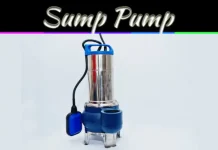
The working principle of a sump pump is pretty easy but effective. When there is excess water in the basement, all of that water goes into a big hole in the basement. The big hole is called the sump or sump pit. An electric pump is attached to the sump, and it is the sump ejector pump.
When the water level into the sump rises a certain level, it automatically activates the sump ejector pump by turning an automatic switch on. A certain level of water is allowed to stay in the sump but not more. So the pump starts, and it starts to eject the excess water from the basement to outside the house using a line.
The line contains a way valve so that the drained water cannot come back into the sump pump. So, the pump is safe, and with proper maintenance, it will serve you for a very long time without causing any problem.
How Often Should A Sewage Ejector Pump Run?
When the sump ejector pump is in perfect condition, it turns on automatically. However, for it to be turned on, the water level must rise to a certain level, activating the float switch, which starts the ejector pump.
If you stay where heavy rain occurs daily, running the sump pump 2-4 times a day is normal. But sometimes problems arise, and the sump ejector pump activates on its own now and then.
If you see your sump ejector pump start many times in a day but your neighbor doesn’t, then there is a high possibility that something is wrong with the ejector pump. Here are some possible reasons for a sewage pump running frequently.
Too Small Sump Pit
Your sewage pump needs to be of the right power to handle the water-ejecting task, and so does the sump. If the sump is too small, it cannot hold a large amount of water, and as a result, it will get filled in every 2 minutes, and the sewage ejector pump will start running.
So, you have to ensure that the sump pit size is ideal and not too small. If you found the sump size small and getting filled in quickly. You have to increase the size of the sump. It is a problem to do that yourself, but it would be best to seek help from a professional.
Clogged Discharge Line
The sewage ejector pump ejects the water away from your home using a one-way line. If the line is clogged, the pump will drain the water but cannot discharge it completely. So, as it is unable to discharge water, it will start running frequently.
You have to unclog the discharge line to make the pump function properly. After finding the clog, it is not so tough to unclog. There should be a shop vac at the end of the line, and remove it so you can find the clogged spot. Just unclog it, and that should solve your problem.
Broken Check Valve
The check valve is the part of the drain line that stops the water from the one-way line to the pump. But if the check valve is broken or worn out, it can’t stop the water from going into the pump. A broken check valve can lead the drained water into the pump, and the pump will run continuously to eject the water.
The process of replacing the check valve is easy and not so expensive. If you find the check valve is worn, replace it with a new one to solve your problem.
Final Words
A sewage ejector pump frequently runs for various reasons, but the solution is not too tough. First, you have to find out the problem, and fixing that problem is child’s play. Sewage pump running 3-4 times is normal, but more than that seems a bit unusual.
FAQs: How Often Should A Sewage Ejector Pump Run
How often should a sewage ejector pump run?
A sewage ejector pump typically runs only when the basin fills to a certain level. In most homes, this may be a few times per day depending on water usage.
What is considered normal pump cycling?
Normal cycling means the pump turns on, empties the basin efficiently, and shuts off. Short, consistent cycles tied to household usage are usually expected.
Is it bad if my sewage ejector pump runs too frequently?
Yes, frequent cycling can indicate issues such as a stuck float switch, high water usage, or a system problem that may need inspection.
What causes a sewage ejector pump to run more often than usual?
Common causes include increased water usage, leaks, a faulty float switch, or a partially clogged discharge line.
How long should each pump cycle last?
Most cycles last anywhere from a few seconds to a couple of minutes, depending on the tank size and pump capacity.
Can heavy water usage affect pump frequency?
Yes, activities like laundry, long showers, or multiple fixtures running at once can cause the pump to cycle more frequently.
What are signs that my sewage ejector pump is not working properly?
Warning signs include constant running, unusual noises, slow drainage, or foul odors around the system.
How can I reduce how often my pump runs?
You can reduce frequency by conserving water, fixing leaks, and ensuring the system is properly maintained and sized for your home.
When should I replace my sewage ejector pump?
If the pump is frequently malfunctioning, running excessively, or nearing the end of its lifespan (typically 7–10 years), replacement may be necessary.
Do sewage ejector pumps require regular maintenance?
Yes, periodic inspection and cleaning help ensure efficient operation and can prevent unexpected failures.



My sewage pump is already clogged probably due to lack of cleaning. Thank you for sharing here as well the importance of regular pumping so debris accumulation will be avoided. I also agree with you that there must be a ShopVoc too since this will help determine the clog spot. http://www.zebwattsseptic.com/products