

To relieve stress on the hips and shoulders, side sleepers should choose a mattress with a softer top. Maintaining proper spinal alignment while sleeping requires a medium-firm mattress. If you sleep on your stomach, you need a firm mattress so the hips don’t sink in. Combination sleepers, such as bouncy hybrids or latex mattresses, which allow you to move easily during the night.
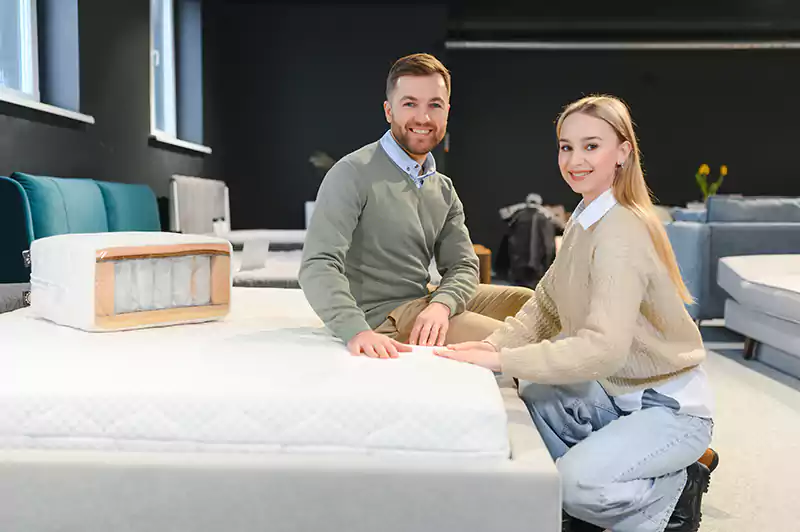
Is this you? You are delaying getting a new mattress because the process feels like a maze that you have to navigate blindfolded. I understand. With all the endless brands screaming about “revolutionary technology” and sales associates tossing out phrases like “pressure-relieving gel foam” and “temperature-neutral layers,” it is enough to make anyone want to just throw a blanket on the floor and call it a night.
But here’s the thing: your mattress isn’t just another piece of furniture collecting dust in your bedroom. It’s working overtime every single night, supporting your body through hours of recovery. Get it wrong, and you’re looking at mornings where you feel like you wrestled a bear instead of sleeping peacefully. Get it right, though? Game changer.
So let’s cut through the noise and talk about what actually matters when you’re hunting for a bed that’ll treat you right.
Stop Ignoring How You Actually Sleep
Think about this: do you curl up on your side like you’re back in the womb? Sprawl out flat on your back? Or maybe you’re one of those rare stomach sleepers who everyone warns will have back problems someday (they’re not entirely wrong, by the way).
Your go-to sleeping position isn’t just a quirky habit—it’s basically your body’s instruction manual for mattress shopping.
If you are a side sleeper, you require a mattress that will support your shoulders and hips without causing discomfort by 3 AM. Pushing yourself too hard may leave you waking up feeling as though someone has used your body as a punching bag. Your pressure points need some give, some cushion to sink into just enough.
Back sleepers, on the other hand, need that Goldilocks zone—not too soft, not too firm. Your spine wants to maintain its natural curve, and if your mattress is too plush, your lower back will sag like a hammock. Not fun.
Stomach sleepers? You folks need serious support. I’m talking firmly enough to keep your hips from diving deeper than the Titanic. Otherwise, you’re creating this weird banana curve with your spine that’ll have you hobbling around like you’re twice your age.
And if you flip around all night like a rotisserie chicken, what does that mean for you? You need a mattress that moves with you. Something responsive that doesn’t make you feel stuck or require a five-point turn just to roll over.
What’s Inside Actually Matters (Shocking, I Know)
Most people walk into a mattress store, lie down for thirty seconds, and make a decision based purely on that initial “ooh, this feels nice” moment. But what’s happening under the surface is where the magic—or disaster—really lives.
Memory foam has become the darling of the mattress world, and honestly, I understand why. It hugs your body in all the right places and makes you feel like you’re sleeping on a cloud made of marshmallows. Perfect for achy joints and anyone who needs that contouring support. The catch? Traditional memory foam can turn your bed into a furnace. If you’re already a hot sleeper, you might wake up feeling like you’ve been slow-roasted.
Latex is a whole different beast. It’s got this bouncy, responsive feel that some people absolutely love. You’re not sinking in—you’re being gently supported. Plus, it breathes way better than foam, which means less midnight sweat sessions. Natural latex also tends to last forever, which is particularly advantageous if you’re not planning to replace your mattress every few years like it’s a smartphone.
Then there are hybrids, which are basically the best-of-both-worlds situation. You get foam comfort layers up top with supportive coils underneath. It’s like having your cake and eating it too—comfort without the sauna effect and support without feeling like you’re sleeping on a park bench.
Old-school innerspring mattresses? They’re still around, usually at lower price points. Great airflow, sure, but if your partner moves even slightly, you’ll feel it. It’s not ideal if you’re a light sleeper sharing a bed.
Temperature Control Is Non-Negotiable (Seriously)
Can we talk about waking up drenched in sweat for a second? Because if that’s your reality, your mattress is probably working against you.
Some materials just trap heat like they’re trying to recreate a sauna experience you never asked for. Dense foam is usually the main culprit here. But the mattress industry has caught on, and now there are actual solutions that don’t involve sleeping with a fan pointed directly at your face.
You’ve got gel-infused foams that pull heat away from your body. Breathable covers made from moisture-wicking fabrics. Even clever design features like perforated layers and air channels that keep things flowing. Hybrids and latex naturally sleep cooler because air actually moves through them.
If you live somewhere hot or just run warm naturally, don’t treat cooling features like luxuries-to-haves. They’re essentials. Otherwise, you may have some very uncomfortable nights.
The Secret Stuff You Can’t See (But Definitely Feel)
Here’s where things get interesting. You know that feeling when you test a mattress in a store and it seems perfect, but three months later you’re waking up with a stiff back? That’s usually because you focused on comfort and forgot about support.
The real MVP of any quality mattress is what’s happening in those middle layers you can’t even see. Transition foams, zoned support systems, reinforced edges—this is the engineering that separates beds that last from ones that turn into sinkholes.
Individually wrapped coils are worth calling out specifically. Unlike those old spring mattresses where everything’s connected (so moving on one side sends vibrations across the entire bed), these coils work independently. Your partner can do acrobatics on their side, and you’ll barely notice. Plus, they respond to your body’s specific pressure points rather than just acting like one giant trampoline.
If you share your bed, this stuff matters more than you might think. Nobody wants to be woken up every time their partner shifts positions.
Pricey Doesn’t Automatically Equal Amazing
Let’s bust a myth real quick: the most expensive mattress in the store is not necessarily your ticket to perfect sleep.
I have seen people spend thousands of dollars on luxury mattresses that are not the right fit for their body type or sleep style, and they end up miserable. Meanwhile, someone else finds a mid-range option that fits them perfectly and sleeps like a baby every night. Comfort is wildly personal—there’s no universal “best.”
Instead of just looking at price tags, dig into the details. What’s the foam density? (Higher usually means more durable.) What kind of warranty are they offering? Is there a reasonable trial period that allows you to sleep on it at home? What are real customers saying after living with it for months?
A solidly constructed mattress might cost more upfront, but if it lasts you eight years instead of three, you’re actually saving money. And cheap mattresses that start sagging within the first year? That’s just throwing money away.
Pro tip: mattress sales happen like clockwork around major holidays. Memorial Day, Labor Day, Black Friday—these are your moments to score serious deals without compromising on quality.
Bottom Line
Look, buying a mattress doesn’t have to feel like solving a Rubik’s cube blindfolded. Once you tune out the marketing noise and focus on what actually affects your sleep—proper support for your sleeping style, materials that work with your body temperature, hidden layers that’ll last, and construction quality that justifies the price—it gets a lot simpler.
Your mattress is one of those purchases that touches literally every day of your life. Good sleep affects everything: your mood, your health, your productivity, even your relationships. So, it’s worth taking the time to get it right.
Once you find the right one for your body and sleep patterns, you’ll wonder why you waited so long. Believe me, there’s nothing like waking up actually refreshed instead of feeling like you need a vacation from sleeping.
FAQs: How to Choose the Best Mattress for Good Sleep
How do I know what mattress firmness is best for me?
The right firmness for you depends on your main sleeping position. Side sleepers usually prefer soft to medium mattresses that cushion pressure points. Back sleepers do well on medium-firm surfaces that support the spine. Firmness is necessary to support the stomach sleeper and keep strain off the lower back. If you switch positions a lot, go for medium-firm hybrid or latex mattresses that provide a happy medium of comfort and responsiveness.
What is the difference between memory foam mattresses and hybrid mattresses?
Memory foam mattresses conform well to your body for pressure relief and motion isolation, but they can trap heat. Hybrid mattresses combine foam comfort layers with supportive coil systems to improve airflow, keep you cooler, and make it easier to move around. Memory foam is best for pain relief and not disturbing your partner, while hybrids are a good choice for couples and hot sleepers.
Why is my mattress causing me to sleep hot, and how do I fix it?
Dense memory foam can retain heat from your body and make you sleep hot. Look for cooling features such as gel-infused foams, breathable covers made from moisture-wicking fabrics, perforated layers to promote airflow, or hybrid constructions that combine coil systems to improve ventilation. Latex mattresses are naturally cooler for sleeping. If you are a hot sleeper, make temperature regulation a primary consideration over other mattress qualities.
Are high-priced mattresses really better than budget ones?
Not necessarily. A mattress’ price doesn’t always guarantee a more comfortable night’s sleep. It’s more important to find a mattress that suits your body type, sleeping position, and personal preferences. Don’t just shop for price, but also consider foam density, material quality, warranty coverage, trial periods, and verified customer reviews. A good mid-range mattress can often be better than a high-end mattress that doesn’t fit your specific needs.
What to look for in a mattress for couples?
If you share a bed, you might want to look for a mattress with excellent motion isolation (individually wrapped coils or memory foam layers that don’t transfer movement). Edge support is important for maximizing the sleeping surface. Couples who have different firmness preferences should look for hybrid mattresses with zoned support or medium-firm mattresses that accommodate various sleeping positions. When two bodies share a bed, optimal temperature regulation also counts.
What is the average lifespan of a good mattress?
The average lifespan of a high-quality mattress, when cared for correctly, is 7–10 years. Higher-density foams and high-quality materials increase the lifespan. If you experience substantial drooping, aches and pains upon waking, worsening allergies, or chronically bad sleep quality, it’s time to replace your mattress. Verify the warranty details; a manufacturer’s confidence in their product is demonstrated by the fact that many high-quality brands provide warranties of 10-15 years.
Why are transition layers important, and what do they do?
Transition layers sit between comfort layers and the support core, transitioning from soft to firm. They evenly distribute body weight, prevent pressure points that can cause discomfort, and keep the spine aligned all night long. Good mattresses feel good when you first lie down on them. Quality transition layers and zoned support systems are what separate mattresses that feel good initially from those that provide lasting comfort and proper orthopedic support over years.
Is it better to buy a mattress online or in a store?
Both options work if you choose wisely. In-store shopping lets you test mattresses physically, but online retailers often offer better prices, generous trial periods (typically 100+ nights), free shipping, and hassle-free returns. The key is ensuring any online purchase includes a substantial sleep trial so you can test the mattress in your actual sleeping environment, not just a showroom.
