

How Do I Make My Home More Functional For Everyday Life?
Focus on flexibility over rigid room definitions—create spaces that handle multiple uses, arrange furniture in human-friendly scales and layouts, balance having enough pieces without overcrowding, use rugs and lighting to define zones instead of walls, and invest attention in your most-used ground-level areas. Real functionality means designing around your actual habits and needs, not magazine ideals.
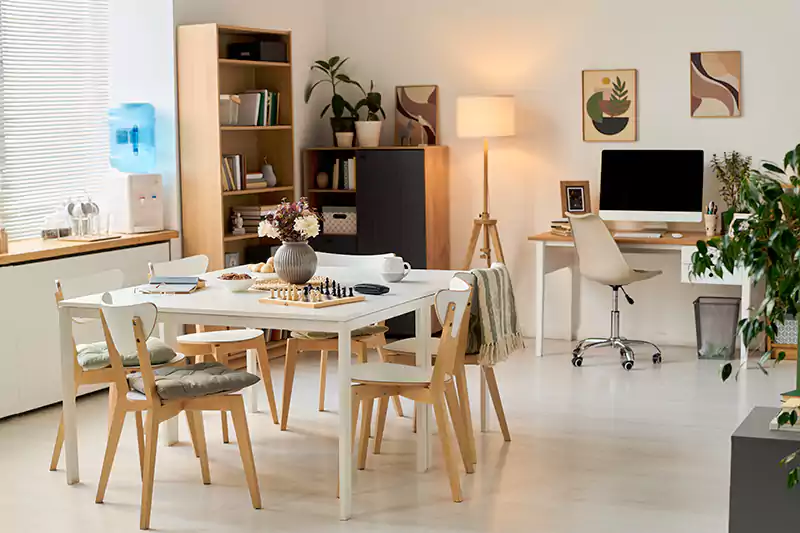
You know that feeling when you walk into someone’s home and just feel… amazing? Everything seems to fit. Nothing’s trying too hard. The space just makes sense.
That’s not luck. And it’s definitely not about having expensive furniture or following whatever’s trending on Instagram this week.
The fact is, rooms that actually work—the ones you can really relax in, or get things done in, or enjoy entertaining people in—follow some basic principles of how people actually use spaces. Not how we think we should use them or how they look in photos, but how we really live day to day.
Whether you’re fixing up your apartment, trying to make your home office less depressing, or just wondering why your living room never feels quite right, understanding these fundamentals changes everything.
Let’s break down what actually matters when you’re creating a space that works for real life.
Stop Thinking in Boxes: Your Rooms Need to Multitask
Remember when kitchens were just for cooking? When dining rooms only saw action on Sundays? Yeah, those days are long gone.
Here’s what actually happens in your home: That dining table? It’s where your kids do homework, you sort mail, you set up your laptop for video calls, and occasionally—when you remember to clear it off—you eat dinner. That’s not a design failure. That’s just life now.
The corner near your bedroom window probably does triple duty. Morning coffee spot. Reading in a chair in the afternoon. Phone scrolling before bed. One corner, three completely different uses.
Smart design doesn’t fight this reality—it embraces it. Instead of trying to force each room into one rigid purpose, think about how to make spaces flexible enough to handle whatever you throw at them.
A good console table does more than just sit there looking pretty. Put some baskets underneath for mail and keys. The top surface becomes a landing spot for packages or a place to style some decor. Need extra serving space during a party? It’s right there.
That ottoman in your bedroom? Sure, it’s somewhere to sit when you’re putting on shoes. But it’s also emergency desk space when you need to spread out papers, extra seating when friends come over, or a place to toss that pile of clean laundry that definitely isn’t staying there all week (but probably will).
The same goes double for offices. Cubicle farms are dying because nobody works exactly the same way all day. Some tasks need quiet focus. Others need collaboration. Some people think better while moving around. Build in variety—casual seating areas, phone booths for private calls, and open tables for spreading out projects—and you’ll see productivity actually improve.
The trick is giving each space enough definition that people understand its purpose, while leaving enough flexibility that it can shift when needs change. Because they will change. Your life six months from now will be different, and your space should be able to keep up.
Design for Real People, Not Pinterest Perfect
Okay, confession time: Magazine rooms are gorgeous. But have you ever tried to live in one? They’re often terrible at actually functioning as spaces where people spend time.
That Instagram-famous couch with cushions you can’t move? Looks wonderful. Feels like sitting on a wooden bench. Those towering stacks of coffee table books are impressive, aren’t they? Can’t actually use the table for coffee. All the white everything? Good luck if you have kids or pets or enjoy eating food that might stain.
Before you buy a single piece of furniture, consider who will be using this space and what they actually need to do here.
A family with toddlers and a couple in their 60s need completely different things. Someone working from home five days a week needs different setups than someone who just occasionally checks email from the couch.
Start with scale—and I mean your actual human body, not abstract “proportions.” Can you sit on that sofa with your feet touching the floor? Is it possible for you to reach the side table without doing yoga poses? Is the desk height actually comfortable for typing, or will you have shoulder pain in a week?
Lighting matters more than people realize. What about that trendy single pendant bulb hanging from a 14-foot ceiling? It’s basically a night light. You’ll squint at your phone trying to see anything. Layer your lighting—overhead for general brightness, lamps near seating, and task lights where you read or work. Your eyes will thank you.
And please, personalize your space. If you always kick off your shoes at the door, design for that. Put a bench there. Add storage. Make it easy to do what you’re already doing instead of fighting your natural habits. If you’re always freezing, arrange seating to catch afternoon sun and keep throws within reach.
Your home should fit you—your height, your habits, your weird routines—not the other way around.
Finding Balance: Not Too Much, Not Too Little
Ever been in a room that feels packed even though it’s not that small? Or another one that feels empty and awkward despite having furniture? That’s a density problem.
You want enough stuff to make a room feel finished and functional without tipping over into cluttered chaos. That sweet spot is different for everyone, but the underlying logic stays the same.
Think about what actually happens in each room. Is the living room mainly for watching TV with family? You need comfortable seating facing a screen, plus surfaces for drinks and snacks. Living room for hosting friends? You want seating that creates conversation areas where people can see each other’s faces without craning their necks.
Here’s something people miss: medium-sized furniture usually works better than extremes. That massive sectional might seat eight people, but it also eats your entire room and kills the traffic flow. A regular couch plus a couple of chairs gives you flexibility, looks more interesting, and doesn’t turn your living room into an obstacle course.
Use your vertical space. Most people ignore everything above eye level, which is honestly a waste. Tall bookcases, floating shelves, wall-mounted plants—they draw your eye upward and make rooms feel bigger while giving you more storage. Wall-mount your TV or computer monitor, and suddenly you’ve got desk space back.
And here’s the thing about empty space: it’s not wasted. Those pathways between furniture? That open floor area? That’s breathing room. That’s where your eye rests. Don’t feel like you have to fill every single corner. Sometimes less really is more, as annoyingly cliche as that sounds.
Creating Zones Without Closing Things Off
You don’t need to build walls to make different areas feel distinct. Some smart furniture placement and lighting does the trick.
Rugs are honestly your secret weapon here. Put an area rug under your seating arrangement and boom—instant living room zone. Another one under the dining table? The dining area is defined. The rug needs to be big enough that furniture legs actually sit on it, not just the front legs awkwardly touching the edge (that always looks weird).
The way you arrange furniture creates invisible boundaries. Put your sofa perpendicular to a wall instead of against it, and you’ve just made a room divider without building anything. A bookshelf between your living and dining spaces separates the areas while still letting light and sight lines through. In offices, plants or low dividers do the same job without that depressing cubicle feeling.
Lighting tells your brain what each zone is for. A pendant over the table = eating area. Desk lamp = workspace. Floor lamp next to the armchair = reading nook. Your brain picks up on these cues without you consciously thinking about it.
This zoning thing is especially useful in open floor plans or studio apartments where you really need some sense of separation between where you sleep, eat, and work. It helps your brain switch modes. Moving from the couch to the desk, even in the same room, signals to yourself that it’s work time now.
Best part? Unlike real walls, you can change these zones whenever you want. Hosting a party and need more open space? Push furniture around. Working from home now? Need an office zone? Rearrange. Your space adapts with you instead of locking you into one configuration forever.
Your Main Floor Makes or Breaks Everything
Whether it’s your house or your office, ground-level spaces set the tone for everything else. This is where life actually happens—entrances, gatherings, and the daily routines.
In homes, your entryway matters more than people think. It’s your transition zone from the outside world to your personal space. You need a place to drop keys, somewhere to sit while taking off shoes, hooks for coats, and maybe a mirror to check yourself before leaving. Make this area actually function, and your daily routine gets smoother.
Your kitchen and main living areas should connect logically. You shouldn’t have to navigate a maze to move between cooking, eating, and hanging out. Place items that are frequently grabbed within easy reach. Arrange seating so it catches natural light—nobody wants to sit in the dark corner.
If you’ve got access to outdoor space, make the most of it. Big windows, glass doors, or even just strategic plant placement bring the outside in and make rooms feel more open and alive.
In office buildings, ground floor design basically sets your company culture. A welcoming reception area says, “We care about first impressions.” A decent break room with actual seating encourages people to take real breaks and chat with colleagues. Conference rooms with windows and comfortable chairs make meetings slightly less soul-crushing.
Your ground-level spaces work the hardest and see the most use. Investing thought and effort here pays off every single day in how your space actually functions.
Final Thoughts
Good design isn’t about chasing trends or having your home look like a showroom. It’s about understanding how you actually live and building around that reality.
Mix up how you use spaces. Design for real human bodies and needs. Find that balance between too much and too little. Create distinct zones without walls. Make your main living areas really work.
Start small—pick one room and apply these ideas. Notice what makes your daily life easier or more comfortable. Adjust as you go. Your space should change as you do.
The end goal isn’t some perfect magazine-ready room. It’s creating a home or office where you feel genuinely comfortable being yourself. That’s what actually matters.
FAQs: Making Your Space Actually Work for You
How do I make a small room feel bigger without getting rid of furniture?
Employ tall shelving and wall-mounted storage to make use of vertical space and keep the floor free. Select medium-sized furniture over oversized pieces, keep pathways clear between furniture, and don’t feel like you have to fill every corner. Sometimes leaving some empty floor space actually makes rooms feel larger and less cramped.
What’s the easiest way to separate different areas in an open floor plan?
Area rugs are very useful—put them under furniture groupings to instantly define zones. Arrange your sofa or a bookshelf to create natural dividers without blocking light. Use different lighting for each area (a pendant over the dining table, a floor lamp by the reading chair) to signal what each space is for.
My home office needs to work for different types of tasks. Where do I start?
Create mini-zones within your office: a desk for focused computer work, a comfortable chair with a side table for reading or calls, and maybe a standing surface for variety. Good lighting that you can adjust is crucial, and keep storage close by so you can clear surfaces when switching between tasks.
Why does furniture scale matter so much?
Because you’re not designing for photos—you’re designing for actual human bodies. A too-deep sofa means your feet dangle uncomfortably. A too-high desk causes shoulder pain. Furniture that fits your proportions means you’ll actually enjoy using your space instead of constantly feeling awkward or uncomfortable in it.
What should I focus on first when redesigning my main living area?
Start with the way you actually walk through the space each day. Make sure there are natural pathways between rooms, add seating to take advantage of natural light, and create places for the activities you do most often. Your ground floor spaces get used all the time so focus on making those daily patterns comfortable and smooth before you worry about decorative details.
As my needs change, how can I make my space work better for me?
Stay away from built-in furniture that dictates one layout. Choose multi-purpose pieces (storage ottomans, extendable tables, room dividers on casters). Define zones with rugs and lighting that are easy to change. The trick is to build in flexibility from the beginning, so that changes later don’t require a complete redo.
