
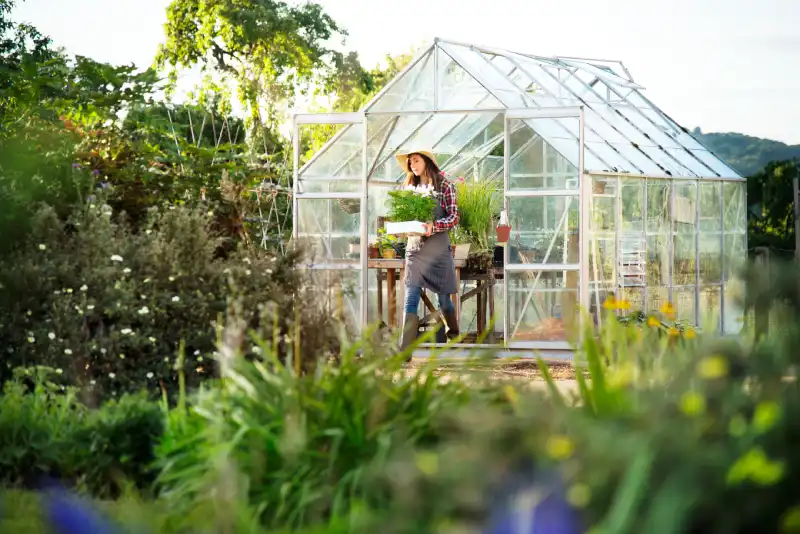
With winter just around the corner, the plants that you love and cherish could be in serious jeopardy. Cold and rainy days are on the way, and greenhouses are going to have severe issues in retaining heat, thus making it hard for your plants to survive. While you could put in a greenhouse heating system in your mini greenhouse, it can become a costly service. While you may not be able to spend the money on a heating system like that, there are inexpensive ways to be able to retain heat during those cold winter months. Here are some tips on being able to keep heat in your greenhouse in the upcoming winter.
Bubble Wrap
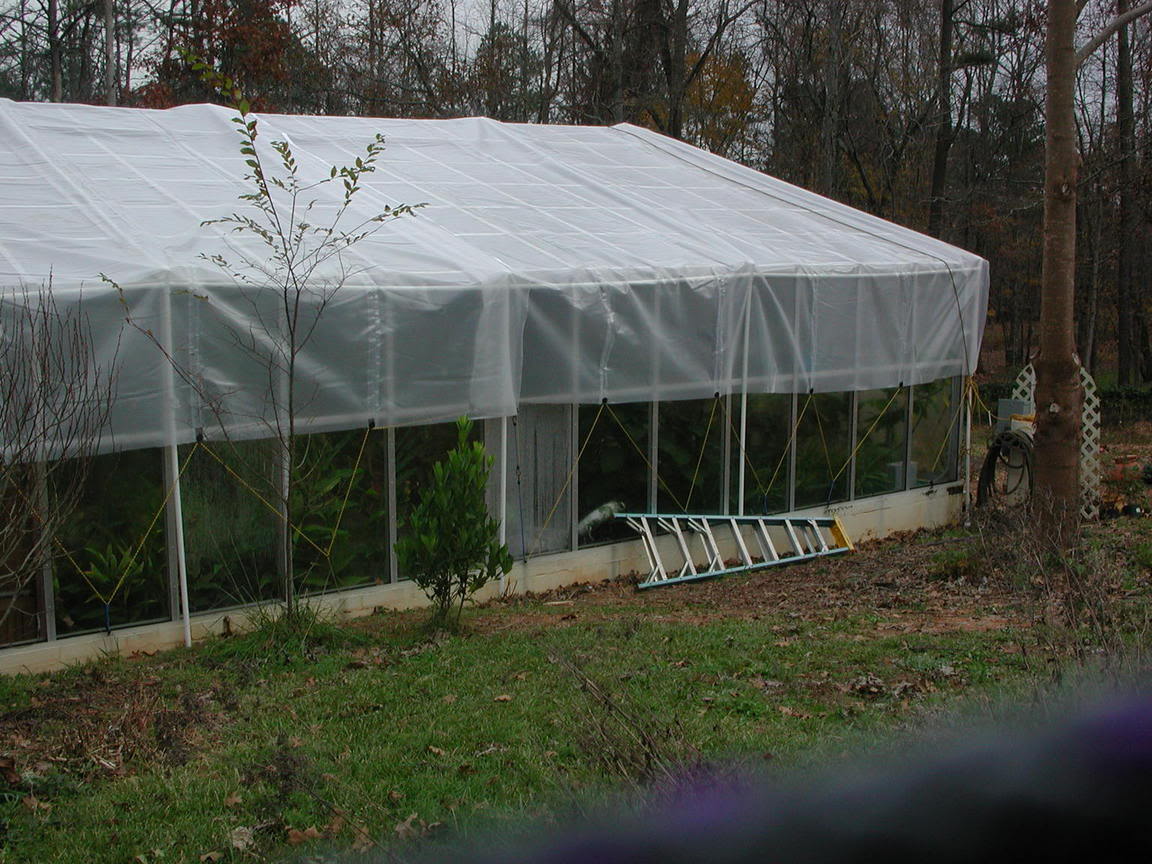
Just like fragile objects are wrapped in bubble wrap, your greenhouses can be covered in bubble wrap as well. A layer of large bubble wrap clipped within the frame of your mini greenhouses will help with reducing heat loss during the winter months. Even if your greenhouse is unheated, unique horticultural bubble wrap readily available from garden centers will help with heating your greenhouses. This will significantly increase heat retention and decrease the number of freezing drafts destroying your plants. Also, if buying horticultural bubble wrap, it’s essential to purchase it with large bubbles, as it is an excellent way of keeping UV stabilized and helps with allowing more light into mini-greenhouses.
Greenhouse Heating System

While having a continuous heating system in your mini greenhouses may be expensive, having a heating system in place is extremely important in keeping your plants alive in the greenhouse. Using a powerful electric fan heater in greenhouses is very helpful in continuing the growth of plants during the colder months. Electric fan heaters are great at continuously moving warm air around the greenhouse and significantly reducing the risk of the plants getting diseases, as well as any cold spots within the confined space.
With the positioning of electric air heaters within your mini or large greenhouses, it is paramount to keep them in an open space at one end of the greenhouse and avoid them being in contact with any water during the heating process. Another tip that is great for an air heater is to keep the direct airflow above plants as close to the heat as possible. This is due to a high chance of destroying the foliage of the plant with uninterrupted warm airflow.
Regular Use Of Thermostat And Thermometer

With the use of more large bubble wrap installations and greenhouse heating systems, it is essential to be able to keep track of the changing temperature during the colder months. In more advanced electric heating fans, thermostats are built in as a feature. This would allow your heating fan to turn itself on and off once it reaches certain temperatures within the greenhouse. Also, using a thermometer gives you an appropriate guide for times of the day that your heating system would be most effective.
FAQs: Heating Your Greenhouse During Winter
What is the best way to heat a greenhouse in winter?
The best method depends on your budget and climate. Combining insulation, passive solar heating, and an efficient heater (electric, gas, or propane) offers the most reliable results.
How can I heat a greenhouse without electricity?
You can use passive solar techniques, thermal mass (like water barrels), compost heating, and proper insulation to maintain warmth without relying on electricity.
What temperature should a greenhouse be in winter?
Most plants thrive between 18°C and 24°C (65°F and 75°F), but cold-hardy plants can tolerate lower temperatures. The ideal range depends on what you’re growing.
Are electric heaters safe for greenhouses?
Yes, electric heaters are safe when used properly. Choose models designed for greenhouse use with waterproof features and built-in thermostats.
How do I keep my greenhouse warm at night?
Use thermal mass, install insulation like bubble wrap, seal gaps, and consider using a heater with a thermostat to maintain consistent nighttime temperatures.
Can I use solar power to heat my greenhouse?
Yes, solar heating is an eco-friendly option. Passive solar design, solar panels, and heat-retaining materials can significantly reduce heating costs.
What is the cheapest way to heat a greenhouse?
The most cost-effective methods include insulation, compost heating, and using thermal mass to store and release heat naturally.
Do I need to insulate my greenhouse for winter?
Yes, insulation helps retain heat and reduces energy costs. Materials like bubble wrap, thermal curtains, or double-layer panels are commonly used.
Can compost really heat a greenhouse?
Yes, compost generates heat as it decomposes. When managed properly, it can provide a steady, natural heat source for small greenhouses.
How do I prevent heat loss in my greenhouse?
Seal all gaps, use insulation materials, add thermal mass, and minimize door openings to reduce heat loss and maintain stable temperatures.