

How do I make my apartment minimalist without it looking empty?
Cut clutter by curating only items you truly love, use smart hidden storage (furniture with built-ins, closet systems), choose neutral colors, add visual interest through patterns and textures, incorporate vintage accent pieces carefully, apply minimalism throughout (including bathrooms), and embrace purposeful empty space that creates calm rather than emptiness.
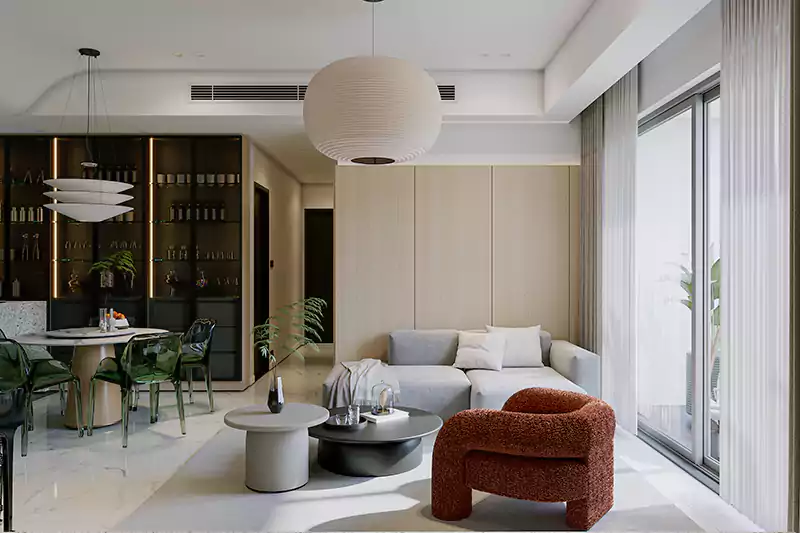
Most of us know the feeling of too much stuff in too little space. Maybe you’ve tried the Marie Kondo approach or have an annual attempt at spring cleaning, but you wonder: if you get rid of all your stuff, won’t your apartment just look so boring?
If you’ve wondered about minimalism but can’t quite seem to commit, you’re in the right place. We understand the struggle of becoming a full-blown minimalist, and we’re here to help you cut the clutter and turn your apartment into the minimalist home of your dreams.
Minimalism in your apartment decor doesn’t have to mean boring, empty spaces and getting rid of everything you love. Instead, it can mean choosing to prioritize the things that are truly important to you and keeping everything else simple and clean.
Here are our best tips for incorporating minimalism into your apartment decor.
Cut The Clutter

Okay, we said minimalism doesn’t mean getting rid of everything, but it does mean you should probably get rid of some things.
Minimalism is all about having clear, clean spaces. Tchotchkes and trinkets on end tables, dressers, and counters detract from this appearance, no matter how carefully curated your collection might be. And drawers and closets that are overflowing make it harder to maintain your minimalist home.
Remember, you don’t only have to keep useful things. There are ways to incorporate your salt-and-pepper shaker collection or your favorite pieces of artwork into minimalist decor.
But choose carefully. Curate your items rather than just keep them for their own sake. Get rid of anything you’re keeping out of obligation rather than affection.
Get Smart With Storage
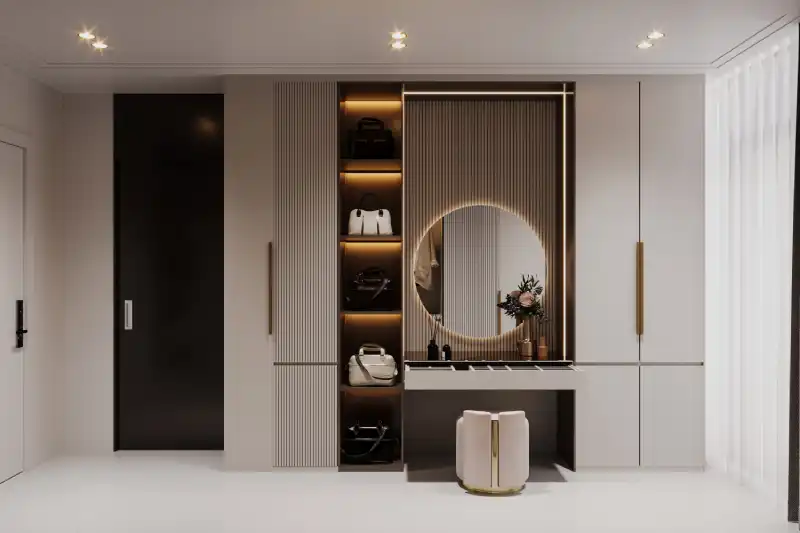
Once you’ve trimmed down your items, it’s time to keep the vast majority of them out of sight. Find creative ways to store items in closets, drawers, or other hidden spaces. If you have the resources to invest in a larger project, you can build or buy a custom storage solution to fit in the extra space you have available.
Furniture with built-in storage is a huge advantage when going minimalist. Hollow footstools and beds with storage underneath are useful when you wonder where to put all this stuff. Closet storage systems are also a huge advantage in keeping things tidy.
A key principle to remember when converting your storage to a minimalist theme is that you must carefully curate what can be seen and what can’t. Kitchen counters aren’t storage space, and neither is the top of your cabinets or that space behind your couch. Find a specific, hidden space for each item and be certain it always returns to its designated spot.
Use A Neutral Color Scheme

A minimalist apartment has no place for vibrant accent walls and funky rugs. The basic color scheme for your apartment should rely on neutral colors, with color and interest coming from carefully selected accent pieces and artwork.
There’s nothing wrong with plain white walls and gray floors and furniture. They maintain the clean and simple aesthetic of minimalism and reduce the stress of trying to match any new purchase to that bright blue couch.
Make Use Of Patterns & Texture

When you’re keeping a neutral color scheme, it doesn’t have to be boring. Using unique patterns and textures on your furniture, throw pillows, blankets, and other items can make it more interesting. You can create an eye-catching and unique room all in black and white with the creative use of patterns and textures.
Go Antique Or Vintage

Curating your collection of furniture, art, and other accent pieces is an important principle of minimalism. The unique pieces you choose and love make the space yours; they don’t have to follow any rules—the only requirement is that you truly love them and believe they add something to your space.
Antique and vintage shops are perfect places to find these unique accent pieces. You might find a kooky end table, antique movie posters, or any number of things that give a very distinct feel to your home. Don’t get carried away and start filling your home with antiques, but choose a few pieces now and then that bring something special to your apartment.
Don’t Forget The Bathroom
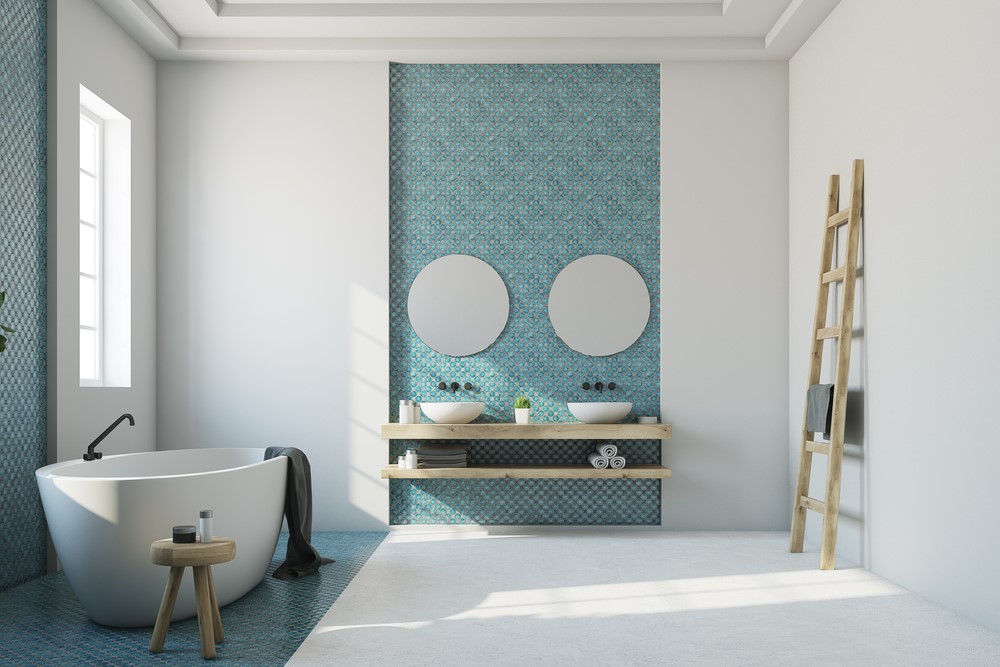
Going minimalist in your apartment means going minimalist everywhere—even the bathroom. Clear out your old medications and half-used lotions and create a neat and tidy space with set rules for what’s allowed in.
Consider finding matching containers to hold all your bathroom products, from shampoo to cotton swabs, so everything in your bathroom has a uniform appearance, and the dozen different shampoo bottles don’t look messy.
As far as the color scheme for your new minimalist bathroom, keep it simple. Brightly colored bathrooms may be on the rise, but the minimalist aesthetic calls for a neutral color palette. White all around is perfectly acceptable for any bathroom, and it’s even more on-brand for a minimalist one.
Don’t Be Afraid of Empty Space

At the heart of minimalism is simplicity, and that means being open to space. When you clear your counters of unnecessary clutter and get rid of that second mismatched end table in your living room, your space might feel too open and empty. After all, in a tiny space, you are expected to make use of every available inch, correct?
Sort of. In a minimalist home, less is truly more. That space adds simplicity and calm to your home, whether it’s in your living room or on your bedroom wall. It can take some getting used to, particularly if you’re going from a home crowded with stuff to a new minimalist apartment. But if you can maintain it, the peace from that purposeful emptiness will do wonders for you.
Go Minimalist Today
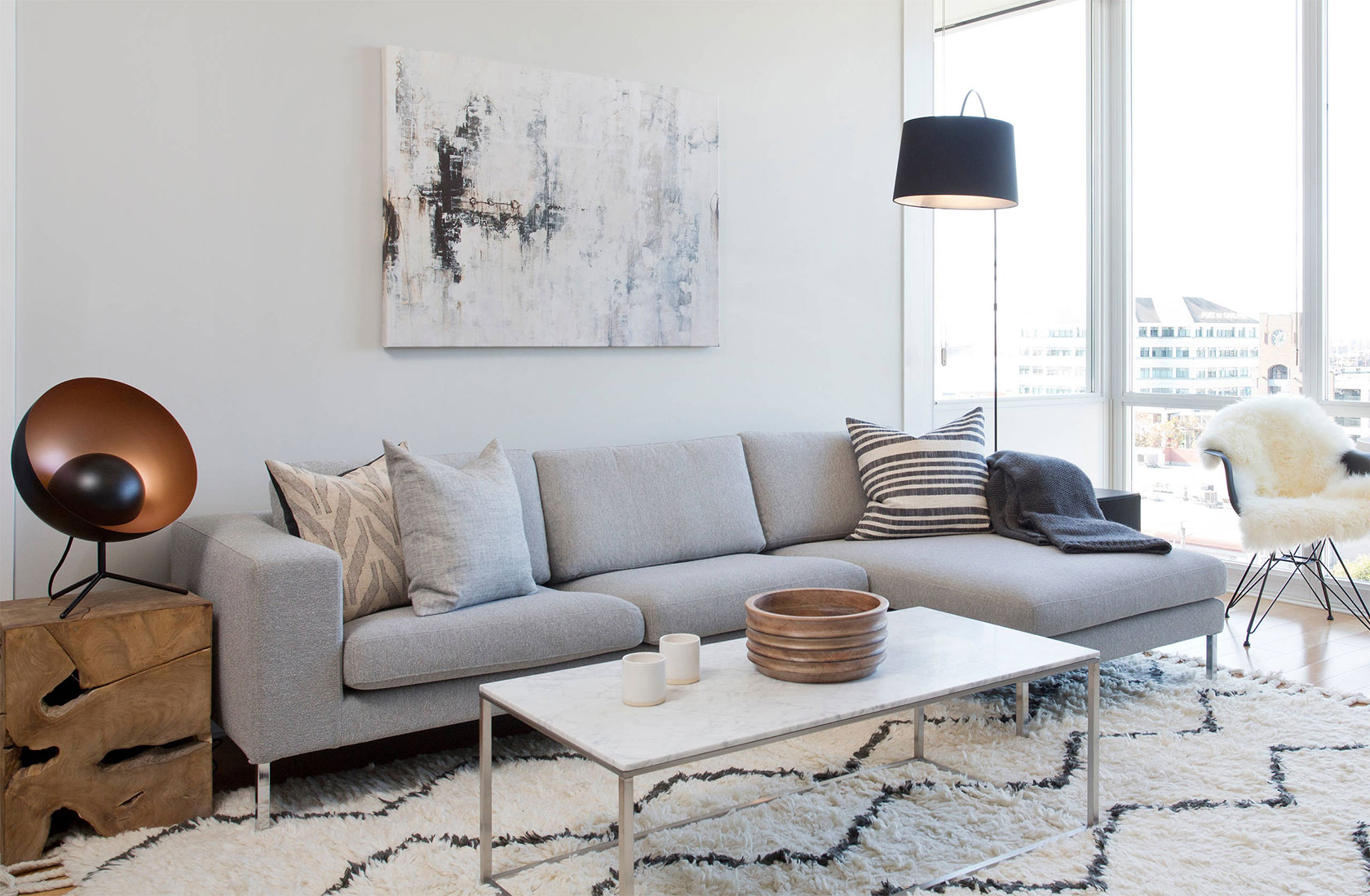
Converting your apartment into a minimalist dream space won’t happen overnight, but you can start taking steps toward it right now. Clear off your kitchen counters or start a pile of things you haven’t used in months. Start by getting organized in one room, and see if you’re ready to fully embrace minimalism.
Curate the things you love and cut out the things that only clutter. Your simple, minimalist life is waiting for you.
FAQs: Minimalist Apartment Decorating Guide
Does minimalism really mean getting rid of everything I love?
Absolutely not. Minimalism means carefully curating items you truly cherish while eliminating things kept out of obligation or habit. You keep what brings genuine joy and serves purpose. Salt-and-pepper shaker collections, favorite artwork, and meaningful pieces fit perfectly into minimalist décor when thoughtfully displayed. The goal is intentional curation rather than ruthless elimination. Your apartment should reflect what matters to you, just without unnecessary clutter obscuring these meaningful items.
How do I handle storage in a minimalist apartment?
Smart storage is fundamental to minimalism. Invest in furniture with built-in storage like hollow footstools, beds with drawers, and closet organization systems. Keep the majority of items hidden in designated spaces, never using kitchen counters, cabinet tops, or visible areas for storage. Matching containers and organizational systems maintain aesthetic consistency while concealing belongings. Each item needs a specific home and must always return to its designated spot. This approach maximizes usable space while maintaining clean, simple appearances.
What color scheme works best for minimalist apartments?
Neutral colors form the foundation of minimalist décor—whites, grays, blacks, and beiges create clean, calm spaces. These neutral bases eliminate stress over matching future purchases to vibrant accent walls or patterned rugs. Plain white walls and gray furniture maintain minimalist aesthetics beautifully. Color and visual interest come from carefully selected artwork and accent pieces rather than painted walls. This approach simplifies decorating decisions while creating timeless, peaceful environments that never feel dated.
How do I add visual interest to a neutral minimalist space?
Patterns and textures create fascinating depth within neutral color schemes. Mix geometric patterns, woven textures, throw pillows with unique designs, and textured blankets. Black-and-white combinations offer endless pattern possibilities, creating striking visual displays. Varied textures—smooth, rough, woven—add dimension without requiring color. Carefully placed artwork and sculptural pieces provide focal points. This approach eliminates color-coordination stress while creating sophisticated, eye-catching spaces that feel curated and intentional rather than bland or sterile.
Should I incorporate vintage or antique pieces into minimalist décor?
Yes, but strategically. Antique and vintage shops offer unique accent pieces that add character and personality. Select only items you genuinely love and believe enhance your space. These curated pieces should feel intentional rather than cluttered. A few meaningful vintage items make spaces distinctly yours while maintaining minimalist principles. Avoid accumulating excessive antiques—choose quality over quantity. Each piece should spark joy and contribute meaningfully to your overall aesthetic rather than becoming another collection requiring management.
How do I apply minimalism to my bathroom?
Bathrooms require the same minimalist attention as other spaces. Remove expired medications, half-used products, and unnecessary items. Transfer bathroom products into matching containers, creating a uniform appearance while eliminating visual clutter from multiple bottles and boxes. Choose neutral color schemes—white is perfect for minimalist bathrooms. Store items in organized drawers and cabinets, keeping counters clear. A minimalist bathroom feels spa-like and peaceful, eliminating daily stress from cluttered spaces. Small bathrooms especially benefit from simplified approaches that maximize usable space.
Why is empty space important in minimalist design?
Empty space creates simplicity and calm—the heart of minimalism. When you clear counters and remove extra furniture, resulting emptiness might initially feel uncomfortable. However, purposeful empty space adds serenity, reduces visual stress, and creates peaceful environments. This breathing room prevents your apartment from feeling cramped despite potentially limited square footage. Empty space doesn’t mean unused space—it’s intentional design allowing your curated items to shine while maintaining tranquility. Over time, you’ll appreciate the peace this purposeful emptiness brings.
Can I go minimalist in a small apartment without feeling cramped?
Absolutely. Minimalism actually works beautifully in small spaces, as it maximizes usable area. Smart storage hides belongings, freeing up visible space. Neutral colors make compact rooms feel larger and less visually overwhelming. Minimal furniture and empty surfaces create psychological spaciousness. Rather than filling small spaces to maximize every inch, minimalism recognizes that less makes a space feel more open and breathable. Many people find that small minimalist apartments feel larger and more comfortable than cluttered tiny spaces.
How should I start converting my apartment to minimalism?
Start small and progress gradually. Begin with one room—perhaps your bedroom or kitchen—clearing, organizing, and applying minimalist principles. Experience the benefits before expanding to other spaces. Create a pile of unused items as you identify candidates for removal. Test whether minimalism truly resonates with you before committing to an entire apartment. Small victories build momentum and confidence for larger projects. This gradual approach prevents feeling overwhelmed while allowing adjustments as you discover what works best for your lifestyle.
How do I maintain minimalism without it becoming difficult?
Establish clear rules for what enters your apartment—every new item should serve a purpose or bring genuine joy. Designate specific homes for everything, ensuring items always return to their spots. Regularly assess what you’re keeping to prevent gradual reaccumulation of clutter. Be honest about items you’re no longer using and remove them promptly. Focus on quality over quantity when acquiring new items. Maintenance becomes easier once initial decluttering completes—you’re simply preventing clutter buildup rather than managing excessive items. Consistency makes minimalism sustainable long-term.
