

How do I properly care for wood in my home?
Dust furniture regularly with soft cloths, oil and wax every three months to prevent drying, protect from direct sunlight to avoid fading, clean floors weekly with appropriate products, use furniture pads to prevent scratches, maintain termite barriers, and refinish floors every five years. Proper care extends wood’s lifespan significantly.
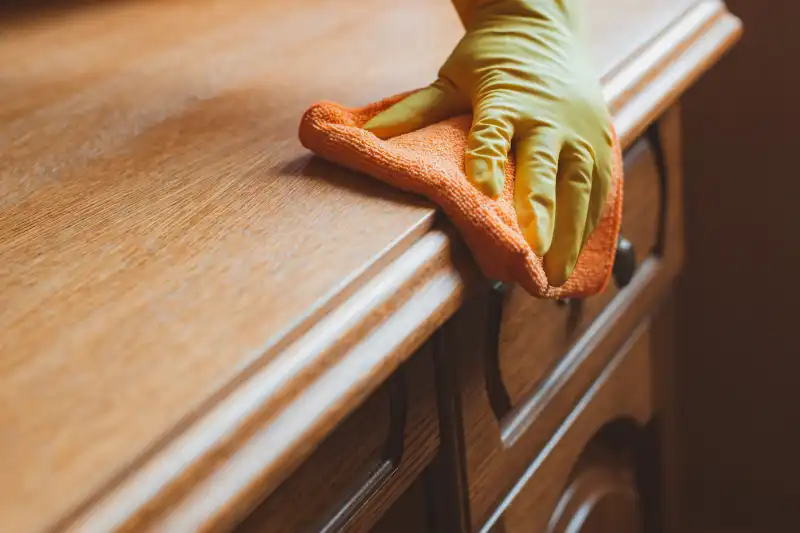
Apart from the wooden structural elements of our homes that keep the roofs over our heads, wooden floors and furniture add a special something to our homes. The warm finishes, beautiful grain, and pure nostalgia of wood make it an attractive choice for homes ranging in style from cottage chic to regal and majestic.
From structures to sideboards, we look at ways to protect and care for wood in the home. A few simple routines will ensure that wood has a longer useful lifespan and allow us to enhance the beauty of wood.
Structural Elements
Dunwoody pest controllers advise keeping untreated wood out of the yard, sealing up chinks, and ensuring termite barriers are intact to protect the wooden structural elements of our homes. We should also be alert to signs of roof leaks and ensure that wood is sealed and protected with appropriate coatings. From time to time, inspections can be carried out to look for signs of trouble and address their causes before damp or wood-boring insect pests can cause extensive (and costly) damage.
Furniture
To begin with, regular dusting with a soft cloth or feather duster keeps wood looking fresh and clean. But what few people know is that direct sunlight can fade finishes and cause “spotting.” If the sun streams through your windows, keep wooden furniture away from its rays or use a covering to protect the wood.
Oiling feeds the wood, preventing it from drying out, and waxing creates a protective layer. Three-monthly oiling and waxing will work wonders for keeping your wooden furniture in good condition and enhancing the beautiful luster of the wood.
If your wooden furniture needs a wipe-down, use warm water without harsh cleaning agents and dry up all the excess with a paper towel afterward. Very hot or cold items and sharp objects should not rest directly on wooden surfaces. Invest in placemats, coasters, and trivets to protect the wood.
Wooden Floors
Wooden floors inevitably scratch and scuff over time, but you can delay this by using furniture pads and encouraging household members to dispense with shoes at the door. Despite your best efforts, however, they will likely need sanding and refinishing every five years or so.
Meanwhile, avoid using microfiber cloths and mops since they are surprisingly abrasive. Ensure that any spills are cleaned up immediately to prevent the wood from absorbing it in spots where the coating has been compromised. Clean wooden floors using a soft broom, a string mop, and a vacuum at least weekly to pick up any little particles that may have become lodged between floorboards. Never use harsh chemicals or soaps. Instead, look for products specifying that they are made for use on wooden floors.
Wood: Always A Decor Favorite
Wooden furnishings and floors are old favorites. Apart from their great looks, they’re surprisingly low-maintenance and easy to clean. When they start to look tired, it’s easy to refinish wood, but a little care can ensure that you need to do so less frequently.
As for wooden structural elements, they’re often invisible but of vital importance. Annual inspections will tell you whether anything needs to be done to keep them in shape. All in all, wood will always be important to us, either in building our homes or furnishing them, and a little care goes a long way.
FAQs: Protecting and Caring for Wood in Your Home
How often should I oil and wax wooden furniture?
Oil and wax wooden furniture every three months to maintain optimal condition. Oiling feeds the wood and prevents drying and cracking, while waxing creates a protective layer that enhances luster and shields against minor damage. This quarterly routine keeps furniture looking beautiful and extends its useful lifespan significantly compared to neglected pieces.
Can direct sunlight damage my wooden furniture?
Yes, direct sunlight causes serious damage to wooden furniture by fading finishes and creating uneven spotting over time. Position furniture away from windows where sun streams through, or use curtains and blinds to block harmful UV rays during peak hours. This simple precaution preserves wood’s original color and finish for years longer than sun-exposed pieces.
What’s the best way to clean wooden furniture safely?
Use warm water without harsh cleaning agents for wiping wooden furniture, then immediately dry all excess moisture with paper towels or soft cloths. Avoid chemical cleaners that strip protective finishes. For daily maintenance, dust with soft cloths or feather dusters. Always use placemats, coasters, and trivets under hot, cold, or sharp items to prevent direct surface damage.
How can I prevent scratches on hardwood floors?
Install furniture pads under all chair and table legs, encourage household members to remove shoes at entry doors, and avoid dragging heavy items across floors. Use area rugs in high-traffic zones for added protection. Despite preventive measures, hardwood floors naturally develop some scratches over time and typically need professional sanding and refinishing every five years to restore their appearance.
What cleaning tools should I avoid using on wooden floors?
Never use microfiber cloths or mops on wooden floors—they’re surprisingly abrasive and cause scratching despite appearing soft. Avoid harsh chemicals, soaps, and cleaning products not specifically formulated for wood floors. Instead, use soft brooms, string mops, and vacuums weekly to remove particles. Clean spills immediately to prevent moisture absorption where protective coatings have worn thin.
How do I protect wooden structural elements from pest damage?
Keep untreated wood away from your property, seal cracks and gaps in foundations and walls, maintain intact termite barriers, and schedule annual professional inspections. Watch for signs of wood-boring insects like sawdust piles, small holes, or hollow-sounding wood. Early detection prevents extensive structural damage that becomes extremely costly to repair compared to preventive maintenance.
What causes moisture damage to wooden structures?
Roof leaks, poor ventilation, foundation moisture, and inadequate sealing allow water to penetrate wooden structural elements, causing rot, warping, and weakening. Regularly inspect roofs for leak signs, ensure proper drainage around foundations, seal wood with appropriate protective coatings, and maintain adequate ventilation in attics and crawl spaces. Address moisture sources immediately before damage spreads.
How often do wooden floors need refinishing?
Wooden floors typically require professional sanding and refinishing every five years, though timing varies based on traffic levels and maintenance quality. High-traffic areas may need attention sooner, while well-maintained floors in low-traffic spaces last longer between refinishing. Regular cleaning and preventive care extend the time between expensive refinishing projects while keeping floors looking attractive.
Should I use different care methods for antique versus new wood furniture?
Antique furniture requires gentler handling with less frequent cleaning and specialized products formulated for aged finishes. Avoid over-oiling antiques, which can darken patinas undesirably. Modern furniture tolerates more frequent maintenance and standard wood care products. Consult antique specialists before treating valuable vintage pieces, as improper care can significantly reduce their value and damage irreplaceable finishes.
Is it worth the effort to maintain wood versus replacing it?
Absolutely. Regular wood maintenance costs minimal time and money compared to replacement expenses. Simple routines like dusting, quarterly oiling, protecting from sunlight, and preventive measures preserve wood’s beauty and functionality for decades. Quality wooden furniture and floors represent significant investments that reward proper care with enhanced appearance, extended lifespan, and maintained property value far exceeding the maintenance effort required.
