

Restoring Your Home After Fire Damage: Essential Steps
After a fire, act immediately: secure the property, document damage, contact your insurance, and dry affected areas within 24-48 hours to prevent mold. Remove debris safely, clean soot residue promptly, and hire certified fire restoration professionals. The restoration timeline typically spans 2 to 6 weeks, depending on the severity. Key priority: address water damage from firefighting efforts to avoid secondary issues like structural weakening and mold growth.
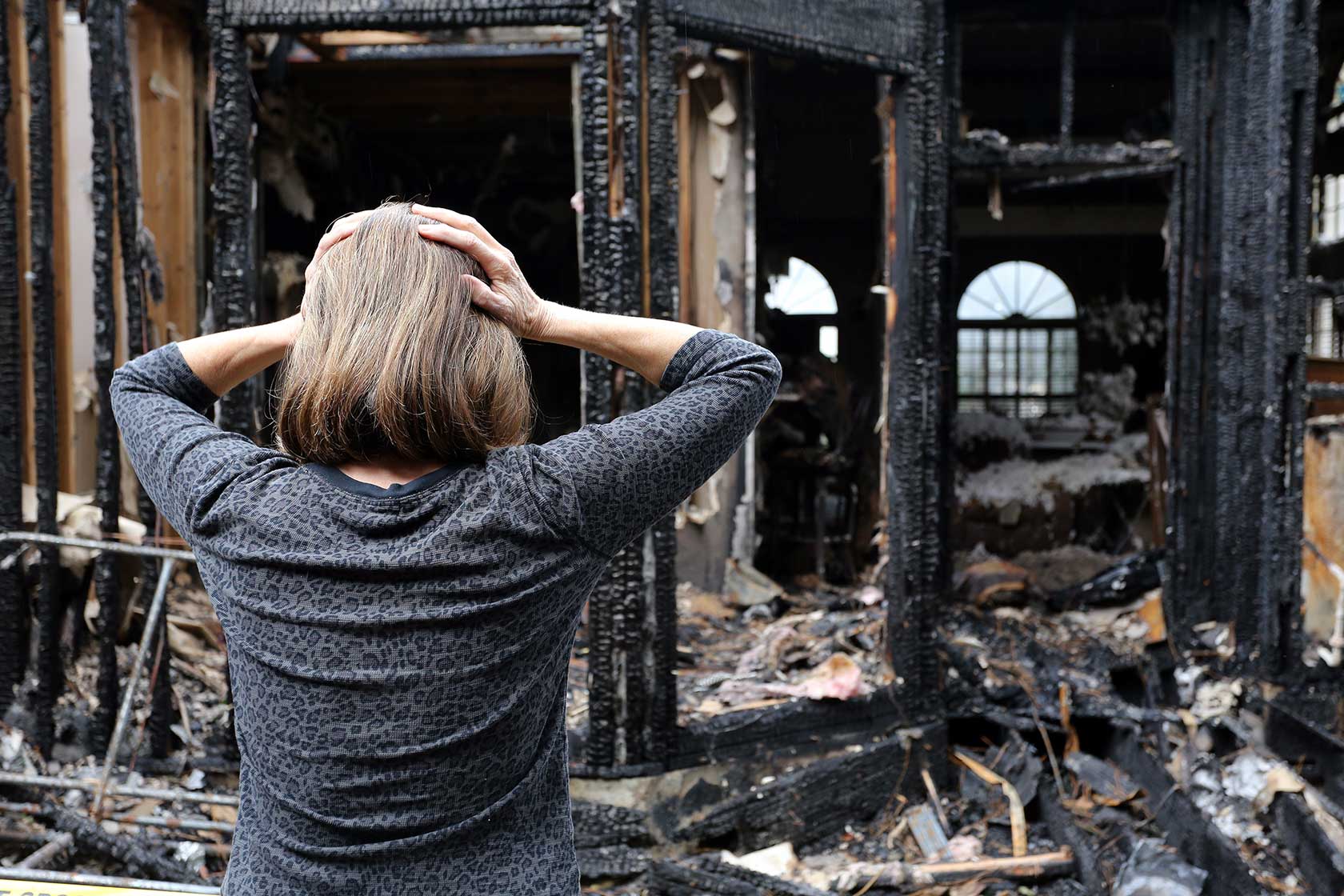
Fires are a prevalent cause of accidents. When you hear a fire alarm, a tense atmosphere spreads all around you. You should not panic and gather your family to escape the region.
Among the ashes, the fire burns many artifacts of personal and sentimental significance. This type of situation may be incredibly upsetting. There are several levels of damage resulting from the water and smoke damage produced by the fire. This blog explains the restoration techniques that you must perform following fire and water damage.
Securing Your Home’s Perimeter
A fire might cause multiple holes in the roof, windows, and doors. It exposes and affects several regions. Once the fire is down, you should get in touch with your insurance company.
The insurance company will help secure your house by taking necessary steps such as closing the open holes and covering windows with planks to prevent any invasion. They will hire a restoration company to do this job.
Drying The Affected Area
Even if you are not aware of it, fire can cause water damage. In case of a massive fire, the internal pipeline and electricity may even melt down.
Excess water may cause the items to degrade further, and if not dried, mold may grow on them. The firefighters thus may need to use a considerable volume of water to tackle the situation. Firefighters receive proper training for tackling these incidents. They have specialized tools that can reduce this water damage and the dampness in the area.
Trash Removal And Cleaning
The fire not only ruins the building’s façade, but it also has an impact on everything within it. The next job is to separate valuable objects from rubbish. It would help if you properly disposed of the garbage while keeping disposal safety standards in mind.
You must throw food, whether packed or unpackaged, because the poisonous mist of smoke may render it unsuitable for consumption. The same may be said about clothes. To eliminate skin infections, you should remove burnt garments and carefully clean other items before wearing them. You might also call a professional company that restores fire and water damage for the cleaning.
The Corrosive Nature Of Soot And Water
Simply putting out the fire will not reduce the damage. Fire damage also produces a lot of smoke and soot particles.
If the water is not completely dried off, mold will grow on it, rendering it unsuitable for further use. The soot particle will mix with water and produce chemicals that can further harm the things in your house. Soot can leave behind long-lasting stains and discoloration. To minimize future fire and water damage, clean up your regions as quickly as feasible.
Call Your Insurance Company
Once you have settled down, you must call your insurance company and explain the incident in detail. You must listen to them carefully, as they will help you with the next steps in the process. Following that, you may be assigned an adjuster who will present you with the claim amount.
A reputable repair business can even assist you with the procedure and communicate with your adjuster. They can help you with better claims and even the documentation procedure. This assistance will help to alleviate some of your stress.
Begin Repairing And Moving
In case of a fire incident, you cannot start the restoration work until all the standard procedures are completed. It would help if you started with project restoration once you had received all authorization. They will restore your house to a better condition.
Before hiring a company, explore all the alternatives that are available to you. You should get free estimates from companies and see which one suits your needs. In addition, a restoration company will have cutting-edge equipment, chemicals, and cleaning agents available, which will be more efficient.
Last but not least!
Such incidents exhaust you financially as well as emotionally. The house is a sacred place built with so many sentimental things that no restoration can ever restore it. But in this hour of darkness, you should stay optimistic and calm so you can fix the place. You should also hire a reputable water and fire restoration company for the process.
FAQs: Restoring Your Home After Fire Damage
What should I do immediately after a fire damages my home?
First, ensure everyone’s safety and wait for fire department clearance before entering. Contact your insurance company immediately to start the claims process. Secure the property by boarding up openings to prevent further damage or intrusion. Document all damage with photos and videos before cleanup begins. Avoid disturbing the scene until your insurance adjuster inspects the property.
How long does the fire damage restoration process typically take?
The timeline varies based on the severity of the damage, but most residential fire restorations take 2 to 6 weeks. You can resolve minor smoke damage in days, while extensive structural damage requiring rebuilding can take several months. Factors affecting duration include insurance processing speed, contractor availability, material lead times, and the extent of water damage from firefighting efforts.
Why is water damage a concern after a house fire?
Firefighters use significant amounts of water to extinguish flames, which can saturate walls, floors, and belongings. If not dried within 24-48 hours, this moisture leads to mold growth, wood rot, and structural deterioration. Water can also mix with soot to create acidic compounds that cause further corrosion and staining. Professional water extraction and drying equipment are essential to prevent these secondary problems.
Can I clean up fire and smoke damage myself, or do I need professionals?
While you can handle minor smoke odor and surface soot in small areas, professional restoration is recommended for significant damage. Experts have specialized equipment like ozone generators, thermal foggers, and industrial dehumidifiers that effectively remove embedded smoke odors and soot. They also understand which materials can be salvaged versus replaced, preventing costly mistakes and ensuring thorough cleanup that meets safety standards.
What items should I throw away after a fire?
Discard all food items, including unopened packages, as toxic smoke particles penetrate packaging. Dispose of charred or heavily smoke-damaged clothing, cosmetics, medicines, and anything with melted plastic components. Porous materials like mattresses and upholstered furniture that absorbed smoke are typically unsalvageable. However, specialized content restoration services may professionally clean items with sentimental value.
How do I choose a reputable company for fire damage restoration?
Seek companies with IICRC (Institute of Inspection, Cleaning and Restoration Certification) credentials, proper licensing, and comprehensive insurance coverage. Check online reviews, ask for local references, and verify they offer 24/7 emergency response. Request detailed written estimates from multiple companies, and confirm they have experience working with your insurance provider. A trustworthy company will conduct a thorough inspection before providing a restoration plan.
Will my homeowner’s insurance cover fire damage restoration costs?
Most standard homeowner’s insurance policies cover fire damage, including structural repairs, content replacement, and temporary living expenses if your home is uninhabitable. However, coverage limits and deductibles vary by policy. Review your policy details and document all damaged items with photos and receipts. Your insurance adjuster will assess the damage and determine covered expenses. A restoration company familiar with insurance claims can help maximize your settlement.
How dangerous is soot residue left after a fire?
Soot contains toxic chemicals, acids, and carcinogens that pose serious health risks through skin contact or inhalation. When mixed with moisture, soot becomes corrosive and causes permanent staining and material degradation. Wear protective equipment including N95 masks, gloves, and eye protection when near soot. Professional cleaning is crucial because household cleaners can actually set soot stains permanently, making them impossible to remove later.
What’s the difference between fire damage and smoke damage restoration?
Fire damage involves the actual burning and charring of materials, which requires structural repairs or replacement. Smoke damage affects areas not directly burned, leaving soot deposits, discoloration, and persistent odors that penetrate porous materials. Smoke restoration focuses on deodorization, cleaning surfaces, and treating fabrics and air ducts. Both require different techniques—fire damage needs reconstruction, while smoke damage requires specialized cleaning methods and odor elimination technology.
How can I prevent permanent odor problems after fire damage?
Act quickly—smoke odors become harder to remove as they set into materials over time. Professionals use thermal fogging, ozone treatment, and hydroxyl generators to neutralize odors at the molecular level rather than masking them. Remove and replace heavily affected porous materials like carpeting and drywall. Clean all surfaces, including hidden areas like wall cavities and ductwork where smoke particles settle. Avoid using air fresheners or candles, which only mask odors temporarily.
