

How do I choose and execute a restaurant décor theme?
Let your menu guide theme selection (Italian cuisine suggests Tuscan design). Consider the dining experience type—casual vs. fine dining requires different approaches. Prioritize durable materials like restaurant tabletops and reclaimed wood. Ensure durability throughout. Use artwork strategically in waiting, dining, and restroom areas to reinforce the theme cohesively throughout your space.
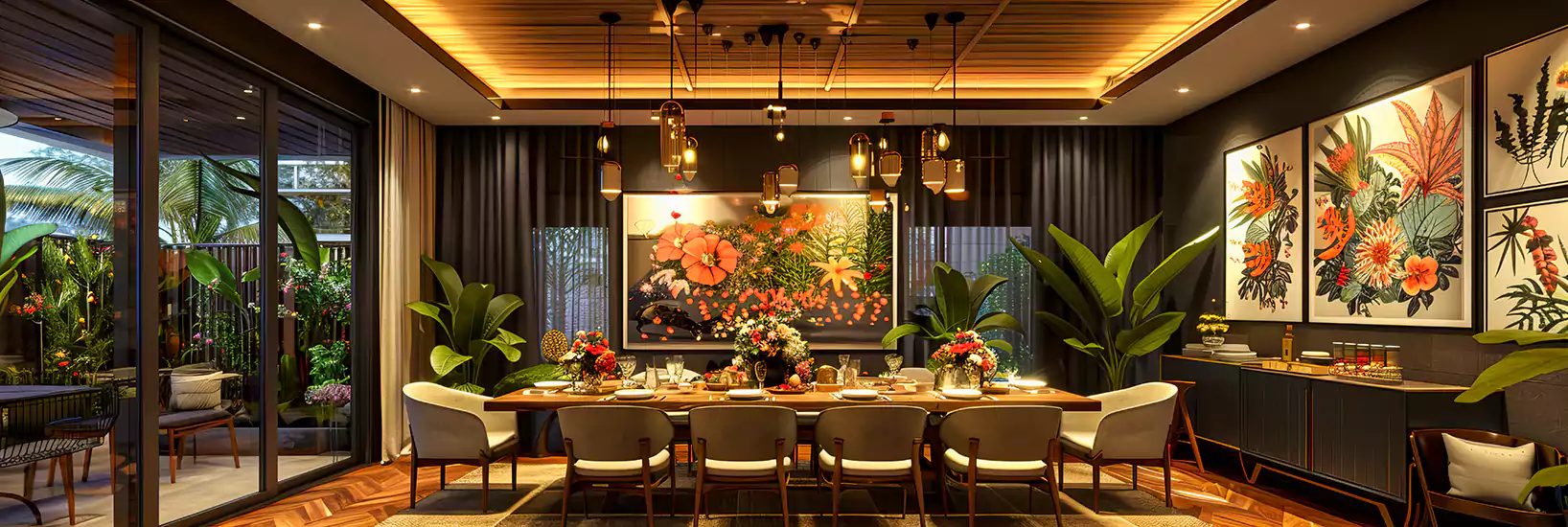
As a restaurateur, you understand better than anyone just how important the look and style of your restaurant are when it comes to its success. More often than not, the look of the place is as important as the quality of the food you serve, if not more so. With that said, you want to create a unique space that reflects the food you will serve and attracts the kind of customer you want.
Most find that picking a décor theme or style is the best place to start, and from there, it can be used to design the space since it offers direction. But how do you go about choosing that décor theme or style, and how can you ensure it flows throughout the entire space? Here are some tips that will help you in the process.
Let the Menu Guide You

For many restaurateurs, a natural way to choose the décor theme or style is to let the menu guide them. For example, perhaps you will be serving traditional Italian cuisine. If that’s the case, why not pick a region in Italy and use it to shape your décor, creating a space that feels as if you’ve stepped right into Italy?
By letting the food guide your décor choices, the process will automatically create flow, as everything will make sense and work together.
What Kind of Dining Experience Will You Offer?

Another aspect to consider relates to the type of dining experience you are trying to create. For example, a casual fast-food restaurant has decor that is vastly different from that of a fine dining establishment. Table size and placement, lighting, flooring, and the decor touches will all be entirely different in the two settings.
Don’t Forget Durability

Of course, it can be tempting to focus on making things look appealing and unique, but as you work toward that design flow, remember to consider durability. Choosing materials that make sense in a restaurant setting and that will withstand daily use means you will have to replace and repair them less often. For example, standard restaurant table tops are an incredibly durable option and can even serve as inspiration for the rest of the restaurant design.
Make Use of Artwork

One of the best tricks for creating a sense of style and enhancing your theme is to hang artwork throughout the restaurant. This means that artwork is displayed in the waiting area, the dining area, and even in the washrooms. Artwork helps to add interest, of course, but it also can help to set the tone in the space, add color to the walls, and provide visual interest.
Each of these tips will help you to start to form a design plan and then execute it successfully and stylishly.
FAQs: Choosing Restaurant Décor Themes
How does your menu guide the selection of décor themes for your restaurant?
Your menu is the perfect starting point for décor direction. If serving Italian cuisine, select a specific Italian region and build décor around it. Spanish tapas restaurants benefit from Mediterranean themes. Japanese concepts work beautifully with minimalist, modern designs. Aligning décor with your food creates natural cohesion where everything makes sense and works together harmoniously, creating authentic experiences guests appreciate.
Why does the type of dining experience matter for restaurant décor?
Casual fast-food restaurants and fine dining establishments require entirely different décor approaches. Casual venues feature bright lighting, simple furniture, quick-service layouts, and minimal ornamentation. Fine dining demands sophisticated ambiance through elegant table settings, softer lighting, artwork, and premium materials. Understanding your target customer and service model guides all subsequent design decisions, ensuring cohesive, appropriate atmospheres.
Why is durability crucial in restaurant décor?
Restaurant environments experience heavy wear and tear from constant use. Durable materials prevent frequent replacements and repairs that disrupt operations and increase costs. Standard restaurant tabletops, quality flooring, and resilient furniture withstand daily demands while maintaining aesthetics. Balancing beautiful design with practical durability ensures your restaurant looks professional long-term while minimizing maintenance expenses.
How do I select durable restaurant tabletops?
Standard restaurant tabletops are engineered for heavy use, easy cleaning, and durability. Options include laminate, solid wood, reclaimed wood with protective finishes, and composite materials. Reclaimed wood tabletops offer rustic charm while withstanding regular use when properly finished. Consider style, maintenance requirements, and aesthetic goals alongside durability when selecting tabletops that serve as your restaurant’s foundation design elements.
Can rustic wooden tables work in modern restaurant themes?
Yes, rustic wooden tables and reclaimed wood tabletops work beautifully in various themes beyond traditional rustic designs. Modern industrial restaurants benefit from distressed wood combined with metal fixtures. Contemporary concepts can feature reclaimed wood with minimalist supporting décor. The key is balancing rustic elements with other design components, creating intentional, cohesive aesthetics rather than clashing styles.
Where should I place artwork in my restaurant?
Distribute artwork strategically throughout your entire restaurant: waiting areas, dining spaces, and restrooms. This consistent placement reinforces your theme throughout the customer journey while adding visual interest to otherwise plain walls. Artwork sets tone, adds color, provides conversation starters, and creates sophistication. Strategic artwork placement transforms generic spaces into intentional, themed environments guests remember and appreciate.
How do I maintain theme cohesion in small restaurant spaces?
In limited space, every design element must work toward your theme. Choose 2-3 primary colors that coordinate throughout. Select tabletop styles complementing your theme consistently. Use artwork to reinforce aesthetics. Minimize unnecessary elements that distract from your core design. Thoughtful curation creates cohesive experiences in small spaces, making tight environments feel intentional and professionally designed rather than cramped.
What’s the difference between themed and non-themed restaurants?
Themed restaurants deliberately execute a specific aesthetic reflecting cuisine, region, or concept throughout the entire space. Non-themed restaurants focus primarily on comfort and functionality without elaborate design direction. Themed restaurants create memorable experiences and stronger brand identity, though they require more careful execution. Both approaches can succeed when executed competently and aligned with target market expectations.
How do I avoid clashing décor elements in my restaurant?
Start with a clear theme direction before selecting any elements. Establish a color palette, material strategy, and design vocabulary. Ensure all major pieces (tabletops, flooring, and wall treatment) support your primary theme. Evaluate new additions against your established direction before purchasing. This intentional approach prevents accumulating random pieces, creating visual chaos. Consistency transforms restaurants from cluttered into curated.
Should my restaurant theme match my restaurant’s name?
Your theme doesn’t have to match your restaurant name exactly but should feel authentic and aligned. Mismatches between name and décor create confusion about what to expect. If your name suggests Italian cuisine, Mediterranean or regional Italian décor works naturally. Conversely, you can build unique themes around less literal names when execution is thoughtful and cohesive. Authenticity matters more than literal interpretation.
