

How does the injection molding process work?
The five-step process includes selecting compatible thermoplastic and mold, feeding raw pellets into a heated barrel for melting, injecting molten plastic into a closed mold under clamp pressure, holding and cooling the plastic to set shape, and then ejecting finished parts for finishing processes like polishing or trimming.
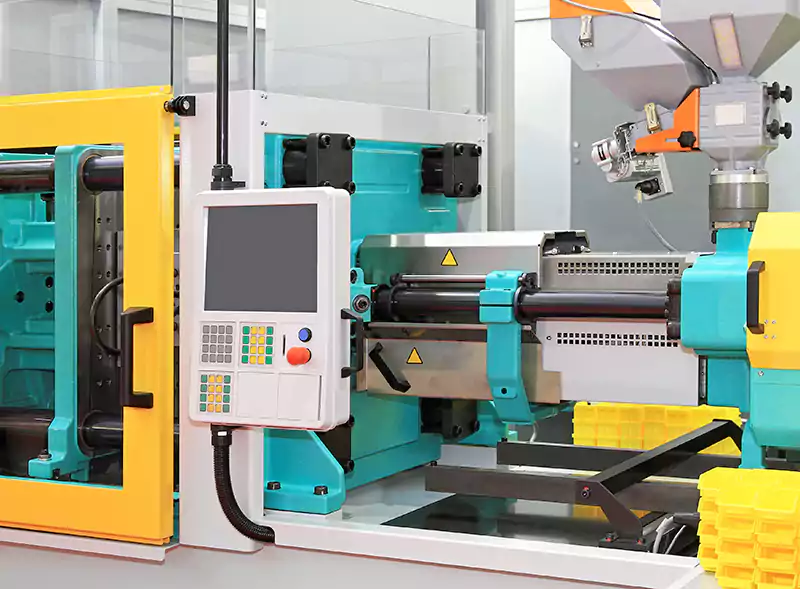
The injection molding process may seem easy on the surface; however, it can be more complicated than it looks. Although the mold is designed and the plastic injection machine is functioning well, if the process is not closely monitored and controlled, it may affect the outcome of the finished product.
Having an in-depth understanding of the injection molding process will help manufacturers identify the best plastic components to use in producing quality plastic parts.
Step 1: Selecting The Right Thermoplastic And Mold
Before the actual process begins, manufacturers must be sure of how the thermoplastic and mold interact together. Not all plastics are applicable in every mold design. Depending on the requirements, mold tools can be designed to create several or complex parts. These molds are often made from solid materials like steel or aluminum. Hence, choosing a suitable thermoplastic is imperative so there will not be any reaction with the mold. Each thermoplastic has unique properties, and these properties will determine where and how to use it. Once the thermoplastic and mold are tested and declared compatible, the molding process can begin.
Step 2: Feeding And Melting The Thermoplastic
Plastic injection machines can be powered by hydraulics or electricity, although electric-powered injection molding machines save more energy costs. The basic plastic injection machine consists of a feeder, a barrel (with a large injection screw attached), and a mold tool. The process begins by feeding raw pellets of the chosen thermoplastics into the hopper. Then the pellets are fed into the barrel of the machine. The heat from the barrel gradually melts the thermoplastic into a molten state. Maintaining the right temperature will ensure the plastic can be injected seamlessly and the final part is formed correctly.
Step 3: Injecting The Plastic Into The Mold
After the molten plastic gets to the end of the barrel, the gate closes, and the screw moves back. This gathers a set amount of plastic and prepares the pressure to insert it into a mold. The mold closes and is held under high pressure, called clamp pressure. This particular process should be closely monitored so that no plastic is allowed to escape during the injection.
Step 4: Holding And Cooling Time
After the plastic is injected into the mold, it is held under clamp pressure for some time. The holding time could be seconds short or minutes long, depending on the thermoplastic used. The holding time ensured that the plastic fully conformed to the mold’s shape, allowing it to be removed correctly.
After the holding phase, the screw releases pressure and cools the plastic in the mold. The cooling time can also last from a few seconds to a few minutes. The cooling time allows the product to set correctly in the mold before it is removed.
Step 5: Ejection And Finishing Processes
After the holding and cooling time, the part is ejected from the mold. After ejection, the part is dropped into a compartment at the end of the machine. Occasionally, the products or items can only be final when they go through the last finishing process, like polishing, dying, and removing excess plastics. Once these processes are complete, the products will be ready, packed, and sent out for distribution.
FAQs: Understanding Injection Molding Process
Why is thermoplastic-mold compatibility so important?
Thermoplastic and mold compatibility directly impacts product quality and manufacturing success. Not all plastics work with every mold design—incompatibility can cause reactions, deformation, or structural failure. Testing and declaring compatibility before production prevents costly mistakes. This preliminary step determines whether the manufacturing process will succeed or fail entirely.
What role does temperature control play in injection molding?
Temperature control during the barrel melting phase is essential for seamless plastic injection and correct final product formation. Maintaining proper temperature ensures the thermoplastic reaches an optimal molten state for flowing into mold cavities. Incorrect temperature prevents proper injection or causes product defects. Precise temperature monitoring is non-negotiable for quality plastic part production.
What is clamp pressure in injection molding?
Clamp pressure is the force holding the mold closed while molten plastic is injected. This high pressure ensures that no plastic escapes during injection and that the plastic fills every mold cavity completely. Clamp pressure must be carefully monitored—insufficient pressure causes leaks, while excessive pressure damages equipment. Proper pressure management directly affects part quality and machine longevity.
Why is holding time important after injection?
Holding time ensures the plastic takes the complete form and shape of the mold before cooling begins. Duration varies from seconds to minutes depending on thermoplastic type and part complexity. Adequate holding time prevents incomplete filling, surface defects, and dimensional inaccuracies. This phase is critical for ensuring finished parts meet specifications.
How does cooling time affect plastic part quality?
Cooling time allows the plastic to solidify and set correctly within the mold before ejection. Rushing cooling causes incomplete hardening and warping, while extended cooling ensures proper part hardness and dimensional accuracy. Cooling duration depends on part size and thermoplastic properties. Proper cooling prevents defects and ensures quality finished products.
What finishing processes follow plastic part ejection?
Post-ejection finishing includes polishing, dyeing, and removing excess plastic (gates and runners). These processes complete the product appearance and functionality. Some applications require finishing for aesthetic or performance reasons. Once finished, parts are packed and ready for distribution. Finishing transforms raw ejected parts into market-ready products.
What advantages do electric-powered injection machines offer?
Electric-powered injection molding machines save significant energy costs compared to hydraulic alternatives. Electric systems operate more efficiently, reducing operational expenses over the equipment’s lifetime. This economic advantage makes electric machines increasingly popular despite potentially higher initial purchase prices. Energy efficiency directly impacts manufacturing profitability.
How do mold tools affect plastic part design possibilities?
Mold tools can produce simple or complex plastic parts depending on design specifications. Steel or aluminum construction determines durability and longevity. Complex mold designs enable intricate plastic components with precise specifications. Proper mold tool selection expands design possibilities while maintaining manufacturing feasibility and cost-effectiveness.
What monitoring prevents quality issues during injection molding?
Close monitoring of temperature, pressure, cooling time, and injection speed prevents defects and ensures consistent quality. Real-time adjustments address variations before they impact finished parts. Manufacturers using advanced monitoring systems maintain tighter specifications and produce fewer rejects. Quality control during manufacturing prevents costly defects downstream.
Why is understanding injection molding important for manufacturers?
In-depth process understanding enables manufacturers to select optimal plastic components, predict outcomes, troubleshoot problems, and optimize production efficiency. Knowledge of each step prevents costly mistakes and defects. Manufacturers who understand the process make informed decisions, improving product quality and profitability. Process expertise directly impacts manufacturing success.
