

Interior painting is one of the easiest ways to upgrade the look of any room. Unlike in exteriors, it’s less of a risk to choose bolder colors for the look of your room because it’s easier and cheaper to change it up. But most people underestimate and overlook so many things when it’s time to paint their walls and end up disappointed with the outcome. Wall preparation, color selection, and type of paint all affect the final result. Here are some dos and don’ts to keep in mind when you decide to paint your interior walls.
Do Test Colors On Your Wall

Sampling and testing colors on walls in all kinds of light possible is an excellent way to know whether you’ll be happy with the overall result. This especially applies to brighter colors, which could have different undertones in different lighting. Look at it at night and in both natural and artificial light.
Don’t rely too much on paint chips because they always turn out a different color when painted on walls. If you don’t want to try anything on your walls, wooden boards work well too, and you can place them in any part of your room to see them in different lights.
Lighter colors will need several coats to cover the old color, and testing it will help you figure out the number of coats you’ll need. Likewise, you might also need more than two coats for darker paints to get the desired color.
Don’t Be Afraid To Try Trendy And Bold Colors

Many homeowners tend to stay safe with tried-and-tested whites and neutrals, and that’s not necessarily bad. However, there are new colors every year, and sometimes you want to join in on the trend. Find a way to incorporate that color into your interior without overwhelming the existing materials and colors in a room. An accent wall is a great way to try out your favorite color without going overboard.
Do You Know What Type Of Paint Is On Your Walls?
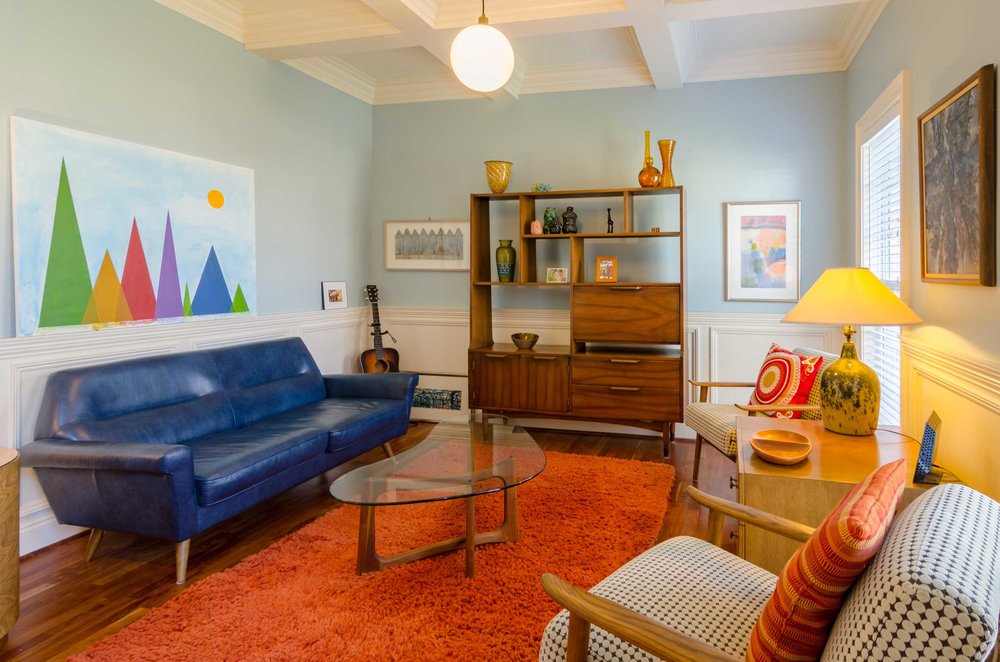
If you’re painting over a house, which you just bought, chances are you won’t know what type of paint the old owner used on the walls. Peel a small chip of color from the walls and take it to a paint shop to analyze it. Knowing the type of existing paint will help you figure out what kind of primers are needed and what paints are compatible with the old paint. If your house was built in 1978, you need to get the paint tested for lead before sanding that off to prevent health hazards. Elegant Painters Vancouver WA is a top-rated painter and painting contractor in Vancouver, WA.
Don’t Just Guess, Estimate.
A common mistake when painting walls is not calculating the right amount of paint needed per square foot. Overestimating will leave you with unused cans of paint and primers that you have no more use for. It’s also costly. On the other hand, underestimating will leave your walls looking inconsistent since not all batches of paint are the same, even if they’re in the same color.
Measuring your room and considering windows and doors, and built-ins in the calculation will help you decide. If in doubt, most interior painting companies and paint stores offer free estimates for you. You can also use online calculators to see how many gallons of paint and primer you’ll need.
Do Spend Time In Paint-Proofing Your House

Preparing your house for painting can be tiring, but it can prevent many headaches in the future. Painting can be messy, and taking the necessary steps to prevent paint from getting onto the furniture, floors, and fixtures will go a long way.
Please move what you can into the middle of the room and cover it with a drop cloth. Use rosin paper on wood and tile floors and canvas cloths for carpets. Cover trims switch plates, lighting fixtures, and window and door hardware. If you’re going to paint your window frames, cover the edges of the glass panes with masking tape. The more you protect your furnishings, the less cleanup you’ll need to do after your painting.
Don’t Skip On Imperfections

Unlike exterior walls, which are more forgiving, interior walls are more likely to be critiqued by judging eyes; hence, it is essential to spend some time smoothing out any rough surfaces and filling out holes. Also, look for any areas that need repairs or replacement before painting them over.
Do You Know When To Use Primer?
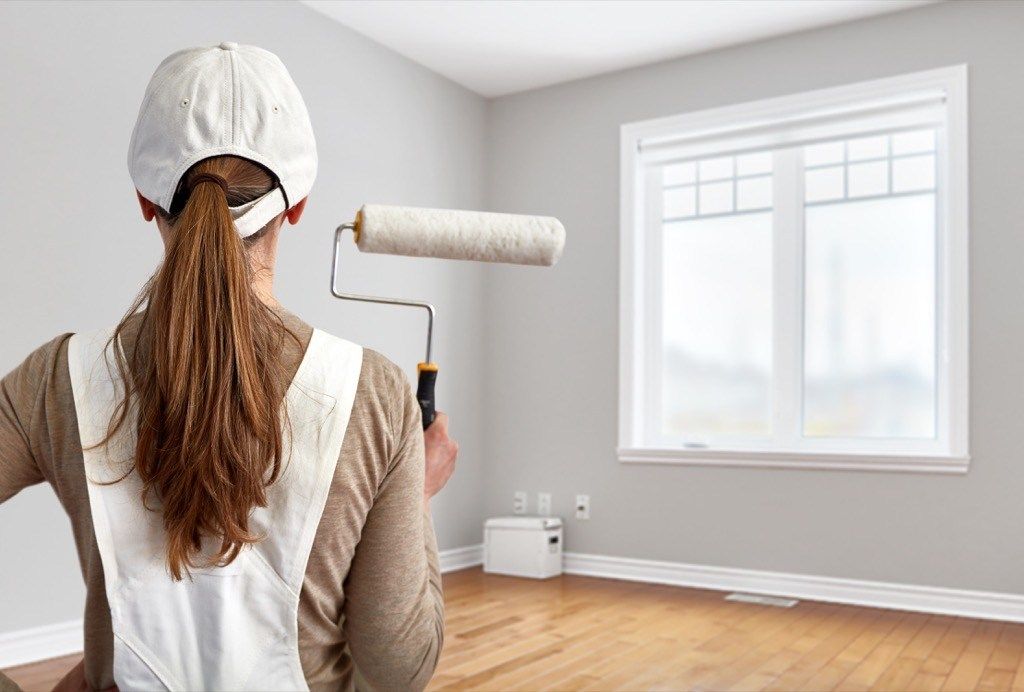
The primary purpose of primers is to make the surface more adherent to paint, but sometimes it’s not even necessary to use primers.
When To Use Primer:
- Use primers on porous surfaces like newly installed drywall, bare wood, and some masonry, like bricks.
- When the surface is heavily stained.
- When the surface is too glossy to hold paint.
- When you’re painting a lighter color over a darker color.
When Not To Use Primer:
- When your walls are clean without any stains and are still in good condition.
- When you’re painting your walls a similar color, or you’re painting a darker color over a lighter one.
Don’t Be Overwhelmed With Color Choices

It’s easy to get confused and overwhelmed by the number of colors available. The best way to deal with this is to create a mood board. Get the existing colors of your furnishings and narrow down your options to two colors. If you’re still in doubt, you can ask for the help of designers or color experts.
Know The Purpose Of Each Paint Finish

Finishes are usually based on individual preferences, but they can also be according to the purpose of a room.
Flat finishes like eggshell and matte are used mostly for ceilings and sometimes walls if you want to hide some imperfections. Flat finishes do well with routine cleaning and are best for areas that are not frequently used.
Glossier finishes are helpful to highlight some features like mantels, moldings, and other architectural features. In addition, gloss finishes clean easily and are suitable for high-use areas like kitchens and bathrooms.
Don’t Be Afraid To Get Help If Needed

If the job seems too daunting for you or you can’t fit it into your schedule, consider getting the services of an interior painting company. They are experts and have good knowledge of what they’re doing, and can do free estimates for you before you commit to a contract with them.
