

What is an ADU, and what counts as one?
An ADU (Accessory Dwelling Unit) is a self-contained living space on your property with separate facilities. Types include converted garages, finished basements with separate entrances, detached structures like tiny homes or guest houses, attic apartments, and in-law suites. They provide independent living while sharing the main property.
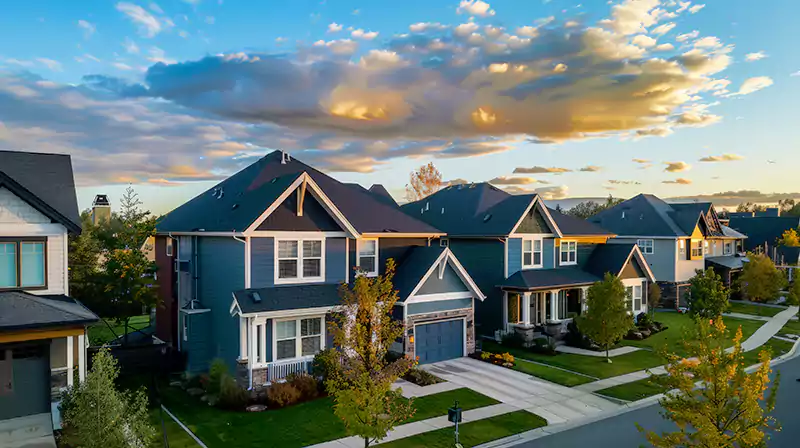
Whether you’re shopping for a home or trying to decide what kinds of home renovations would add to your family’s happiness, you have to consider one of the hottest trends in home design right now. According to the Homelight Insights Report, ADUs, or accessory dwelling units, are a major draw and are experiencing quite a moment in the market. Here’s why this addition to a home should be a top consideration when purchasing or renovating.
What Counts As An ADU?
Accessory dwelling units can be many things, in practice. The most basic form of the accessory dwelling unit is the in-law suite, a room or rooms that have their own separate restroom. Beyond that, ADUs can include:
- Converted garages that become full apartments.
- Finished basements with separate entrances and even a kitchenette.
- Attached ADUs are separate structures like tiny homes or guest houses
- Attic apartments
The main idea is that an ADU gives those who live in them a separate space from the rest of the home, one that could be appropriate for a renter or a separate family unit so that two or more family units aren’t always in each other’s way in the house.
What Circumstances Benefit From An ADU?
This past year, one major use for ADUs was to house grandparents who wanted to be able to COVID “bubble” with their children and grandchildren, creating multigenerational households. Through sharing tasks like housekeeping, remote work, and childcare, these families could come together for tasks that they had in common while using separate dwellings to have some independence and space.
Other people use an ADU as a rental income source, either through short-term rentals or a long-term lease. This rental income can help to offset the costs of mortgage payments in high-cost-of-living areas, and during the height of the pandemic, some of these facilities were more popular than hotel rooms due to efforts to socially distance.
There are quite a few other ways that ADUs can be helpful, from being used as studio space or a home office to housing adult children who are between other housing arrangements or are job hunting and not wanting to commit to their next housing location without a job offer in hand. Having a spare place for someone to crash but with a few comforts like a kitchenette and separate entrance is helpful in many circumstances, especially if someone ends up staying longer than planned.
Market An ADU Well With An Agent
If you do have an ADU on your home, you should see a very good surge in interest because of it when you go to sell your house. Finding and working with an agent can help you to get the most for the ADU and the rest of your home’s unique positive qualities. Agents will also be able to advise on whether adding a small feature, such as a sink and countertop, would add enough to the value of a currently existing ADU to make such an upgrade worthwhile before the sale. They are your advocate and are interested in maximizing the value you get from selling your home!
FAQs: Accessory Dwelling Units (ADUs) Explained
What specifically qualifies as an accessory dwelling unit?
An ADU is a self-contained living space with its own bathroom and typically a kitchenette or full kitchen, separate from the main house. Qualifying structures include converted garages transformed into apartments, finished basements with separate entrances, detached buildings like tiny homes or guest houses, attic conversions, and in-law suites. The key requirement is functional independence while remaining on the same property as the primary residence.
How can ADUs support multigenerational living arrangements?
ADUs enable families to live close while maintaining independence and privacy. Grandparents can stay connected to grandchildren while having their own space. During events requiring social distancing, families can share tasks like housekeeping, childcare, and remote work while using separate dwellings. This arrangement combines togetherness with autonomy, allowing different generations to support each other without constant proximity.
Can I generate rental income from an ADU?
Yes, ADUs provide excellent rental income opportunities through short-term vacation rentals or long-term leases. This income helps offset mortgage payments, especially in high-cost-of-living areas. During recent years, private ADU rentals became popular alternatives to hotels for travelers seeking social distancing. Rental income from ADUs can significantly improve your financial flexibility while maintaining control over your property.
What other purposes can ADUs serve besides providing housing for family members?
ADUs function wonderfully as dedicated home offices, art studios, creative workspaces, or quiet retreats for focused work. They provide temporary housing for adult children between jobs or living arrangements, guest accommodations for extended visitors, or personal gyms and hobby spaces. The separate entrance and facilities make ADUs versatile solutions for various lifestyle needs beyond traditional housing.
How much does building an ADU increase home value?
ADUs significantly boost property values by adding functional square footage and rental income potential. Homes with ADUs attract buyers seeking multigenerational living options, rental income opportunities, or flexible space usage. The exact value increase depends on local real estate markets, ADU quality, and neighborhood desirability. Working with experienced real estate agents helps maximize returns when selling properties with ADUs.
What’s the difference between attached and detached ADUs?
Attached ADUs connect to the main house, like converted garages, basement apartments, or attic conversions, often sharing walls but maintaining separate entrances. Detached ADUs are standalone structures like tiny homes, guest houses, or backyard cottages completely separate from the primary residence. Detached units offer more privacy but typically cost more to build, while attached conversions leverage existing structures more affordably.
Do I need permits and special approvals to build an ADU?
Yes, ADU construction requires building permits, zoning approval, and compliance with local regulations. Requirements vary significantly by municipality—some cities actively encourage ADUs while others restrict them. Check setback requirements, size limitations, parking mandates, and utility connection rules. Consult local planning departments early in your planning process to understand specific regulations, fees, and approval timelines for your area.
Should I add a kitchenette or full kitchen to my ADU?
Full kitchens maximize ADU functionality and rental value, making units completely self-sufficient. However, simple kitchenettes with sinks, countertops, and small appliances may suffice for in-law suites or guest houses where occupants occasionally use the main kitchen. Real estate agents can advise whether upgrading to full kitchens increases property value enough to justify the additional construction costs in your market.
What’s the typical cost range for building an ADU?
ADU costs vary widely based on type, size, location, and finishes. Converting existing spaces, such as garages or basements, typically costs $50,000 to $150,000. Building detached structures ranges from $100,000 to $300,000 or more depending on size and quality. Prefab ADU options offer more affordable alternatives. Consider construction costs, permits, utility connections, and landscaping when budgeting. Long-term rental income or property value increases often justify the investment.
How do I market an ADU when selling my home?
Work with experienced real estate agents who understand ADU value propositions. Highlight rental income potential, multigenerational living flexibility, and home office capabilities in listings. Showcase the ADU’s independence, amenities, and condition through professional photos. Emphasize features like separate entrances, kitchens, and privacy. Agents can recommend strategic upgrades that maximize returns and attract buyers specifically seeking properties with accessory dwelling units.
