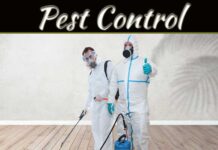


Do you have unwanted furry or 8-legged guests lurking around your home? Check out these useful tips from Coventry Pest Control on how to prevent pests from returning to your home or office.
Rodents
These furry critters can find themselves in so many places, wet or dry, and can be a real hazard to your home or business. They don’t only eat through and destroy food sources, but they are highly diseased and can cause severe illnesses by leaving their droppings around. Rats have a bite that needs immediate medical attention, so it’s best to get them off your property. To rid yourself of them, Coventry Pest Control advises on the following:
- Keep your outside bins clean and closed.
- Sealing all gaps close to the doors or any cupboards that might be standing in an outside shed.
- Don’t leave food for other animals laying around on the property that is not in the designated feeding area, e.g., breadcrumbs or seeds for wild birds. This will attract rats.
Bed Bugs And Fleas
Coventry Pest Control advises on the following to get rid of these domestic pests:
- Remove all bedding and clothing and put them in a sealed bag away from other laundry.
- Heat treatment works well for bed bugs. A disinfectant in a steam cleaner should help to kill them. This can be done wet or dry.
- Using the clothes dryer on the highest heat setting for bed sheets and clothes and then cleaning the dryer thoroughly afterward.
- Use a fogger to clean out extra bugs hiding in books or other furniture.
Flying Pests
Most of these are harmless and come and go on a short scale, but there are a few that stay put and can be dangerous. Pigeons and wasps are two of the more common pests that need professional removal from a company like Coventry Pest Control, but there are a few things that you can do to keep them at bay.
- Wasps release pheromones when they are squashed to let other nearby wasps know that they are under attack. It’s best to set up a wasp trap if it’s a large nest or to put up a fake nest so that territorial wasps back off from the area.
- Keep the area free from fruit or garbage, and make sure that your bins are cleaned so that the smell doesn’t attract them.
- Pigeons are as bad as rats and carry a lot of diseases. Their fouling attracts mites and other insects, and when the dust of their fouling is breathed in, it can cause serious illnesses like Cryptococcus.
- Set up a wire perimeter on ledges, around window frames, or any other spaces that might seem like a good place for them to nest.
- Gel repellants help to deter them from staying on the property like your balcony or roof.
- Set up a pigeon trap to catch them safely until they can safely be removed by Coventry Pest Control.
There are far more little pests that lurk around the home or office, but these are the most common and will ultimately need professional removal assistance if you want to make sure that they never return. For more information, contact Coventry Pest Control.
FAQs
What is the best way to prevent pests in your home?
The best way to prevent pests is to keep your home clean, seal cracks and entry points, store food in airtight containers, and remove standing water. Regular maintenance helps stop pests before they invade.
What are the most common household pests?
Common household pests include ants, cockroaches, termites, rodents, spiders, and flies. These pests usually enter homes searching for food, water, and shelter.
How can I control pests naturally at home?
Natural pest control methods include using vinegar or baking soda for cleaning, planting pest-repelling herbs like mint or basil, and maintaining proper hygiene to remove food sources.
Why do pests enter homes?
Pests typically enter homes in search of food, warmth, moisture, and shelter. Open food containers, leaks, clutter, and small cracks around doors or windows can attract them.
How can I keep my kitchen free from pests?
Keep countertops clean, store food in sealed containers, dispose of garbage regularly, and wipe spills immediately. Regular cleaning prevents pests from finding food sources.
What are the signs of a pest infestation?
Signs include droppings, damaged food packaging, unusual odors, scratching noises in walls, nests, or visible insects and rodents around the home.
How often should pest control be done in a home?
Preventive pest control is usually recommended every 3 to 6 months. However, the frequency may vary depending on the pest type, climate, and severity of the infestation.
When should you call a professional pest control service?
If pests continue to appear despite preventive measures, or if you notice large infestations like termites or rodents, it is best to contact professional pest control services.
Are pest control treatments safe for families and pets?
Most modern pest control treatments are designed to be safe when used correctly. Following professional instructions and keeping pets away during treatment helps ensure safety.
How can I stop pests from entering my house?
Seal gaps around doors and windows, repair damaged screens, close cracks in walls, and maintain proper drainage around your home to prevent pests from entering.