
Are you a new homeowner? Maybe you’ve had a home for a while but never done the home repair before? Regardless of your level of experience, this article will help to inform you of common household problems and simple, quick ways to repair them. Suggesting another excellent source from which you will be able to learn how to solve home repair problems easily. Paying for home repairs can be costly. Many contractors will charge you a flat rate of 3 hours for a problem that might only take 20 minutes to resolve with the proper know-how. Take it upon yourself to learn how to resolve common issues at home; it will make you feel good and save you money in the long run.
Pest Infestations

Infestation caused by pests like insects or other animals can spell frustration for homeowners and possibly structural damage to the house. While some pests like ants and earwigs are more of a nuisance, other creatures like woodworm and rodents can cause a considerable amount of damage. Because many treatment routines call for toxic and poisonous chemicals, be sure to read the manufacturer’s instructions carefully and follow the recommended guidelines. For some insect infestations, like ants, there are non-toxic alternatives to try before using toxic methods. For households with pets and children, it’s always best to try non-toxic remedies first.
Indoor Air Pollution

There are numerous sources of indoor air pollution, which you may not realize is a problem in your home. Some common air pollutants include household cleaners, building and paint products, pet dander, secondhand smoke, and many others. Knowing these products are harmful can help you use them more carefully and keep kids away. Other options include air purification units and vacuuming regularly.
Water Leaks

Any household problems associated with your water or plumbing system can be an absolute nightmare to deal with. Water can damage your home and cause other conditions like mold to develop. You can easily resolve some issues, such as clogged drains or toilets, with a simple plunger. If you have serious problems, then this URL recommends some different services that you can use to have your drains cleaned professionally. Plunging may only be a short-term fix if you frequently have clogs in your toilet or drain. If you experience frequent clogging, you are probably due for a professional cleaning.
Mold

Exposure to mold can trigger allergic reactions and asthma symptoms in people who are sensitive to it. However, even without mold, dampness indoors causes asthma attacks and other upper and lower respiratory problems. Anyone—with or without allergies—may experience irritation of the eyes, skin, nose, throat, and lungs when exposed to airborne mold particles. Make sure there is no water leakage or other sources of moisture in your home to cut back on mold. Consider using a dehumidifier in your basement if necessary.
Old Air Filter

If a clogged air filter doesn’t allow air to circulate through your HVAC system properly, it is also restricted from entering your home. A dirty air filter can limit the amount of conditioned air moving into your home, causing discomfort. If there are pets or smokers in your household, your filter will likely require more frequent changes. There are more contaminants in your home—pet hair, pet dander, and smoking byproducts—so filters become clogged at a faster rate than in a home without pets or smokers. Changing your air filter is an incredibly simple and fast task to complete, which will improve your home air quality significantly and save you money.
Dirty Oven And Stovetop
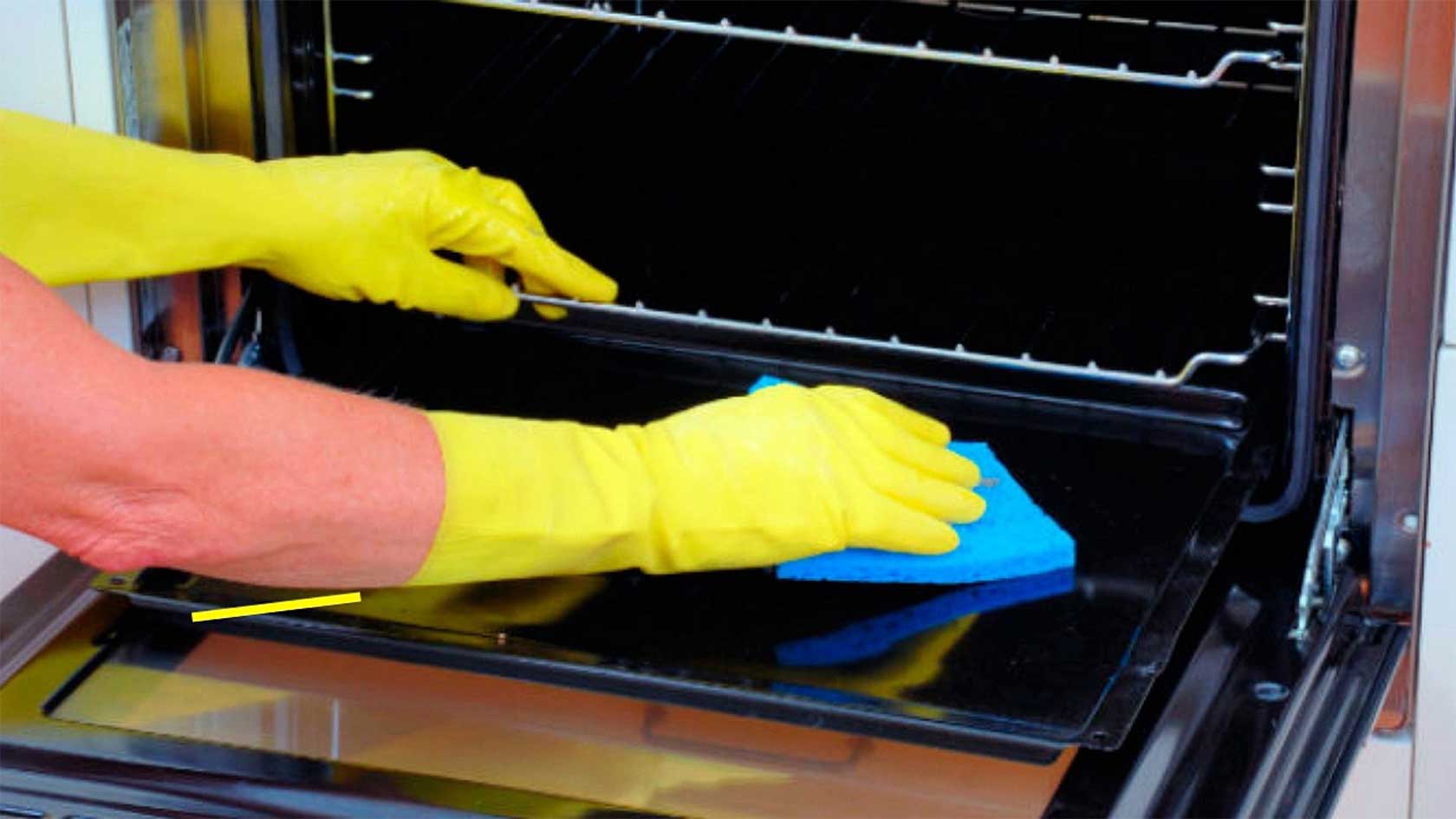
Whenever you switch on the oven, any burnt food or grease inside continues to burn. Messy cookers could also release pollutants into the home, throwing carbon monoxide, nitrogen oxide, and sulfur dioxide into the air you breathe. That’s not good. Be sure to clean your oven and stovetop regularly to avoid these dangerous buildups; it will benefit your health and house in the long run. If you need to clean your stovetop or oven, consider using some over-the-top cleaners, baking soda, vinegar, lemon water, or dish soap. Always make sure the stove is turned off to avoid being burnt or electrocuted.
Hopefully, this article has been helpful and informed you of some simple home repair tips for everyday household problems. If you’ve previously stressed about attempting a home repair on your own, you can now rest assured that you are well-equipped to handle some of the most common problems you may encounter as a homeowner. Wishing you all the best in your home repair endeavors.
FAQs
What are the most common household problems you can fix yourself?
Common issues include leaky faucets, clogged drains, squeaky doors, cracked walls, loose handles, and minor electrical problems. You can fix most of these issues using basic tools and simple DIY methods.
How can I fix a leaky faucet at home?
Turn off the water supply, disassemble the faucet, and replace worn-out washers or cartridges. Reassemble carefully to stop the leak and restore proper flow.
What is the easiest way to unclog a drain without chemicals?
Use a plunger or a mixture of baking soda and vinegar followed by hot water. A drain snake can also help remove stubborn blockages naturally and safely.
How do I repair small cracks in walls or ceilings?
Clean the crack, apply filler or putty, smooth it with a scraper, and let it dry. Sand the area lightly and repaint for a seamless finish.
Why do doors and hinges squeak, and how can I fix them?
Squeaks are usually caused by friction or lack of lubrication. Apply oil or lubricant to the hinges and move the door back and forth to distribute it evenly.
What basic tools do I need for simple home repairs?
A hammer, screwdriver set, adjustable wrench, pliers, tape measure, utility knife, and a drill are essential for handling most minor household repairs.
How can I repair a loose door handle or cabinet knob?
Tighten the screws using a screwdriver. If the holes are worn out, use longer screws or fill them with wood filler before reattaching.
Are DIY home repairs safe for beginners?
Yes, most minor repairs are safe if you follow instructions and use the right tools. Always turn off the electricity or water supply when needed and avoid complex tasks beyond your skill level.
How can regular maintenance prevent home repair issues?
Routine checks, cleaning, and timely fixes help prevent small issues from becoming major problems. Regular maintenance extends the life of fixtures and reduces repair costs.
When should I call a professional instead of doing DIY repairs?
Call a professional for major electrical issues, plumbing leaks inside walls, structural damage, or anything that requires specialized tools or expertise.