

The top antique decor trends for 2026 are the following:
- Brown furniture revival—dark mahogany, walnut, and teak replacing pale, grey-washed finishes
- Chinoiserie accents — ginger jars, lacquered tables, and hand-painted panels used with intention
- Heirloom textiles — embroidered quilts, tapestry cushions, and block-printed linens displayed as art
- Pre-1920s antiques as anchors—one great early antique to ground maximalist, layered interiors
- Visible storage — china cabinets, hutches, and open dressers replacing minimalist concealed cabinetry
These trends reflect a broader cultural shift away from disposable, mass-produced furniture toward pieces with authentic history, artisanal craftsmanship, and personal meaning.
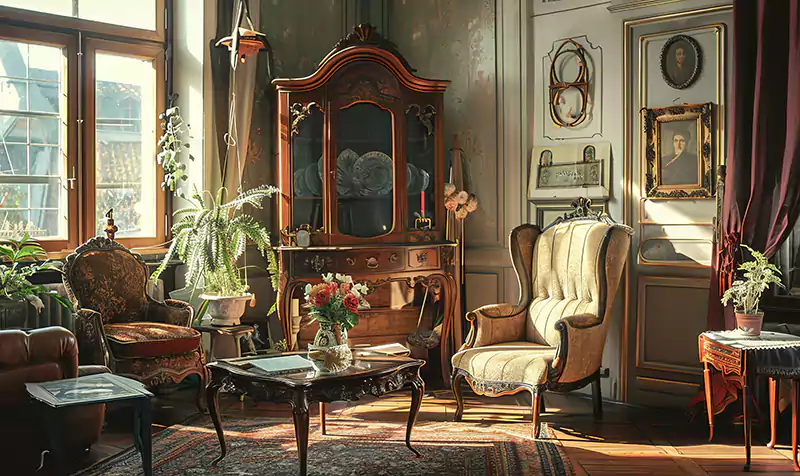
There’s a quiet rebellion happening in interior design—and it smells faintly of beeswax polish and aged oak. After years of chasing the clean lines of minimalism, stark white walls, and furniture that arrives flat-packed in a cardboard box, homeowners are turning their gaze backward. Not out of nostalgia alone, but out of a genuine hunger for spaces that feel earned, layered, and alive with history. In 2026, antique and vintage decor isn’t just a trend—it’s a full cultural reset.
Here are the five most compelling ideas driving the antique revival this year and how you can bring them into your home without making it feel like a museum.
Brown Furniture Is Back — and It Never Should Have Left
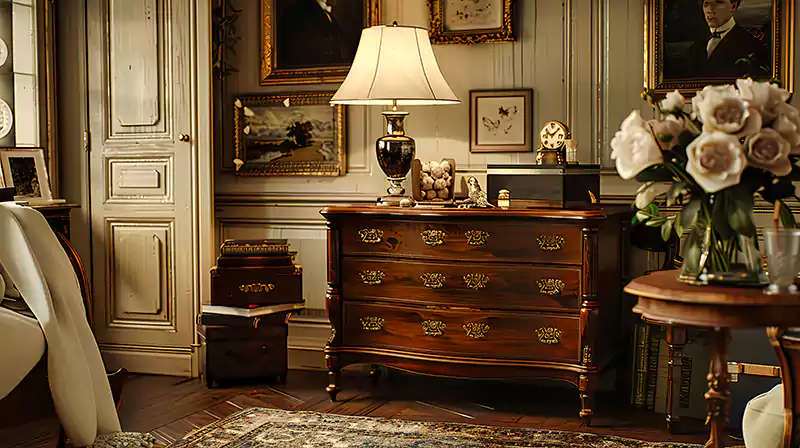
For the better part of a decade, warm wood tones were ruthlessly edged out by grey-washed finishes, blonde Scandinavian oak, and the cult of the white-painted sideboard. But deep mahogany, rich walnut, and burnished teak are staging a dramatic return in 2026 — and designers couldn’t be more relieved.
The appeal is both aesthetic and emotional. Dark wood furniture carries an innate gravitas that lighter pieces simply can’t replicate. A Victorian writing desk or a Georgian chest of drawers doesn’t just fill a corner; it takes over the room and gives it a sense of permanence. Interior designers are increasingly pairing these pieces with moody wall colors: forest greens, oxblood reds, and navy blues that make the grain of old wood practically glow.
The practical argument is just as strong. Unlike its flat-pack counterparts, a well-made antique chest or dining table lasts another century. As sustainability becomes a non-negotiable value for many homeowners, investing in a single piece of quality secondhand furniture is far more responsible than buying three pieces of disposable modern furniture.
How to try it: Start with a single dark wood statement piece—a sideboard, a writing desk, or a set of dining chairs. Let it set the tone for the room’s palette rather than trying to match it to everything else.
Chinoiserie and the Art of the Well-Placed Ginger Jar
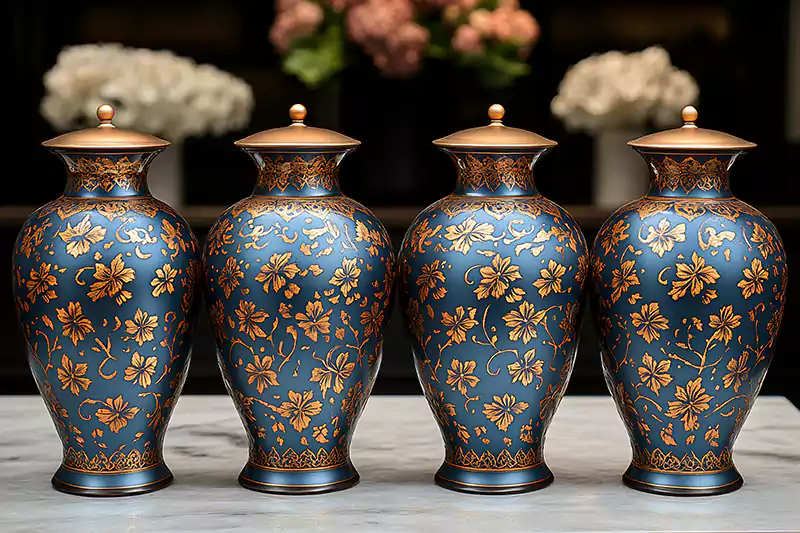
Chinoiserie—the European interpretation of Chinese artistic motifs—has been a recurring darling of decorators since the 18th century, and 2026 is no different. What’s changed is how it’s being used: less as a full room concept and more as a studied punctuation mark within a broader, eclectic interior.
Think hand-painted blue-and-white ginger jars clustered on a mantelpiece, lacquered red side tables flanking a modern sofa, or a single chinoiserie-paneled wardrobe standing in an otherwise pared-back bedroom. The key is restraint paired with intention—choosing pieces that are genuinely beautiful rather than simply “themed.”
Chinoiserie works so well in the current design moment because it bridges cultural history with artisanal craft. Each piece tells a story of trade routes, artistic exchange, and centuries of skilled making. In a world increasingly dominated by algorithm-generated aesthetics, that kind of authentic provenance feels genuinely radical.
How to try it: A pair of ginger jars or a chinoiserie-printed cushion cover is the lowest-commitment entry point. For the bolder decorator, a lacquered console table or a screen with hand-painted panels can transform an entire corner of a room.
Heirloom Textiles: The Luxury That Lives on Your Walls (and Your Beds)
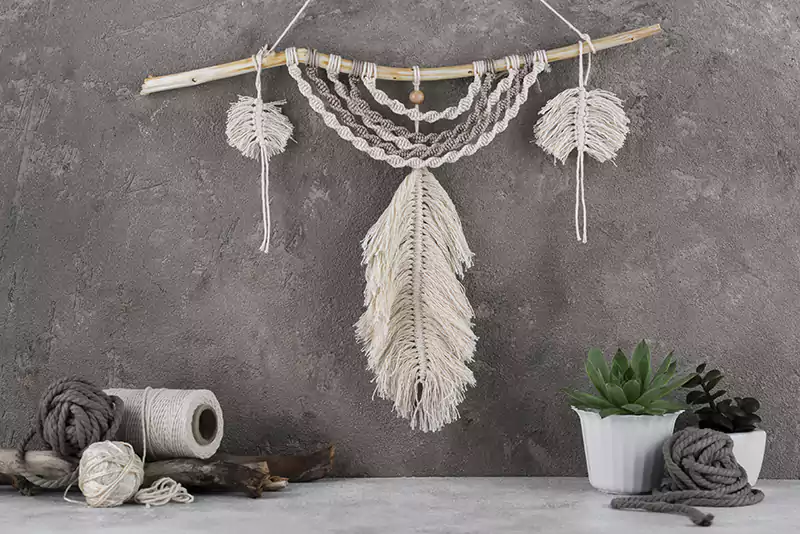
One of the most interesting shifts in 2026 décor is the rehabilitation of heirloom textiles—embroidered quilts, damask throws, tapestry cushions, and hand-block-printed linens that were once dismissed as fussy or old-fashioned. Today, they’re being treated with the same reverence as fine art.
This makes a certain sense. A beautifully embroidered piece represents hundreds of hours of skilled labor. Its value lies not in its resale price but in its irreplaceability—the fact that no two are exactly alike and that someone’s hands made every stitch. In an era where we’re beginning to question the wisdom of consuming endlessly replaceable things, heirloom textiles feel like a meaningful alternative.
Designers are using them in increasingly creative ways: hung on walls as textile art, draped over antique armchairs as throws, or layered across beds in place of the predictable linen duvet. The visual effect is richness without ostentation—a warmth that the most expensive minimalist interior simply cannot manufacture.
How to try it: Scour estate sales and antique markets for embroidered tablecloths, vintage quilts, or hand-woven throws. Frame a particularly beautiful piece of antique lace or tapestry for an instant focal point that costs a fraction of a canvas print.
Pre-1920s Antiques as Visual Anchors in Maximalist Rooms
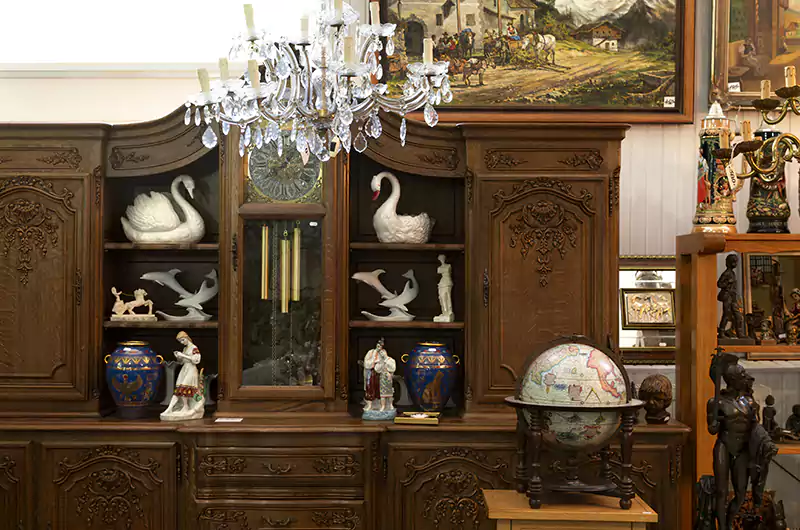
As the maximalist interior movement continues to gather momentum, designers have identified a surprising solution to the chaos problem: really old furniture. Specifically, pieces made before 1920—hand-carved cabinets, patinated side tables, and architectural wooden frames—have an inherent visual authority that brings order to even the most layered, pattern-heavy room.
The logic is straightforward. These pieces were made in an era before mass production, when craftsmanship was the only quality control that existed. Their proportions, detailing, and materials were worked out over centuries of tradition. Drop a genuinely old piece into a room full of color, pattern, and competing personalities, and it acts like a visual full stop—a moment of resolution that makes everything around it feel more intentional.
This is why designers are increasingly advocating for the “one great antique” approach: rather than filling a room with vintage-adjacent pieces, invest in a single authentic early antique and let it set the standard. A 19th-century carved bookcase, a Georgian side table, or a pre-war ceramic urn can do more for a room’s character than a dozen decorative accessories combined.
How to try it: Visit a reputable antiques dealer rather than a home décor store. Ask about provenance. Look for pieces with visible age—a slight warp in the wood, hand-cut dovetail joints, or uneven glazing on ceramics. These imperfections are not flaws; they are the point.
Visible Storage That Shows Off What You Own
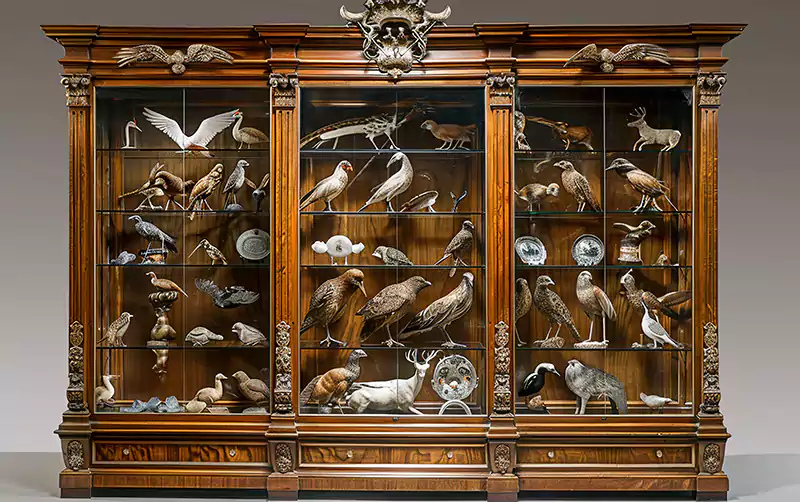
Perhaps the most culturally telling antique decor trend of 2026 is the return of the china cabinet, the glass-fronted hutch, and the open dresser—furniture specifically designed to put your possessions on display. This is a quiet but significant reversal of the hide-everything philosophy that dominated interiors for most of the past two decades.
For years, the aspiration was concealment: integrated cabinetry, handleless drawers, the kind of kitchen where you’d never know a glass or a plate existed. It was a visual language that said, “I have no clutter, I have no history, I have no stuff.” What it also said, inadvertently, was “I have no personality.”
The china cabinet rejects all of that. It says, “Here is what I’ve collected, what I’ve inherited, and what I consider beautiful.” It invites people to look rather than to ignore. And when filled thoughtfully—with vintage-colored glassware catching afternoon light, heirloom porcelain alongside everyday pieces, or a mix of objects gathered from different chapters of a life—it becomes one of the most personal design statements a home can make.
How to try it: Seek out a vintage hutch, armoire with glass panels, or freestanding dresser at a secondhand furniture shop. Don’t over-curate the contents—the beauty of these pieces comes partly from the evidence of a real life lived.
Conclusion: Collecting a Life, Not Just a Look
What unites all five of these trends is something deeper than aesthetics. They reflect a growing conviction that our homes should tell true stories—about where things came from, how they were made, and why we chose to keep them. Fast furniture provides us spaces that look good in photographs. Antique decor gives us spaces that feel good to live in.
The best homes of 2026 won’t look like they were styled for a magazine shoot. They’ll look as if they’ve been slowly assembled by someone with curious taste, good instincts, and enough patience to wait for the right piece rather than settling for the convenient one. That’s not a trend. That’s wisdom—and it’s been sitting in antique shops waiting to be rediscovered all along.
FAQs: Antique & Vintage Decor in 2026
What are the biggest antique decor trends for 2026?
The biggest antique decor trends for 2026 include the return of dark brown furniture in mahogany and walnut, the rise of chinoiserie accents like ginger jars and lacquered pieces, a renewed appreciation for heirloom textiles such as embroidered quilts and hand-block-printed linens, using pre-1920s antiques as visual anchors in maximalist rooms, and the comeback of visible storage furniture like china cabinets and glass-fronted hutches. Collectively, these trends signal a move away from minimalism toward interiors that feel personal, layered, and historically rooted.
Why is brown furniture making a comeback in 2026?
Brown furniture is returning because homeowners are craving warmth, permanence, and sustainability — qualities that dark wood delivers naturally. After years of grey-washed finishes and pale Scandinavian oak dominating interiors, rich mahogany, walnut, and teak offer visual depth and emotional weight that lighter pieces can’t match. Designers are pairing them with moody wall colors like forest green and navy blue for a layered, considered look. Antique brown furniture is also a sustainable choice, as a well-crafted Victorian or Georgian piece outlasts multiple generations of flat-pack alternatives.
How do you style chinoiserie in a modern home without it looking dated?
The key to styling chinoiserie in a contemporary space is restraint and intentionality. Rather than committing to a full chinoiserie room, use one or two well-chosen pieces as punctuation marks: a pair of blue-and-white ginger jars on a mantelpiece, a single lacquered console table, or a chinoiserie-paneled screen in a corner. Let these pieces contrast gently with clean, modern surroundings rather than compete with them. Chinoiserie works best when it reads as collected and considered—a nod to cultural history and artisanal craft—rather than as a themed installation.
What are heirloom textiles and how are designers using them in 2026?
Heirloom textiles are handcrafted fabric pieces — including embroidered quilts, damask throws, tapestry cushions, hand-block-printed linens, and antique lace — that carry the marks of skilled, time-intensive making. In 2026, designers are treating them less as soft furnishings and more as art objects: hanging them on walls as textile installations, draping them over antique armchairs, or layering them across beds in lieu of plain duvet covers. Their appeal lies in irreplaceability—no two pieces are identical—and in the growing cultural desire for objects that reflect real human craftsmanship rather than machine production.
What does “one great antique” mean in interior design terms?
The “one great antique” approach, increasingly recommended by interior designers in 2026, means investing in a single authentic, high-quality antique piece—ideally pre-1920s—and allowing it to anchor the visual identity of a room. Rather than filling a space with many vintage-adjacent accessories, this philosophy prioritizes depth over quantity. A hand-carved Georgian bookcase, a patinated 19th-century side table, or a pre-war ceramic urn brings a kind of visual authority and historical grounding that no modern reproduction can replicate. In maximalist interiors, especially, one genuinely old piece acts as a stabilizing reference point for everything else in the room.
Is the grandmillennial design style still relevant in 2026?
Yes—grandmillennial style is not only still relevant in 2026; it’s actively evolving. Originally defined by its embrace of “granny chic” elements like floral prints, fringe, ruffles, and traditional patterns, the style has matured into a broader design philosophy that values heritage, craft, and personality over trend-driven minimalism. In 2026, grandmillennial sensibilities show up in chinoiserie accents, wall plate displays, decorative moldings, visible storage, and heirloom textiles. It resonates particularly with younger homeowners who are deliberately rejecting the soullessness of fast furniture in favour of spaces that feel genuinely collected and lived in.
Where is the best place to find antique furniture and vintage decor pieces?
The best sources for genuine antique and vintage decor include specialist antiques dealers (who can verify provenance and age), estate sales and house clearances, reputable auction houses, curated vintage markets, and charity or thrift shops in areas with older housing stock. Online platforms such as 1stDibs, Chairish, and eBay’s antiques section can also surface quality pieces, though it’s worth examining condition details carefully. For decorative accessories—ginger jars, colored glassware, heirloom textiles—antique fairs and car boot sales often yield the most characterful finds at accessible prices. The goal is to seek evidence of age: hand-cut joinery, uneven glazing, patina, and wear patterns that cannot be faked.
How do you mix antique and modern furniture without the room looking mismatched?
Mixing antiques with contemporary pieces works best when you lead with a clear color palette and allow contrast to be a deliberate design choice rather than an accident. Choose one or two antique anchor pieces with strong visual presence, then build the rest of the room around their proportions and tones. For example, a Georgian chest of drawers works beautifully alongside a modern linen sofa if they share a common color story—perhaps both sitting against a deep green wall. The goal is not to “match” old and new but to create a conversation between them. Differences in era, material, and style become interesting rather than jarring when the underlying palette and scale are cohesive.
Why are china cabinets and visible storage furniture trending again in 2026?
China cabinets and open storage furniture are trending because they represent a cultural reaction against the impersonal, concealed-everything aesthetic of the past two decades. Integrated cabinetry and handleless drawers produce beautiful but ultimately anonymous spaces — rooms that reveal nothing about the people who live in them. Visible storage, by contrast, turns possessions into a design statement. A glass-fronted cabinet filled with inherited porcelain, vintage colored glassware, and everyday objects gathered over a lifetime tells a story no minimalist kitchen can. It reflects a growing desire for homes that feel inhabited and personal rather than staged and neutral.
Is decorating with antiques a sustainable choice?
Decorating with antiques is one of the most sustainable choices a homeowner can make. Buying secondhand furniture eliminates the demand for new raw materials, reduces manufacturing emissions, and keeps well-crafted objects out of landfill. An 18th- or 19th-century piece of furniture that has already lasted 150 years is, by definition, more durable than a flat-pack item with a five-year lifespan. Beyond the environmental argument, antiques hold or increase in value over time, making them a sounder financial investment than disposable modern alternatives. As sustainability becomes a core value for a growing number of consumers, the antique market is increasingly attracting younger buyers who see provenance and longevity as genuine selling points.
