

How do I safely move large furniture without damage?
Assess furniture structural integrity first, gather furniture dollies and moving blankets, measure all doorways and pathways, disassemble when possible keeping hardware in labeled bags, use proper lifting techniques (bend knees, straight back), pad all corners, load heaviest items first in truck, and drive cautiously during transport.
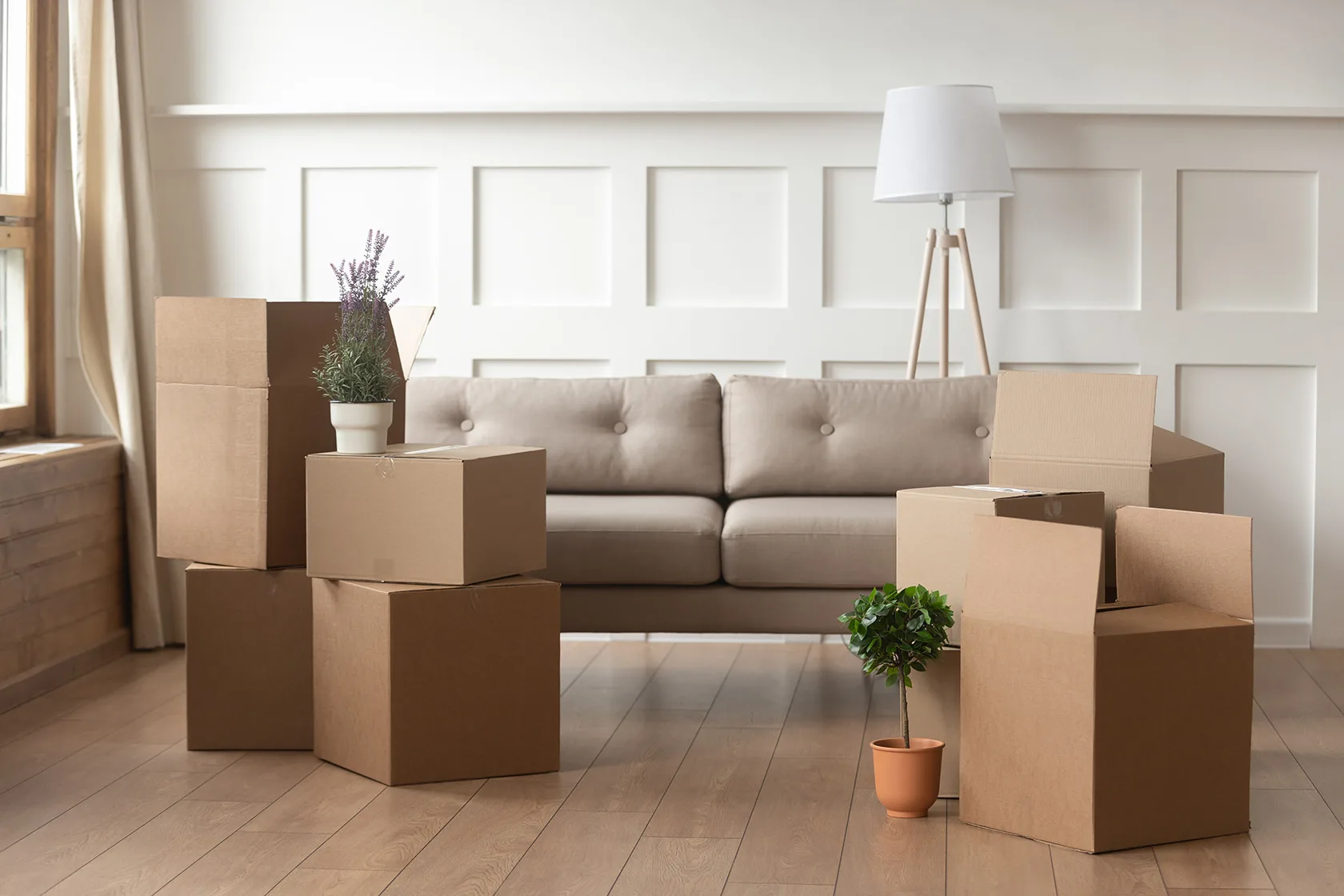
The idea of moving furniture can be both exciting and daunting for every house owner. While it marks significant change and new beginnings, one must ensure that this transition doesn’t risk valuable investments in furniture. In this article, we will walk you through the steps to moving your furniture safely into your new home. Whether you are a seasoned house owner or a homeowner starting to build your home, these tips will help you move your beloved furniture to your new home safely.
Planning The Move
Before you get started, it is important to preplan the move to ensure the smooth transport of your large furniture.
Assess Your Furniture
Begin by thoroughly inspecting each item for structural integrity and current damage. A wobbly leg or a cracked panel can quickly turn into a major issue during a move. If unsure, consider professional repairs before the big day.
Gather The Right Tools
Furniture dollies, sliders, and straps are crucial moving essentials that ensure safe relocation. Additionally, make sure to have an ample supply of padding materials such as moving blankets, foam sheets, and bubble wrap to shield your furniture even from minor bumps and scratches.
Measure Pathways
To avoid last-minute struggles, make sure to measure the doorways, hallways, and entrances of both your old and new homes so that you don’t end up huffing and puffing at the last moment.
Packaging Tips
Packaging large items is an art form that requires patience and precision. Here’s how to master it:
Disassembly Tactics
When possible, disassemble large items like bed frames and tables. Keep all screws, bolts, and other hardware together in labeled, sealed bags for easy reassembly.
Sophisticated Packing Guidelines
Start by cleaning and dusting your furniture to avoid rubbing abrasive particles against surfaces. Next, layer cushioning is applied to the touchpoints that are most prone to damage, such as corners and legs, and finally, the entire piece is encased in a protective cover.
Sturdiness First
While leading multiple items, keep the pyramid structure in mind. Place the heaviest and most sturdy items first and then build up with lighter items. Straps and ropes can be a good help in keeping everything in place.
Loading And Transporting
The physical move is where injuries and furniture damage most commonly occur. Let us understand how to minimize the risk.
Techniques For Safe Lifting
Always lift heavy items with your knees bent and back straight. Know your limits, and don’t try to do it all on your own—seek out professional help from experienced moving companies overland park for truly heavy loads.
The Art Of Loading
Inside the moving truck, distribute weight evenly to prevent shifting during transit. For extremely large items, it might be best to rent a ramp to ease the ascent into the truck.
Transporting Strategies
Drive slowly and with caution, especially around turns and when making stops. If possible, have a spotter walk alongside the truck to provide guidance.
Unloading And Setting Up
The triumphant moment of arrival is not a time to get careless. Unload and set up your furniture with the same precision used in packing and loading.
Cautious Unloading
Clear a path from the truck to the entrance of your new home. For heavy items, consider hiring professional movers to guide them to their new location safely.
Reassembling Your Pieces
Use the labeled hardware bags you prepared during the disassembly process. Take photographs or sketches of the furniture before you take it apart as a visual guide in case you get stuck.
Arranging Your Space
Plan the layout of your new space before you start moving furniture. This will save you from the back-and-forth of repositioning heavy pieces multiple times.
Moving Forward With Ease
A successful move begins and ends with careful planning and execution. By following these detailed guidelines, you can protect your large furniture items and ensure a stress-free relocation.
While there are multiple tips to ensure safe moving, it is always wiser to seek professional help when in doubt. We hope that these smart tips will help you move confidently into your new nest, knowing that your home is in safe hands.
FAQs: Safely Packing and Moving Large Furniture Items
What tools do I need to move large furniture safely?
Essential moving tools include furniture dollies for wheeling heavy items, sliders for gliding furniture across floors, lifting straps to distribute weight properly, and protective materials like moving blankets, foam sheets, and bubble wrap. These tools prevent both furniture damage and personal injury. Having the right equipment before moving day eliminates last-minute scrambling and ensures safer, more efficient relocation.
Why should I measure doorways before moving furniture?
Measuring doorways, hallways, and entrances in both your current and new homes prevents last-minute struggles with furniture that won’t fit through openings. This preplanning identifies potential obstacles requiring furniture disassembly or alternative routes. Knowing dimensions ahead eliminates frustrating surprises on moving day when you’re already tired and pressed for time, making the entire process smoother.
Should I disassemble furniture before moving it?
Yes, disassemble large items like bed frames, tables, and shelving units whenever possible. Disassembly makes furniture lighter, easier to maneuver through doorways, and less prone to damage during transport. Store all screws, bolts, and hardware in labeled, sealed bags attached to corresponding furniture pieces. Take photos or sketches before disassembly to guide reassembly at your new home, preventing confusion later.
What’s the proper technique for lifting heavy furniture?
Always lift with bent knees and straight back, engaging leg muscles rather than straining your spine. Know your physical limitations and never attempt to lift extremely heavy items alone—seek help from friends or professional movers. Use lifting straps to distribute weight across your body. Poor lifting technique causes serious back injuries that could have lasting effects, so proper form is non-negotiable.
How do I protect furniture during packing and transport?
Start by cleaning furniture to remove abrasive particles that scratch surfaces during movement. Apply padding to vulnerable areas like corners, legs, and edges using foam sheets or bubble wrap. Encase entire pieces in moving blankets for comprehensive protection. Secure all padding with tape or stretch wrap. This layered protection approach shields furniture from bumps, scratches, and environmental damage during loading, transport, and unloading.
How should I load furniture into a moving truck?
Follow the pyramid principle: place heaviest, sturdiest items on the truck floor first, then build upward with progressively lighter pieces. Distribute weight evenly throughout the truck to prevent shifting during transit. Use straps and ropes to secure everything in place. For extremely large items, rent a loading ramp to ease the ascent into the truck, preventing dangerous lifting and potential furniture damage.
Should I hire professional movers or move furniture myself?
Consider professional movers for extremely heavy items like pianos, large armoires, or when dealing with stairs and tight spaces. Professionals have experience, proper equipment, insurance coverage, and trained techniques that prevent injuries and damage. While DIY moving saves money initially, professional help often proves worthwhile for valuable or oversized furniture, especially when factoring in potential injury costs or furniture replacement expenses.
What precautions should I take when driving the moving truck?
Drive slowly and cautiously, especially around turns and when stopping, as furniture can shift despite securing efforts. Allow extra braking distance due to increased truck weight. If possible, have a spotter provide guidance when backing up or navigating tight areas. Sudden movements or aggressive driving causes loads to shift, potentially damaging furniture and creating dangerous situations inside the truck.
How do I reassemble furniture after moving?
Use the labeled hardware bags you prepared during disassembly, referencing any photos or sketches taken beforehand. Work in a clear space with adequate lighting. Don’t force pieces together—if something doesn’t fit easily, double-check alignment and instructions. Take your time to avoid stripping screws or damaging components. Proper reassembly ensures furniture stability and longevity in your new home.
How should I plan furniture placement in my new home?
Plan your new space layout before moving day to avoid repeatedly repositioning heavy furniture. Measure rooms and sketch furniture arrangements considering traffic flow, natural light, and electrical outlets. Clear pathways from the truck entrance to each room. This preplanning saves enormous physical effort and prevents floor scratches from dragging furniture around multiple times. Strategic placement from the start creates a more organized, functional living space immediately.
