

Keeping your furniture clean doesn’t have to be a difficult task. Whether you own high-end furniture or everyday sofas and tables, it is essential to properly care for them. Regular care and cleaning will ensure your furniture retains its original appearance.
Let’s separate furniture by category to make it easier.
Painted Furniture

Daily Care: Painted furniture can be some of the easiest to keep clean in your home. Painted furniture only requires a weekly dusting or wipe-down with a clean cloth. It is crucial to avoid leaving any residue of watermarks on the surface. Once these watermarks dry, they can be permanent. It is essential to be mindful of anything you set down on painted furniture. Try using coasters or trays if you plan on placing drinks on them.
Special Care: In the event your painted furniture already has stains, there are a few things you can do to restore your beloved piece. This treatment is also beneficial for nicks and scratches. Start by making any repairs you wish, such as sanding. Remember to sand cautiously and avoid removing more paint than necessary. You can carefully glue loose pieces. When repainting, match the paint as closely as possible. An alternative is selecting a new paint color and refinishing the entire piece. Oil finishes are excellent for sealing and protecting painted furniture.
Wood Furniture
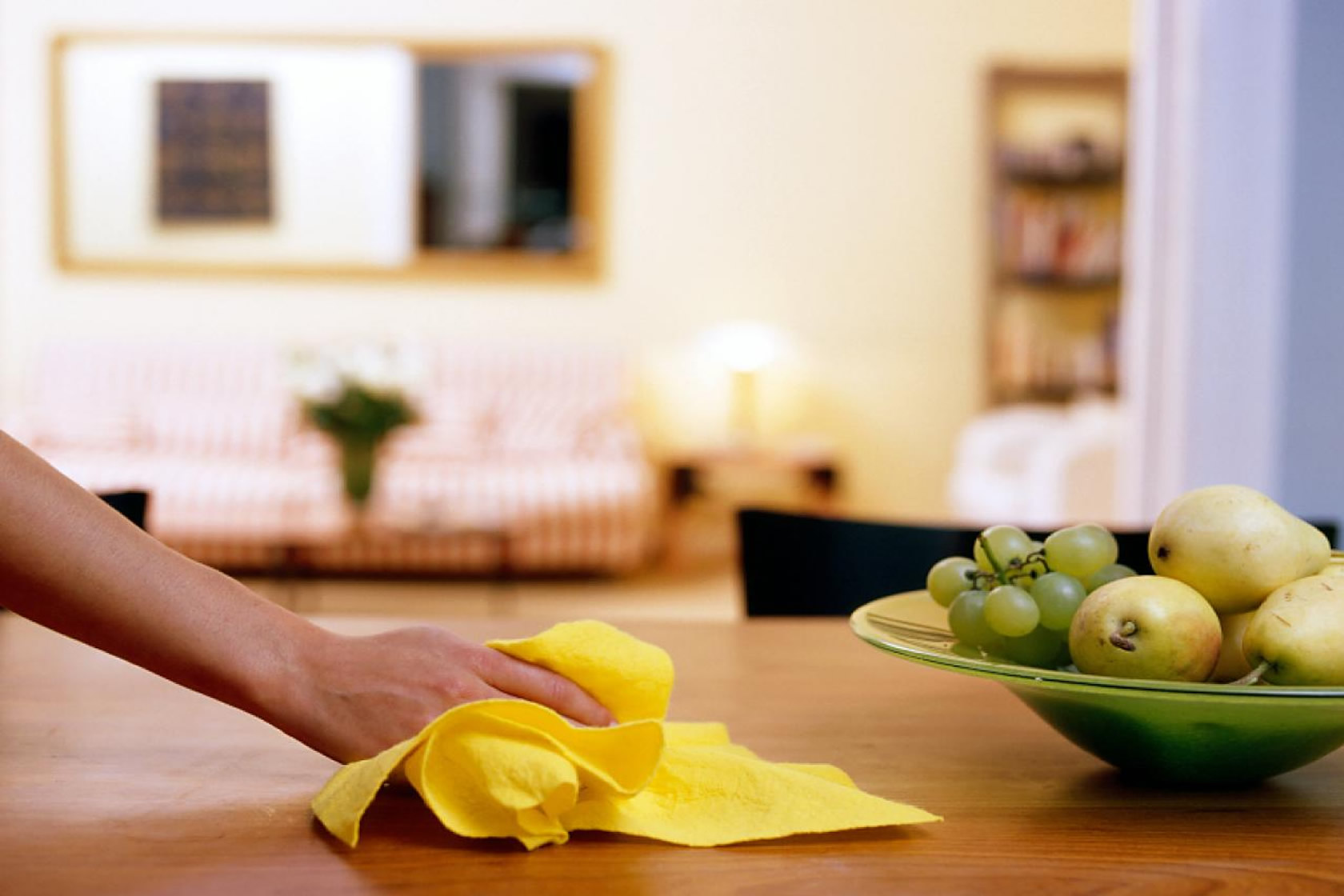
Daily Care: Not all wood furniture is created equal. Start by figuring out which finish is on your wood. Once you know what type of finish your wood has, you can research the ideal care for that specific finish. This includes conditioners and cleaners for the wood. Depending on the finish, there are different protocols for removing built-up dirt. A dry cloth is safe for all wood. Make sure to use a lint-free one. Applying polish to your furniture will help reveal its natural shine. Using a small amount of furniture polish on the cloth is also a beneficial option for periodic cleaning. The furniture polish you select should be the same variety used consistently. For example, if you use oil-based, don’t use wax-based—and vice versa. Stick to one type of polish for best results. These steps will avoid polish smudges. Furthermore, remember to wipe in the direction of the wood. An even gentler routine may be required if you own antique wood furniture.
Special Care: For removal of built-up dirt, try using mineral spirits with a lint-free cloth. Use the product on the entire piece of furniture. If you only clean one area, the finish may look uneven.
Leather Furniture

Daily Care: Leather is susceptible to cracks and is prone to drying out. As a result, it is essential to keep leather furniture two feet away from direct sunlight and other heat sources. Clean your leather with a damp sponge/cloth and dust as usual.
Special Care: Dirty leather furniture requires special care, especially if you plan to clean white leather couches. You can add 1/4 white vinegar to 1/2 water and a cloth. You can follow this step up by washing, using leather saddle soap, and rubbing dry with a cloth.
Upholstered Furniture

Daily Care: Similar to leather, it is crucial to keep upholstered furniture out of direct sunlight and other heat sources. Vacuuming the furniture with an attachment is excellent for getting in the nooks and crannies of the upholstery. You can flip cushions and pillows weekly, ensuring both sides wear evenly over time. You can apply Scotchgard to repel stains and spots.
Special Care: When cleaning dirty upholstered furniture, use a damp cloth. If that does not get the stain out, you can try a steam cleaner. This will refresh your fabric. If the stain persists, you can use a vinegar and baking soda combination. This mixture will “pull” the stain from your upholstery. However, ensure you are using distilled water, as regular water contains dense minerals that may leave a watermark.
Wicker Furniture

Daily Care: Wicker furniture features natural fibers. These fibers are prone to drying out. As a result, it is essential to keep wicker out of sunlight as much as you can. Most people use wicker for their outdoor furniture on patios, decks, and lawns. An excellent solution for such issues is to cover the chairs and benches when you are not using them. The cover will preserve their longevity. Dusting and vacuuming with an attachment are suitable for wicker as well.
Special Care: Restoring your wicker is simple. Over time, the wicker becomes dry and needs moisture to keep it pliable—mix water with a mild solution. Let the solution seep and soak into your wicker, and then wipe down carefully with a clean cloth. You can go over areas using a small, fine brush with soft bristles. This manner is ideal for removing stains and getting into hard-to-reach areas.
The goal when cleaning furniture, whether daily care or special care, is to preserve the piece and keep it looking new for as long as possible. As a general rule, there are three types of cleaning solutions: waxes, polishes, and silicones. It is generally recommended to use polishes as the product of choice. If not used with caution, waxes can cause a serious build-up on furniture. Avoid using abrasive cleaners on any of your furniture. It is best to use natural, gentle solutions, especially for expensive or delicate furniture; other popular tips for keeping furniture clean include the following.
- Avoid placing furniture in direct sunlight and heat. Sunlight and heat will wear your furniture. This effect is especially true for wood, leather, certain types of upholstery, and paint finishes.
- Avoid exposing your furniture to extreme changes in temperature. This includes vents, AC, and heating.
- Avoid placing plastic/rubber materials directly on your furniture. Plastic/rubber materials can release particles that damage delicate furniture.
- Use felt or pads to protect furniture from beverages and flowerpots.
- As soon as you notice a spill, clean it up immediately. This is important to avoid spills seeping into your furniture, making them harder to remove later on. Make sure to blot the stain instead of wiping it.