

Wall art, architectural details (such as wainscoting or board-and-batten), accent colors (chosen with care), textiles, sculptures, and lighting can completely change the look of a living room. To gain confidence, begin with a single wall and one technique. Combine multiple approaches—structure, color, personal objects, and lighting—for rooms that feel authentically collected over time.
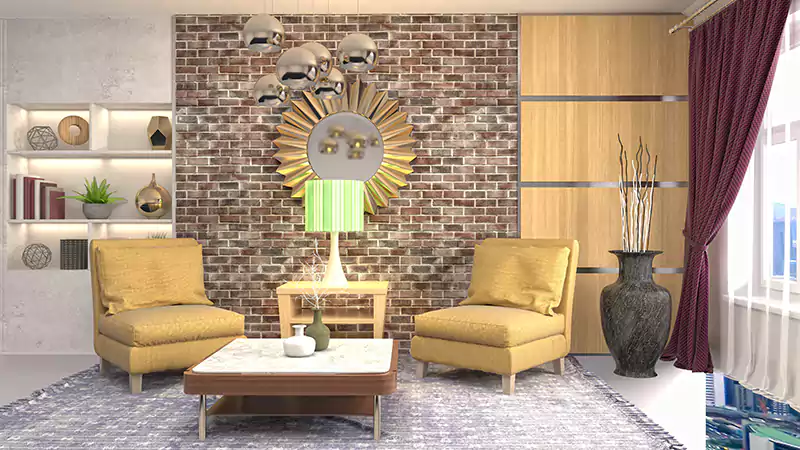
Your living room walls tell a story. Right now, they might be whispering—or staying completely silent. But here’s the thing: those vertical surfaces hold incredible potential to shift the entire atmosphere of your gathering space.
Most homeowners fixate on furniture selection, spending weeks choosing the perfect couch while their walls remain bare afterthoughts. That’s backwards thinking. Even before anyone sits down, your walls establish the tone for the day, frame conversations, and frame your life.
The best thing about it is the wall styling, which is very flexible. Updating walls is not an expensive undertaking or a construction dust invasion of your home like replacing a section or remodeling your kitchen. A weekend, a little creativity, and a few well-chosen choices can change the look and feel of your living room.
This guide explores innovative ways to design walls, from understated touches that whisper sophistication to daring statements that demand attention. No matter what size your space is, from endless square footage to a small apartment corner, you’ll find ideas that really work with your lifestyle and budget.
Layer Your Art for Visual Interest
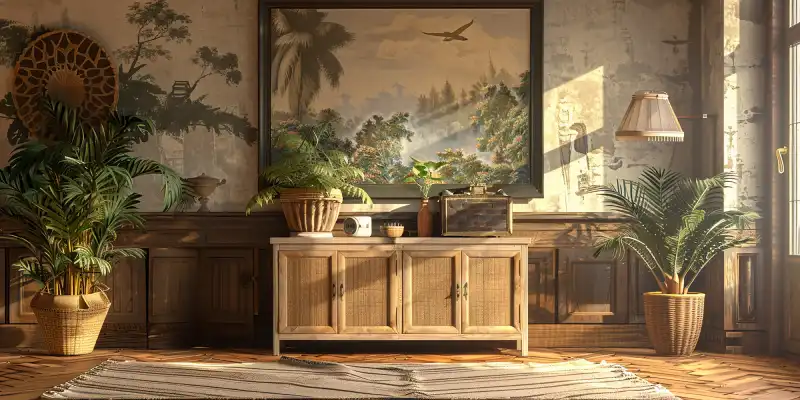
Forget the rulebook that says every frame needs a centered nail. Real homes have personality, and character often means breaking away from rigid symmetry.
Try stacking frames in unusual ways. Hang a small vintage print overlapping a larger abstract work. This approach to layering creates depth and helps your collection feel curated, rather than stiffly organized. The overlap brings the eyes around the whole arrangement instead of letting them settle on one piece and move on.
Textural variety amplifies this effect. Pair a chunky wooden frame with something sleek and metallic. Mix a canvas with a print under glass. These material contrasts prevent your wall from feeling flat, even if you’re only working with a few pieces.
Position is more important than being perfect. That arrangement that’s a little off-center? It actually makes things move. Every time you look at the piece, your eye moves across it and finds new connections between the parts.
Elements Of Architecture Add Character Without Clutter
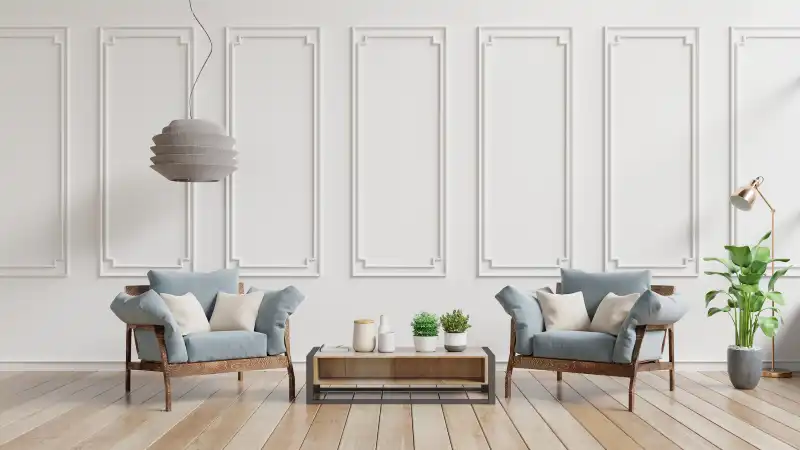
Plain walls feel forgettable. Walls with dimension tell stories about craftsmanship and intentionality.
Wainscoting turns ordinary rooms into rooms with history. The vertical lines draw the eyes up. The ceilings seem higher than they are. In a new building, where the ceilings are typically eight feet high, this is especially true. Wainscoting is your visual elevator.
Board-and-batten brings farmhouse warmth without going full rustic. The pattern creates natural sections on your wall, giving you built-in zones for arranging furniture or hanging smaller pieces. It’s a structure that doesn’t feel restrictive.
Picture molding offers flexibility that regular hanging methods can’t match. Install the rail once and then move hooks along it freely. Rearrange your gallery monthly if the mood strikes. No new holes, no touch-up paint, no commitment anxiety.
These architectural additions work because they’re permanent enough to feel intentional but subtle enough not to dictate your entire design direction. They’re the foundation, not the whole story.
Color Changes Everything—Use It Strategically
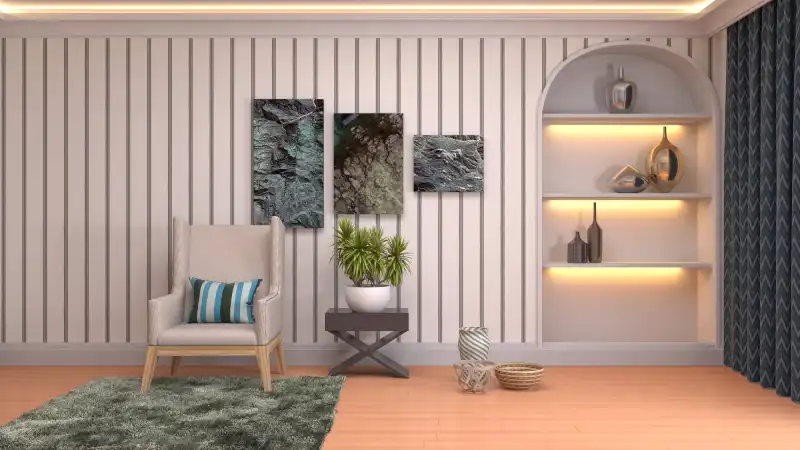
A single gallon of paint holds more transformation potential than most furniture purchases.
Accent walls work when they highlight something worth accenting. That wall behind your television? Probably not your focal point. The wall behind your most comfortable seating arrangement where people naturally gather? Much better candidate.
Go deeper than expected with your color choice. Those safe grays everyone defaults to? They create safe, forgettable rooms. A rich terracotta, deep sage, or moody charcoal makes people actually remember your space. These colors create emotional responses—warmth, calm, sophistication—that neutrals simply can’t deliver.
Tone-on-tone approaches offer subtlety for the color-shy. Paint one wall in your base color three shades deeper than the others. You get definition and visual interest without the commitment of a dramatically different hue. This technique works beautifully in smaller rooms where strong color might overwhelm.
Consider how light hits your space throughout the day. That gorgeous navy blue you loved in the paint store might appear nearly black in your north-facing room. Test samples on all walls and observe them for several days before committing.
Three-Dimensional Objects Break the Flat-Art Monotony
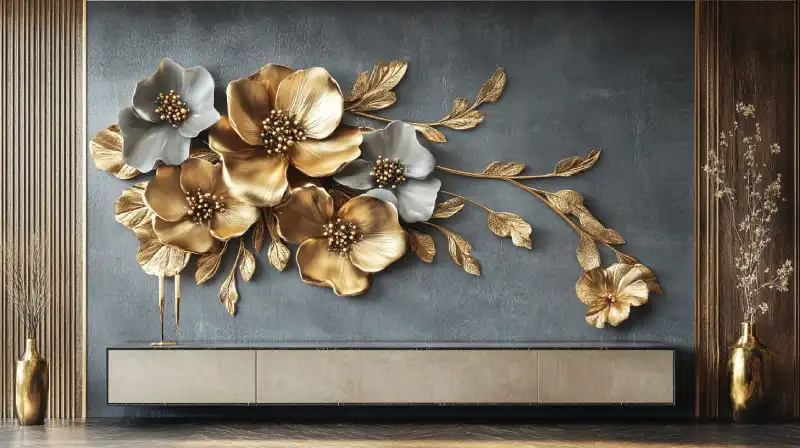
Walls don’t have to mean frames and canvases. The most memorable walls incorporate objects with physical presence.
Vintage textiles offer softness and history. A handwoven rug hung up vertically adds warmth with patterns too lovely to walk on. Tapestries give movement as air circulates and literally make your wall breathe with life.
Collections need to be shown, not just on the shelves. Arrange vintage mirrors in varying sizes for reflective interest. Mount a grouping of antique plates that survived your grandmother’s kitchen. These objects carry stories that flat art rarely can.
Sculptural pieces add a shadow play that changes with daylight. A ceramic installation, a woven basket arrangement, or a metal wall sculpture has a different impact at 9 AM than 7 PM. Your wall is no longer static; it’s dynamic.
The secret is to curate with purpose. Three thoughtfully chosen objects make more impact than a wall crowded with randomness. Each piece should either relate to others through color, theme, or style—or be stunning enough to stand entirely alone.
Lighting Elevates Everything You’ve Already Done
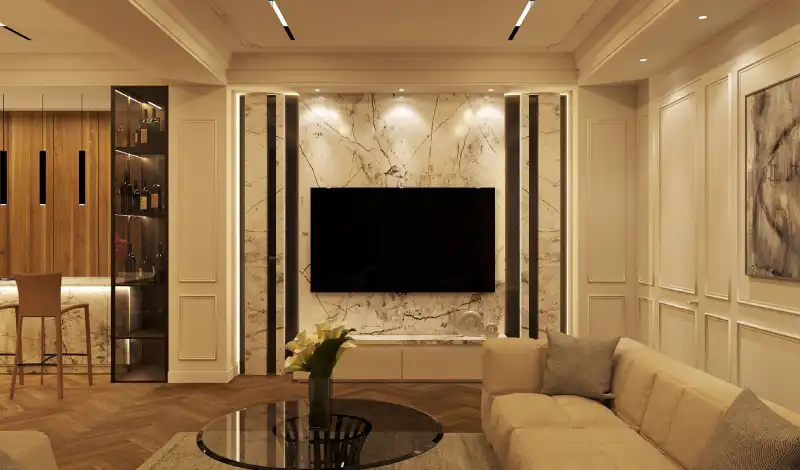
The most overlooked wall upgrade isn’t what you hang, but how you illuminate it.
Picture lights transform ordinary art into gallery-worthy displays. That landscape painting you inherited? Add a brass library light above it, and suddenly it becomes a focal point worthy of attention. The directed beam creates drama while making colors pop in ways overhead lighting never achieves.
Sconces give off a soft glow but don’t take up the table space that lamps do. Use them to flank a mirror or artwork for visual weight and symmetry. Dimmer switches allow you to go from bright and energizing to soft and intimate as the moment requires.
Wall-washing with adjustable spotlights highlights architectural features you’ve added. That board-and-batten detail? Illuminate it from above or below to emphasize the shadows between the boards. Texture needs light to reveal itself.
Use multiple light sources for layers. Overhead light, table lamps, and wall lighting work together to eliminate harsh shadows and create pockets of warmth. Your walls are richer because you’re literally putting them in their best light.
Final Thoughts: Your Walls, Your Rules
Sticking to strict design formulas is not the point of wall styling. Making surfaces that represent your real life and the things that are important to you is the key.
For the most beautiful living room walls, it’s best to combine multiple techniques. For example, you can use architectural detail to create structure, color to evoke emotion, carefully chosen objects to share personal history, and well-planned lighting to bring it all together. Rooms that are layered give the impression of having been put together gradually, rather than being the result of a mad dash to the store on a weekend.
Begin with a single wall and an idea that truly thrills you. Master that space before moving to the next surface. Confidence builds with small successes, and your walls will end up more authentic than if you tried executing an entire Pinterest board simultaneously.
Your walls have been waiting patiently. Give them something captivating to say.
FAQs: Wall Decor for Living Room
What’s the easiest way to make blank living room walls look finished?
Place a large mirror or work of art at eye level above your primary seating area to begin. For an immediate touch of class, place two wall sconces side by side. Without overpowering the room or necessitating meticulous preparation, this straightforward three-part method establishes a focal point.
I don’t want to make holes in every wall, so how can I decorate them?
Using detachable adhesive hooks, placing big mirrors or artwork on console tables or mantels, or utilizing picture ledges are all options that do not require holes. Floating shelves require minimal installation but provide changeable display surfaces. Consider a picture rail system that lets you hang items from a single mounted rail using adjustable hooks and wires.
Should living room wall colors match or contrast with furniture?
Neither matching nor contrasting is universally correct—both work depending on your goal. Contrasting wall colors make neutral furniture pop and create defined zones. Spaces are more harmonious and relaxing when the wall color is slightly darker or lighter than the furniture. Based on your preference for calming harmony or stimulating contrast, make your selection.
When hanging artwork over a sofa, what height is ideal?
Place the center of your artwork about 60-65 inches off the floor, or 6-12 inches above the sofa back. For a gallery wall or multiple pieces, treat the entire installation as one and center the collective middle at eye level. That gives it the visual weight that’s right without the art floating too high or crowding the furniture.
How do I choose between a gallery wall and one large statement piece?
Gallery walls work beautifully for showcasing collections, adding personality through varied pieces, and filling larger wall expanses. Single statement pieces suit minimalist aesthetics, create instant focal points, and require less planning. Consider your style—curated collector versus clean and intentional—and your available time for arrangement.
Can I mix different frame colors and styles on the same wall?
Absolutely. Mixing frames adds visual interest and prevents a cookie-cutter appearance. Establish one unifying element—perhaps all frames share a similar width, or artwork shares a color palette, or matting is consistently white. This common thread lets you mix metals, woods, and styles while maintaining intentional cohesion rather than chaotic randomness.
What wall treatments work best in small living rooms?
Vertical elements like floor-to-ceiling bookcases, vertical board-and-batten, or tall narrow mirrors draw eyes upward, making ceilings feel higher. Light colors and reflective surfaces expand perceived space. Avoid overwhelming small rooms with too many competing elements—choose one standout treatment rather than trying multiple techniques simultaneously.
How much should I budget for living room wall decor?
The budget varies wildly based on approach. Paint and architectural trim might cost $200-$500 for materials if you DIY. Quality artwork ranges from $50 prints to thousands for original pieces. Lighting fixtures range from $30 to $300 each. Start with one wall and one technique, allocating $300 to $600 initially, then expand as the budget allows.
Should I decorate walls before or after choosing furniture?
Furniture typically comes first since it’s the functional foundation and bigger investment. However, architectural elements like wainscoting or paint color can precede furniture selection. The ideal sequence: major furniture first, then permanent wall treatments like trim or paint, and finally artwork and accessories that can adjust as your style evolves.
How often should I update my living room wall decor?
There’s no mandatory timeline. Permanent elements, like architectural details and paint, might last 5 to 10 years. Rotating seasonal artwork or accessories keeps things fresh without major investment. Update when your current setup no longer brings joy or reflects your current life stage or when damage requires attention. Let personal satisfaction guide timing rather than design trends.
