

Why is steel necessary when building houses?
Steel provides superior aesthetics, combining strength with visual appeal; enables efficient assembly, erecting frames within days; allows column-free open floor plans; offers inherent fire resistance; and provides environmental benefits through lighter weight, requiring less foundation material. Steel’s adaptability supports future alterations while delivering decades of structural performance.
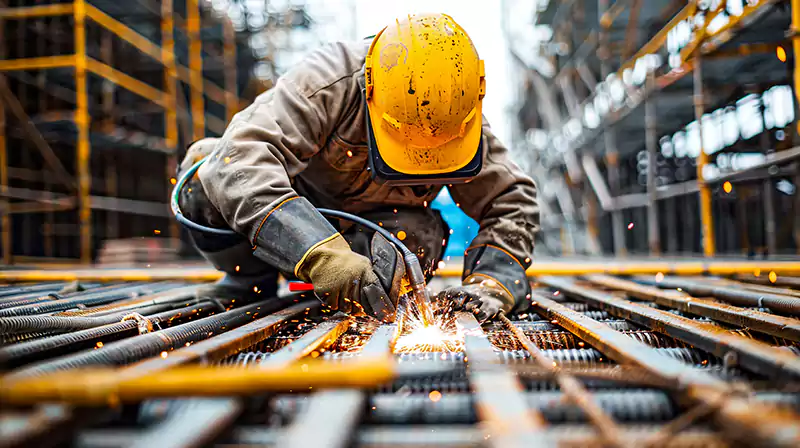
The construction industry is progressing at a rapid pace. From time to time, we encounter new technologies for building commercial and residential projects. We use newer materials and equipment to create a more fortified structure.
However, the usage of steel remains prevalent throughout these decades. Services like Bits of Steel Supplies Brisbane have been in the industry serving their clients in the most effective manner. But why is steel so necessary when building residential projects? Here are some of the most important reasons listed:
Better Aesthetics
When it comes to building a house, every homeowner would want it to look aesthetically appealing. Builders can use steel to give the project a better shape, colour, and texture. It is even coupled with more strength and durability. Professionals use this material to enhance visual appeal and strength. In a nutshell, using steel means better results in the short and long term.
Efficient Building
Steel is one of the materials that do not require much time for assembling. It can be assembled in an efficient manner. An entire steel frame can be erected within a matter of days. The amount of excavation required is also reduced since fewer points of contact with earth are needed. This means that the entire project can be executed in a quick manner. The site management costs are reduced as well as making the project cost-effective.
More Open Space
Steel structures provide an elegant and cost-effective method of spanning long distances. Extended steel spans can create large, open-plan, column-free internal spaces. Using steel in residential construction can minimise the number of columns. Moreover, steel buildings tend to be more adaptable. The potential for future alterations is greater. This adaptability has a direct positive impact on the lifetime of the structure.
Fire Resistance
Even though additional measures can be used to make a home resistant to potential fire hazards, complete steel structures have now shown the industry how this material can be ideal for fire resistance. Advanced techniques can be incorporated into the basic steel structure, which can reduce the likelihood of fire-related accidents. Several professionals within the construction industry have appreciated the use of steel in this context.
Less Impact On Environment
These days, there has been an ongoing emphasis on the negative impacts that the environment is experiencing. Steel structures are light compared to other equivalents such as concrete. This advantage means that we can reduce the size of the foundations. This reduction has a direct impact on the environmental aspect of the building. Lighter materials mean that they are easier to transport from one place to another, consuming less fuel.
Steel is a major component of the construction industry, and the following are some reasons why it is imperative to use this material.
FAQs: Steel in Residential Construction
How does steel improve residential home aesthetics?
Steel allows builders to shape homes creatively, combining strength with visual appeal. This material enables unique architectural designs, diverse colour options, and varied textures that traditional materials cannot achieve. Steel frames support both contemporary and classical aesthetics, delivering short-term visual impact and long-term structural reliability. The combination of beauty and durability makes steel ideal for modern residential projects.
Why is efficient building assembly crucial for construction projects?
Efficient assembly significantly reduces project timelines and site management costs. Steel frames can be erected within days rather than weeks or months. Reduced excavation requirements and fewer earth-contact points streamline installation. Quick assembly reduces site disruption, lowers labour costs, and keeps projects on schedule. This efficiency makes steel the practical choice for time-sensitive residential developments and homeowner schedules.
How do steel structures enable open floor plans?
Steel’s strength allows extended spans without multiple support columns. This capability creates large, column-free interior spaces tailored to modern living preferences. Reduced columns provide design flexibility, adaptability for future modifications, and psychological spaciousness. Open floor plans remain valuable decades after construction, as residents frequently desire reconfigurable layouts. Steel’s adaptability protects long-term property value through design flexibility.
Is steel truly fire-resistant compared to other materials?
Complete steel structures provide inherent fire resistance through advanced techniques, which reduces the occurrence of fire hazards. Construction professionals recognise steel’s fire performance as superior to that of traditional materials. The industry appreciates steel’s ability to withstand intense heat while maintaining structural integrity. Advanced protective measures incorporated into steel frames further enhance fire safety, thereby protecting lives and property investments.
What environmental advantages does steel construction provide?
Steel is lighter than equivalent concrete structures, requiring smaller foundations and reduced excavation. This directly decreases environmental impact through material conservation and lower fuel consumption during transport. Lighter materials mean easier transportation and consume less energy. Steel’s sustainability profile appeals to environmentally conscious homeowners and builders committed to reducing construction’s ecological footprint.
How do steel structures support future home modifications?
Steel’s strength and flexibility allow future alterations without compromising structural integrity. Homeowners modify layouts, add rooms, or reconfigure spaces decades after construction. This adaptability extends property value and usefulness throughout the home’s lifetime. Unlike inflexible materials, steel accommodates evolving family needs, ensuring residential investments remain valuable through changing circumstances.
Does steel construction cost more than traditional building methods?
While steel may have higher upfront material costs, overall project savings through efficient assembly and reduced site management expenses often offset initial investment. Faster construction timelines can significantly lower labour costs. Long-term durability and minimal maintenance requirements provide superior value over decades. The total cost of ownership typically favours steel, despite its higher initial material costs.
How long do steel-frame residential structures last?
Properly constructed steel frames last multiple decades with minimal maintenance. The material’s inherent strength resists deterioration, weathering, and structural wear. Unlike wood susceptible to rot or decay, steel maintains integrity indefinitely when properly protected. This longevity makes steel an excellent long-term residential investment, delivering stability across generations.
What maintenance do steel-frame homes require?
Steel requires minimal maintenance beyond protecting against rust through appropriate coatings or materials. Periodic inspection and maintenance of protective finishes preserves steel integrity indefinitely. Compared to wood-framed homes requiring regular treatment and repair, steel’s low-maintenance nature reduces ownership costs substantially. Simple preventive care maintains steel structures reliably for decades.
Why do modern builders prefer steel for residential construction?
Steel delivers a superior combination of strength, efficiency, aesthetics, sustainability, and adaptability that modern residential construction demands. Builders appreciate rapid assembly, which reduces project timelines. Developers value open-plan possibilities appealing to contemporary buyers. Homeowners enjoy fire safety and long-term reliability. Environmental benefits align with modern sustainability goals. Steel’s comprehensive advantages make it the logical choice for forward-thinking residential projects.
