

Plaster of Paris (POP) is used to create false ceilings, 3D wall panels, decorative moldings, and intricate designs in Indian homes. It’s lightweight, budget-friendly, and can be shaped into complex patterns. POP works best for overhead features, statement walls, and pooja room décor.
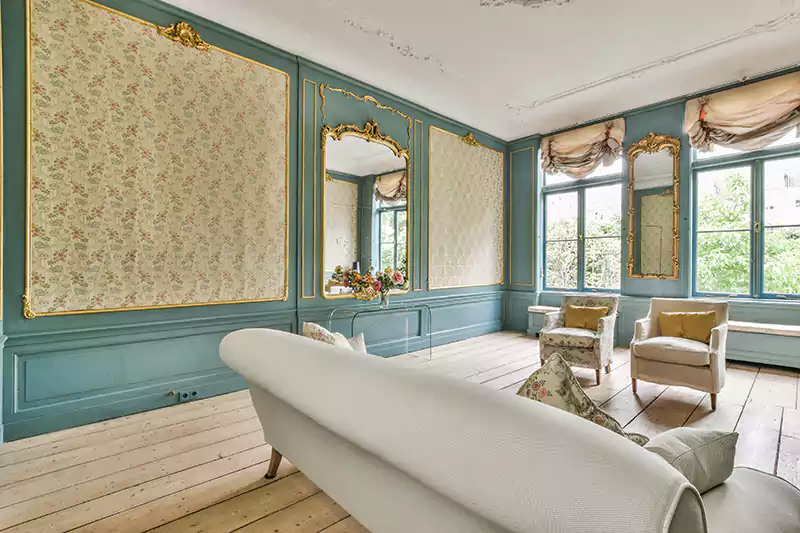
Ever walked into someone’s house and thought, “Wow, how did they pull that off?” I had that exact moment at my cousin’s place last month. The ceiling wasn’t just… there. The design featured an intricate arrangement, with lights integrated into grooves and patterns that encouraged continued upward gazing. Turns out, she’d used Plaster of Paris—or POP, as everyone in the interior design world calls it.
I’ll be honest, before that visit, POP meant one thing to me: those Ganesha idols we buy during festivals. But if you look a little closer, you’ll see this stuff has been around forever. The name literally comes from Paris, where they first started mining the gypsum that goes into making it. Mix the powder with water, slap it on, and it dries hard without shrinking. That’s the whole deal, really—simple but effective.
What’s All the Fuss About Ceilings?
Here’s the thing nobody tells you about home design: ceilings matter way more than you’d think. We spend so much time obsessing over furniture and paint colors, but then the ceiling’s just… white and flat. Boring.
POP changes that completely. And the best part? It weighs almost nothing. My contractor explained it like this: “Ma’am, if we use heavy materials up there, your walls need to be built like a fortress. With POP, we can do whatever design you want without worrying your ceiling’s gonna crash down one day.”
That makes sense, right? You can go wild with curves, designs, even those fancy stepped layers that make a room look twice as expensive as it actually is. I have observed living rooms featuring soft, concealed lighting along the edges, which creates a hotel-lobby ambiance that is particularly stunning in the evenings. Then there are geometric patterns for people who like that modern, Instagram-worthy look.
My neighbor combined wooden beams with POP work, and to be honest, it resembles something from a magazine. It is traditional but also current, if that makes sense. The wood gives it warmth; the plaster gives it detail. Works beautifully together.
Your Walls Deserve Better Too
Okay, confession time: I used to think textured walls were just extra work for no reason. Then I saw what 3D POP panels can do to a boring wall, and I completely changed my mind.
These panels now come ready-made from factories, which is brilliant because you don’t have to worry about whether the mason has had his morning chai. The quality stays consistent. They fit together like puzzle pieces—no weird gaps or mismatched patterns. Just clean, professional-looking results.
Where should you use them? Behind the TV is the obvious choice. Everyone does that, and for good reason—it creates a focal point. But I’ve also seen stunning work in entryways. Guests walk in and immediately get the impression that “these people have taste.” Master bedrooms work great too, especially on the wall behind the bed.
And get this: you can paint over these panels. Whatever color scheme you’ve got going, just match it up. Navy blue for a moody look? Sure. Soft grey for something subtle? Absolutely. That cream color everyone loves? Done.
Some people go completely traditional—columns, fancy moldings, the whole European castle aesthetic. Not my personal style, but I can’t deny it looks stunning when done right. And if you’re into that classical vibe, little POP figurines in alcoves or corners add these lovely finishing touches that tie everything together.
Special Spaces Need Special Treatment
My parents just redid their pooja room, and the amount of detail POP allowed them to get was pretty incredible. Traditional patterns, delicate borders, carved-looking elements that would’ve cost a fortune in actual carved wood or stone—all done with plaster for a fraction of the price.
Sure, marble looks luxurious. Stone has that permanent, solid feel. Those laser-cut boards are trendy right now. But if you want really fine, intricate work and you’re watching your budget (and let’s face it, most of us are), POP gives you the most bang for your buck. The craftsmen can shape it into these tiny details that would be nearly impossible with harder materials.
Garden features are where POP surprised me most. I’d never have thought of using it outdoors, but people create water fountains, decorative sculptures, and all sorts of things. Even indoors, if you’ve got a little courtyard or plant area, adding a POP element gives it character instead of just being “the corner with plants.”
Let’s Talk About the Downsides (Because There Always Are Some)
Look, I’m not going to sit here and pretend POP is perfect. It’s not. The biggest problem? It chips. Quite easily, actually.
Last year, we were moving our dining table around, and I wasn’t paying attention. The corner knocked into the wall molding and took a chunk right out of it. Not huge, but annoying. That’s POP for you—gorgeous but delicate.
This is precisely why most people stick it on ceilings. Up there, nobody’s banging into it with furniture. It’s safe. Down at the human level, you’ve got to be more careful. Rearranging your living room becomes a two-person job, with someone constantly saying, “Watch the wall, watch the wall!”
There are fixes, though. Stronger adhesives help. Some contractors add wire mesh or even thin steel supports inside the plaster, which makes it tougher. Obviously that adds weight, so you lose some of the lightweight advantage, but it’s a trade-off worth considering for high-traffic areas.
Quality really depends on who’s doing the work. POP gets mixed right there on your property, which means the mason’s skill matters a lot. I’ve heard horror stories from friends who hired cheap labor and ended up with cracks within months. Meanwhile, my cousin used a proper interior design firm, and two years later, everything still looks brand new.
Lesson learned: don’t cheap out on installation. The material itself isn’t expensive, so put your money into hiring people who actually know what they’re doing.
Should You Actually Do This?
After everything I’ve learned, here’s my take: if you want your home to look more interesting without spending lakhs and lakhs, POP deserves serious consideration. It’s accessible. It’s versatile. It lets you try designs that would be either impossible or ridiculously expensive with other materials.
But go into it smartly. Know what it can and can’t handle. Don’t put elaborate POP work where your kids are constantly playing cricket indoors (yes, I know families who’ve learned this the hard way). Get proper contractors. Ask to see their previous work. Check references.
Think about what you actually want from your space. Are you going for that clean, minimal look? POP can do subtle things. Want something more dramatic and ornate? It can do that too. The flexibility’s genuinely impressive once you start exploring options.
My cousin’s ceiling still makes me pause every time I visit. It’s not just decoration—it’s become part of how that room feels. Warmer, somehow. More intentional. Like someone actually thought about the space instead of just slapping up four walls and calling it done.
That’s really what good interior design should do, isn’t it? Make you feel something when you walk into your own home. Whether that’s calm, energized, impressed, or just plain happy—your space should give you that feeling.
POP won’t solve every design challenge. Nothing will. But for what it does, it does it well, and it does it affordably. Sometimes that’s exactly what you need to turn your house into a home that actually reflects who you are and how you want to live.
Just remember to watch out when you’re moving that sofa.
FAQs: Plaster of Paris for Home Interiors
What is Plaster of Paris, and why is it popular for home interiors?
Plaster of Paris (POP) is a gypsum-based material that hardens when mixed with water. It’s popular because it’s lightweight, affordable, fire-resistant, and can be molded into intricate designs for ceilings, walls, and decorative elements without shrinking or warping.
How much does POP ceiling design cost in India?
POP ceiling costs typically range from ₹60 to ₹120 per square foot in India, depending on design complexity, location, and labor charges. Simple designs cost less, while intricate patterns with lighting features increase the overall price.
Is POP better than gypsum for false ceilings?
POP allows more detailed designs and curves, making it ideal for ornate work. Gypsum boards are faster to install and better for large, flat surfaces. Choose POP for custom designs and gypsum for quick, modern installations with minimal detailing.
Where should I use POP designs in my home?
POP works best on ceilings (living room, bedroom, dining area), behind TV units, foyer statement walls, master bedroom accent walls, and pooja rooms. Avoid high-traffic floor-level areas where furniture movement might cause chipping.
What are the main disadvantages of using Plaster of Paris?
POP is relatively soft and can chip or crack with impact, making it unsuitable for areas with heavy furniture movement. It also requires skilled installation since quality depends on proper mixing and application. Reinforcement with wire mesh helps improve durability.
How long does a POP false ceiling last?
A well-installed POP ceiling can last for 10-15 years or more with proper maintenance. Regular inspection for cracks, avoiding water damage, and hiring experienced contractors during installation significantly extends its lifespan and maintains its appearance.
Can POP designs be painted or colored?
Yes, POP surfaces can be painted with any color using emulsion or acrylic paints. This flexibility allows homeowners to match POP designs with existing décor schemes, change colors during renovations, or create contrast with bold accent shades.
What’s the difference between POP panels and on-site POP work?
Pre-made POP panels come factory-manufactured with consistent quality and faster installation. On-site POP work is mixed and applied by craftsmen, allowing complete design customization but depending heavily on worker skill. Panels offer reliability; custom work offers uniqueness.
How do I maintain POP ceilings and wall designs?
Clean POP surfaces with a soft, dry cloth or light dusting. Avoid water exposure as it can damage the plaster. Address small cracks immediately with POP filler. Repaint every 3-4 years to maintain freshness and protect the surface.
Should I hire a professional for POP installation or try DIY?
Always hire experienced professionals for POP work. The material requires precise mixing ratios, proper application techniques, and structural knowledge. Poor installation leads to cracks, sagging, or complete failure. Professional work ensures durability, safety, and aesthetic quality.
