

Why Shouldn’t I Let Dead Leaves Stay On My Lawn?
Dead leaves gather in thick piles that prevent sunlight and air from reaching grass, especially during colder seasons. This destroys the lawn’s upper layer, creates muddy messes, and promotes moss overgrowth due to lack of sun and excess rain. Accumulated leaves also clog drains, causing local flooding during heavy rain, and wet leaves become dangerous slip hazards around your home. Regular removal keeps your garden healthy and attractive.
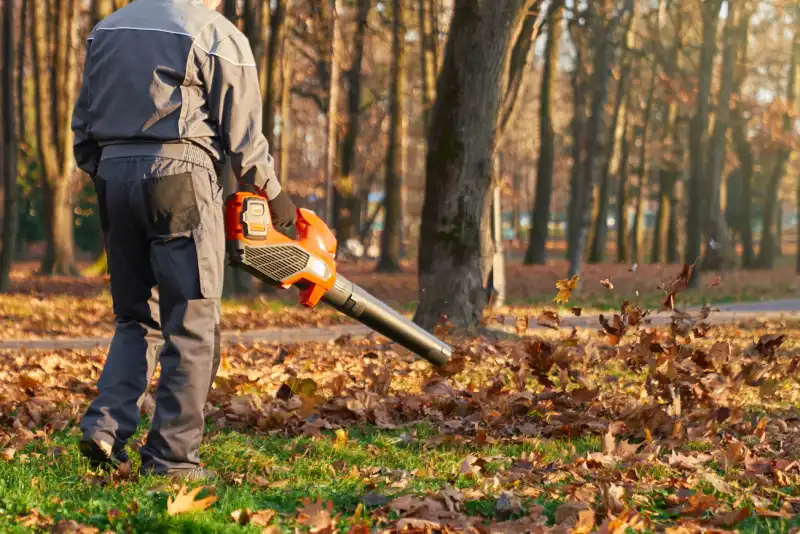
Autumn usually symbolizes the decay of life in nature. People still might be enjoying the Indian summer, but temperatures drop, and rain comes down more often. You have probably noticed the start of the autumn in your garden by spending less time in it and picking up the dead leaves. Freshly fallen leaves look magnificent on the nicely trimmed green lawn, but if you are away from your garden for a long time, then still life does not look so attractive. Rotten leaves not only damage the view of the garden but can also produce a disgusting smell. This is where you might decide to treat the task of leaf collection more seriously and responsibly.

When leaves fall from the trees, they reach the ground or your lawn. They do not fly or walk away; they stay. A big amount of fallen leaves can become a beautiful carpet to walk or take a picture on, but in case of rain, the whole picture can look very unpleasant. Abandoning your garden for more than three weeks and skipping leaf collection could cause significant damage not only to the look of the garden but also to the well-being of the lawn as well. Green grass requires air and sunlight, especially in the colder seasons. Leaves tend to gather in thick piles if they are not being collected, which prevents sun and air from reaching the grass. Big piles of dead leaves in the garden could destroy the upper layer of your lawn and produce a muddy mess across the whole territory of the garden. Due to the lack of sun and excess of rain, moss could easily overtake the grass, so there is a bigger chance that in autumn your garden will look unkempt.

Leaves could also clog up and cover drains, which would block the water from washing away. Wet leaves can be dangerous for homeowners if they are not removed from around the house area. In the periods of heavy rain, blocked drains will make water collect in a pool and cause local flooding.
If you want to avoid all of these inconveniences, you should not let dead leaves settle down in your garden. Do not get upset with the big amount gathered on your lawn uncollected. Also do not be afraid to look old-fashioned and have a garden rake in your shed for leaf collection. The use of this tool might consume time, but it is good exercise as well.
In recent years, leaf collecting has developed and now expert gardeners encourage homeowners to use leaf blowers. All you do is blow leaves from the corners to the center of your garden and then pick them up into big bags. There are the so-called garden vacuums that operate in the same way as vacuum cleaners. Leaves are being vacuumed up and collected in the bag, which can be emptied at any time when needed. Most of these devices also shred leaves while collecting them. Thus, the collected leaves can be used for your compost heap. But bear in mind that most of the garden vacuums can only collect dry leaves! Consult with a specialist if you are thinking of getting one for yourself to collect wet leaves from your garden.
FAQs: Managing Dead Leaves in Your Garden
Why are dead leaves harmful to my lawn?
Green grass needs air and sunlight, especially during colder seasons. When leaves gather in thick piles, they block sun and air from reaching the grass below. This destroys the lawn’s upper layer, creates muddy patches across your entire garden, and allows moss to overtake grass due to lack of sunlight and excess moisture from rain.
What happens if I ignore fallen leaves in autumn?
While freshly fallen leaves look magnificent on trimmed green lawns, leaving them unattended creates problems. Rotten leaves damage your garden’s appearance and produce disgusting smells. The longer you stay away from leaf collection, the worse the situation becomes—what started as a beautiful carpet turns into an unpleasant, smelly mess after rain.
Can dead leaves cause drainage problems around my house?
Yes, leaves clog and cover drains, blocking water from washing away properly. During heavy rain periods, blocked drains cause water to pool and create local flooding around your property. This becomes especially problematic near the house foundation and can lead to water damage if not addressed promptly.
Are wet leaves a safety concern for homeowners?
Absolutely. Wet leaves are dangerous if not removed from areas around the house. They create slippery surfaces that pose fall risks for family members and visitors. This safety hazard increases during autumn when rain is more frequent and leaves accumulate faster on walkways, driveways, and patios.
How does leaf buildup affect my garden’s appearance?
Big piles of dead leaves make your garden look unkempt, especially in autumn when moss easily takes over due to lack of sunlight and excessive rain. The combination of decaying leaves, muddy messes, and dying grass creates an unattractive landscape that reflects poor maintenance rather than the beautiful autumn scenery you might have initially enjoyed.
How often should I collect dead leaves during autumn?
Regular collection is essential throughout autumn as temperatures drop and rain becomes more frequent. Don’t wait for leaves to pile up—treat leaf collection seriously and responsibly by removing them weekly or whenever significant accumulation occurs. This prevents all the problems associated with settled, rotting leaves and keeps your garden healthy.
What’s the main reason to prioritize leaf removal in my garden?
To avoid multiple inconveniences: damaged lawn upper layers, muddy garden territory, moss overgrowth replacing grass, clogged drains leading to flooding, safety hazards from slippery wet leaves, and an overall unkempt appearance. Regular removal protects your investment in your lawn and maintains a beautiful, safe outdoor space throughout the season.
