

How do you fix your house after a rough winter?
Start by inspecting the roof, gutters, foundation, plumbing, and exterior for damage caused by snow, ice, and freezing temperatures. Addressing minor issues early helps prevent costly repairs, improves energy efficiency, and keeps your home safe throughout the year.
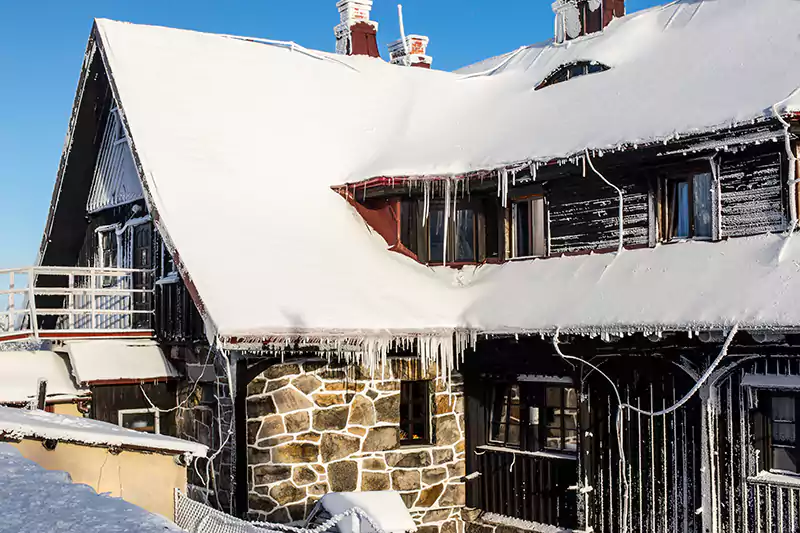
Some states usher in winter with harsh winds, ice storms, and excess moisture. When such weather happens, it can leave your house in need of repair. Damaged roofs, loose siding, and busted pipes are just a few of the typical problems rough winters can cause. But failing to address these problems quickly can be a huge mistake because spring can bring more wind and moisture. So, as soon as the weather starts to warm, it’s a good idea to get started with a few of these tips for maintaining your home.
Repair Your Roof

As soon as winter ends and it’s safe to get on the roof, check for missing shingles or signs of moisture. If you can access your attic, check under the roof for any spots where you see daylight or moisture. If you do notice damage, it’s best to call a professional roofer to make the repairs as soon as possible to prevent further damage.
Check For Leaks

Even small plumbing leaks can cause massive amounts of property damage. If they remain undetected for long, they can seep into your walls, causing damage to the sheetrock and rotting the wood and promoting mold growth.
Many different events can cause these leaks. Foundation shifts, loosened fittings, corrosion, and tree roots are just a few things that can cause cracks in your pipes. But a hard freeze is what you have to worry about in the winter. If your pipes are not well-insulated, the water inside them can sometimes freeze and cause anything from hairline cracks to massive ruptures. And just because you didn’t immediately catch a leak doesn’t necessarily mean one doesn’t exist.
To check your house for water damage, you’ll need to inspect several key areas. First, check your pipes. Take a look at any pipes you know are not well-insulated or are in exterior walls. And continue to check any pipes you can get to by looking for small drops of water or cracks. Next, check the basement. Look for water stains in the ceiling, moldy odors, or damp carpets.
And finally, walk around the outside of the house, paying attention to the roofline underneath the eaves. You might see water stains in spots where the water is collecting in the walls. Furthermore, check the base of the house for standing water on dry days.
If you do happen to notice leaks, it’s always best to call a plumber. They can inspect your hidden plumbing for leaks you may not be able to see. And if leaks are a continued problem, they might even be able to recommend some precautions, such as insulation and sewer pipe lining, to help minimize expenses.
Clean Up Your Yard

Right after winter is the best time to start preparing your lawn for spring. Hopefully, you had plenty of moisture to start your plant growth off right. But if you didn’t, you may need to start turning on your sprinklers on warm days. You’ll also want to pay close attention to any weeds that may pop up before your grass starts to come back to life. You can use a good weed killer, but the best prevention is to pull them up by their roots.
It’s also time to start thinking about lawn decor. If you have outdoor furniture that was damaged, it’s better to replace it now so you’ll be prepared for your first summer barbecue. It’s also a perfect time to catch these items on sale. If you shop for Walmart liquidation products early on, you’re sure to get a fantastic deal.
Prep Your Air Conditioner

Now is the best time to make sure your air conditioning unit is running properly. You’ll most likely have to change the filters, especially if the heating and cooling are the same units. But it’s also a good idea to inspect the coils and remove any dirt buildup that might restrict airflow. If you have window units, hopefully, you removed them for the winter. But if not, go ahead and turn them on to test them. These might also require new filters. But you will also need to ensure there are no leaks in the hoses and that the coils are clean.
FAQs: Home Repairs and Maintenance After a Rough Winter
What should I inspect first after a rough winter?
Begin by checking your roof, gutters, windows, foundation, and plumbing for signs of leaks, cracks, loose materials, or water damage. Early inspections help identify small problems before they become expensive repairs.
How can I tell if winter has damaged my roof?
Look for missing or damaged shingles, sagging areas, water stains on ceilings, and blocked gutters. If you notice significant damage or leaks, arrange a professional roof inspection as soon as possible.
Why is gutter cleaning important after winter?
Snow, ice, and debris can clog gutters, preventing proper drainage. Cleaning them helps reduce the risk of roof leaks, foundation damage, and water pooling around your home.
Should I inspect my home’s foundation after winter?
Yes. Freeze and thaw cycles can create cracks in the foundation or driveway. Repairing these issues early prevents moisture intrusion and helps maintain your home’s structural integrity.
How do I prevent costly repairs after winter?
Schedule a thorough seasonal inspection, repair minor damage promptly, clean gutters, check plumbing for leaks, and maintain your roof and exterior. Preventive maintenance is the most effective way to avoid larger repair costs.
Can I handle post-winter home repairs myself?
You can do many maintenance tasks yourself, such as cleaning gutters, sealing small cracks, and inspecting visible damage. However, you should leave structural repairs, roofing work, or plumbing issues to qualified professionals for safety and long-term reliability.
