

Learn six essential plumbing tips every homeowner should know, from preventing clogs to avoiding costly repairs. Discover simple habits like proper drain use, leak detection, and safe maintenance to keep your home’s plumbing system efficient and problem-free.
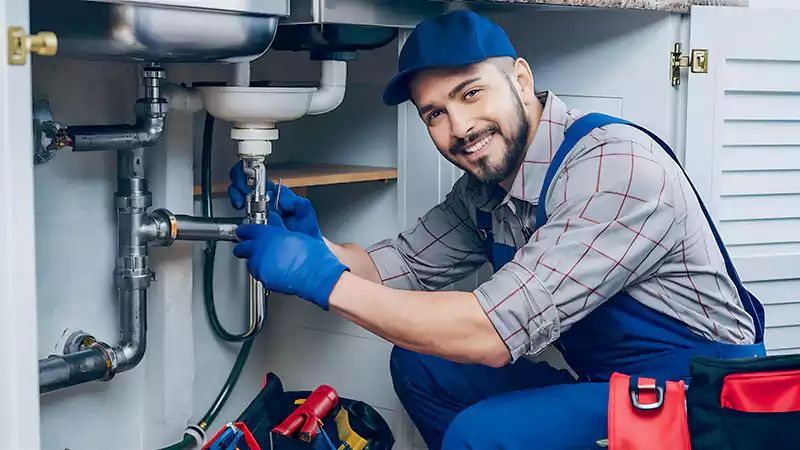
Plumbing problems are quite common, and while some of them can be fixed easily, others require expert supervision. Many emergency plumbing services are always ready to help you with your plumbing needs, but when it comes to small, simple fixes, there are a few things that your plumber wants you to know.
The goal is to avoid any plumbing defects that might lead to a problematic situation. Even though a plumber earns their living by fixing and installing plumbing systems, there are certain things that you should still know to maintain a healthy plumbing system in your home.
In this article, we will discuss a few things that your plumber wants you to know and apply. Let us take a look at the list.
Main Shutoff
It is imperative that you know where the main shut-off in your house is. This valve comes in use in case there is any leak in the plumbing system and helps stop the water from creating a mess. In many states, the main shutoff is located outside the house. Furthermore, while you leave your home for a couple of days, you should always shut off the main valve to prevent any unnecessary damage to your house.
Chlorine Tablets
Although many people tend to use chlorine tablets, your plumber will probably want you to stop using them. This is because a chlorine tablet causes a lot more harm than it does good. Regular use of chlorine tablets causes damage to the rubber parts of the toilet. Additionally, the toilet may not flush correctly if the tablets become stuck in the flush valve during disintegration.
DIY
Many DIYers try to fix their plumbing problems by themselves, which is not a terrible thing, but you should have the adequate knowledge and tools before plunging into resolving the issue yourself. Many DIYers lack the professional tools used by the plumbers and, as a result, can end up causing a lot of damage, which may require a lot of money. So before starting a DIY plumbing project, have your plumber’s number handy. Say, if you live in Minnesota, Schuler Plumbing, Ramsey, MN, is a trustworthy plumbing service to resolve your problems.
Don’t Let Grease Down The Drain
Do not in any circumstances let grease go down your drainage. Grease and oil are detrimental to the health of your plumbing system. The grease that goes down your drain will eventually harden over some time and, as a result, can cause unnecessary blockages in your drain pipes.
Flush The Water Heater
Flushing your water heater at least once a year is essential because a constantly operating heater tends to accumulate sediments. The sediment buildup slows down the heater’s work. The thicker the layer of sediment, the more work your heater has to undergo. So, flushing your heater at regular intervals will increase its lifespan.
Maintaining Your Plumbing System
We often overlook the plumbing system when taking care of our house. In addition to all other household maintenance tasks, it is important to also maintain the plumbing system. You should at least schedule annual maintenance of your plumbing system with a good plumber. Furthermore, always keep the number of emergency plumbing services or your plumber ready for any problem that you are unable to fix yourself.
Final Words
So, here you have it. Some common maintenance tips for your plumbing system that your plumber wants you to know. Follow these tips carefully, and you will be able to maintain a healthy plumbing system at your home and also help yourself understand when you need assistance.
FAQs: Essential Plumbing Tips Every Homeowner Should Know
What are the most important plumbing tips every homeowner should know?
Homeowners should avoid pouring grease down drains, fix leaks early, use strainers to prevent clogs, and schedule regular plumbing maintenance to keep systems running efficiently.
What should you never put down your drain or toilet?
Avoid flushing wipes, grease, food scraps, coffee grounds, and hygiene products. These items can clog pipes and cause expensive plumbing issues over time.
How can I prevent common plumbing problems at home?
Regular inspections, proper drain usage, and addressing minor leaks quickly can prevent major plumbing repairs. Simple habits help maintain a healthy plumbing system.
When should I call a professional plumber instead of DIY fixes?
Call a plumber for persistent clogs, low water pressure, hidden leaks, or pipe damage. DIY fixes are suitable for minor issues, but complex problems require expert attention.
Could you please explain the importance of addressing small plumbing leaks promptly?
Even small leaks can lead to water damage, mold growth, and increased utility bills. Early repair helps avoid costly long-term damage and keeps plumbing systems efficient.
How often should home plumbing systems be maintained?
Basic checks should be done monthly, while a professional inspection is recommended at least once a year to ensure proper functionality.
What are the signs of hidden plumbing problems in a home?
Common signs include damp walls, musty odors, slow drains, low water pressure, and unexplained increases in water bills.
How can I keep my drains and pipes clog-free?
Use drain covers, avoid disposing of grease and food waste in sinks, flush drains with hot water occasionally, and be mindful of what goes into toilets.
