

A home elevator can look elegant when it is planned as part of the room rather than added afterward. Choose a finish that matches your palette, such as glass for an open feel or solid panels for a built-in look. Place the compact unit where it supports your layout and sightlines.
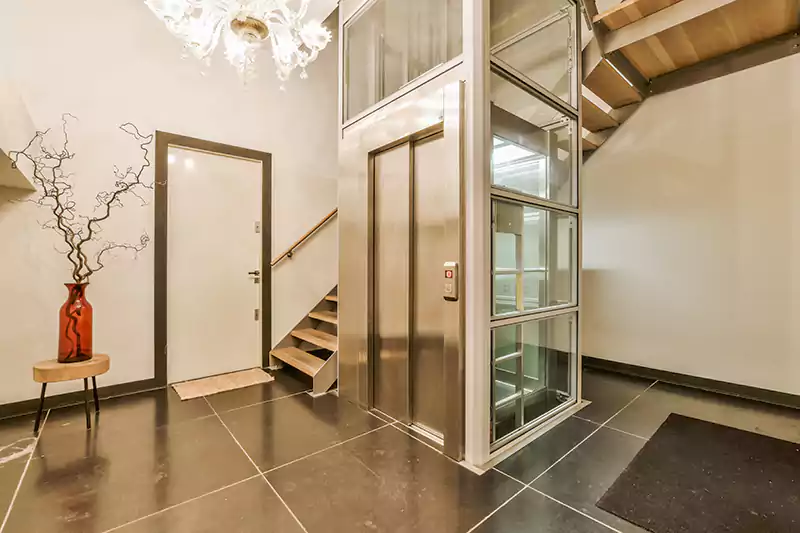
Mention a home elevator and many people still picture something cold and clinical, a boxy metal cage that screams “medical equipment” and clashes with every carefully chosen cushion in the room. That image is seriously out of date. Today’s residential elevators have had a design glow-up, and with a little thought, they can slip into your home as naturally as a built-in bookcase or even become a genuine style statement.
If you’ve been considering an elevator for accessibility or convenience but dread how it will affect your interiors, here’s some reassurance and practical ideas for making it feel at home.
The Home Elevator Grows Up
The biggest shift in recent years is that elevators stopped being purely functional objects and started being designed with aesthetics in mind. Compact modern units no longer need a bulky shaft or a separate machine room, which frees them from the utilitarian look of older systems. The result is a sleek, freestanding feature that you can finish and site to complement your decor rather than fight it.
Designing It Into the Room, Not Around It
The secret to a lift that looks intentional is treating it as part of the design scheme from the start. Professionals represented by the American Society of Interior Designers will tell you that the elements that feel “wrong” in a room are usually the ones added as an afterthought. Plan the elevator’s placement with the same care you’d give a fireplace or a staircase, considering sightlines, flow, and how it frames the space; this way, it will read as a deliberate architectural feature.
Finishes and personalization
This is where the fun begins. Modern lifts come in a range of colors, panel finishes, and glass options, so you can match them to your palette or let them stand out as a focal point. The same material-led thinking that the National Kitchen and Bath Association champions in kitchens and baths, coordinating finishes, textures, and hardware for a cohesive look, applies beautifully here. Glass panels keep things light and contemporary; solid panels in a coordinating hue let the lift blend into the wall; a bold finish turns it into a talking point.
Making the most of small spaces
These units have a compact footprint, often smaller than that of a large armchair, giving you real flexibility in their placement. Tuck one into the corner of a living room, set it into the turn of a staircase, or stack it discreetly between closets. Clever placement means you rarely have to sacrifice the look or function of a room to gain the convenience of a lift.
Lighting and surrounding details can elevate the whole effect, too. A glass-sided lift catches and plays with natural light, keeping a space feeling open rather than boxed in, while a well-placed pendant or a run of coordinated trim can frame the unit so it looks built-in from day one. Consider the floor it lands on and the wall it sits against as part of the composition, not just a backdrop, and the elevator stops looking like an add-on and starts looking like original architecture. The goal is for a visitor’s eye to glide past it or linger admiringly, rather than snag on it as something that doesn’t belong.
Where Design Trends Are Heading
None of this is happening in a vacuum. Design-trend research from platforms like Houzz has tracked surging interest in multigenerational living and universal design, with homes built to work beautifully for people of every age and ability. As that movement grows, accessibility features that are also attractive have become a design priority rather than a compromise, and manufacturers have responded with products made to be seen, not hidden.
Styling the surrounding space matters too. Decor resources such as Better Homes & Gardens are full of ideas for integrating a new architectural element, from coordinating nearby lighting and flooring to using paint and trim to tie the feature into the room. A few thoughtful touches around the lift can make it feel original to the home.
A Feature, Not an Eyesore
The upshot is that choosing a residential elevator that matches with your decor! is entirely realistic today. Between the choice of finishes, the compact and flexible footprint, and the sleek modern engineering, there’s no reason a lift has to look like an afterthought. Approached as a design decision, it can enhance your interiors while quietly future-proofing your home.
The Takeaway
Accessibility and good taste are no longer an either/or proposition. If the only thing holding you back from a home elevator was the fear of ruining your beautiful rooms, it’s worth taking a fresh look. With a bit of planning and the right finishes, you can have a lift that’s easy on the eye and the knees, one your guests might admire rather than politely ignore.
FAQs: Choosing a Home Elevator That Matches Your Decor
Can a home elevator actually look attractive in my house?
Yes. Modern residential elevators come in a range of colors, panel finishes, and glass options, so they can match your palette or become a deliberate focal point. Planning the placement early is what makes the unit feel like part of the architecture.
What finishes work best for a home elevator?
It depends on the look you want. Glass panels keep a space light and contemporary, solid panels in a coordinating shade help the lift blend into the wall, and a bold finish makes it a statement piece. Matching hardware and trim to the surrounding room ties everything together.
Where is the best place to install a home elevator?
Compact units are flexible, so popular spots include a living room corner, the turn of a staircase, or a stacked position between closets. Consider sightlines, traffic flow, and how the elevator frames the space, just as you would when placing a fireplace or staircase.
Will a home elevator take up too much space?
Not usually. Many modern residential elevators have a footprint smaller than a large armchair and no longer need a bulky shaft or separate machine room. That makes them a practical fit even for smaller homes.
How can lighting and styling make a home elevator feel built-in?
Coordinate nearby lighting, flooring, paint, and trim so the lift reads as part of the room. A glass-sided unit also plays with natural light, while a well-placed pendant or matching trim frames it like original architecture.
