

How can I tell if my refrigerator is losing cooling efficiency?
Watch for food spoiling sooner than usual, uneven cold spots between shelves, rising frost or moisture, and unfamiliar buzzing or clicking sounds. These often signal a developing cooling issue before the appliance fails completely.
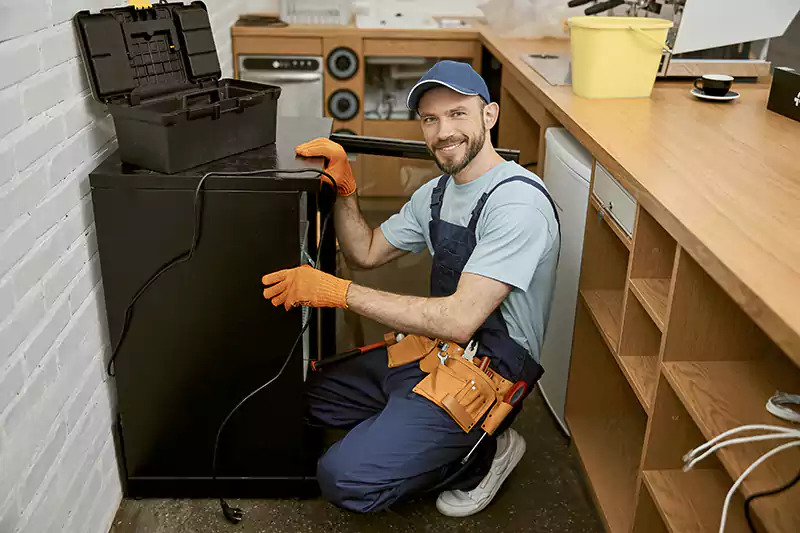
A refrigerator does far more than simply keep food cold. For busy Alpharetta households, it protects everything from weekly groceries and school-lunch ingredients to leftovers and frozen foods while maintaining safe food-storage temperatures around the clock. Because the refrigerator operates continuously, small changes in cooling performance can affect food quality long before homeowners realize there is an appliance problem.
Many refrigerator issues develop gradually rather than suddenly. A worn seal on a door, restricted airflow, an incorrect temperature setting, or an aging component can all slowly affect performance. If you live in Alpharetta and want to protect your food and your fridge, here’s what you need to know about temperatures, early warning signs, and what to do in situations such as power outages.
Highlights
- Keeping your fridge at the right temperature helps keep food fresh and reduces waste.
- Daily routines can improve cooling efficiency and reduce wear on critical components.
- Minor changes in performance are often signs that the refrigerator is developing a problem.
- Routine maintenance ensures reliable operation throughout the year.
- If you have cooling issues, have a professional diagnose the problem before it becomes a performance issue.
Why Your Refrigerator Needs To Maintain A Steady Temperature
Not only is cold storage of food a matter of convenience, but it is also a necessity to keep food fresh, to maintain its texture, and to slow down bacterial growth. Minor temperature fluctuations can shorten the shelf life of everyday groceries and increase food waste.
The first signs are vegetables wilting sooner than usual, milk turning sour faster, or leftovers not lasting as long as they normally do. Homeowners may first notice it when the refrigerator is having trouble keeping stable temperatures. These changes are sometimes blamed on the food itself, but they may also be a sign that the refrigerator is no longer cooling properly.
Keeping food fresh requires constant temperatures, which also help the refrigerator’s cooling system work more efficiently.
Easy Daily Habits That Help Maintain Consistent Cooling
Many cooling problems start with everyday habits that inadvertently make it more difficult for the refrigerator to do its job. Thankfully, small changes can make a big difference in performance and efficiency.
Organize Food to Improve Airflow
Cold air needs room to circulate throughout the refrigerator. Overcrowding shelves or placing large containers directly in front of air vents can create uneven cooling, leaving some foods colder than others.
Avoid Putting Hot Food Directly Inside
Allowing cooked food to cool slightly before refrigeration prevents unnecessary heat from entering the cabinet, helping the cooling system maintain a stable temperature.
Check Temperature Settings Periodically
Temperature settings can accidentally change during cleaning or while organizing groceries. Verifying the recommended settings every so often helps ensure consistent cooling.
Open the Door Only When Necessary
Each time the refrigerator door opens, warm air enters the appliance. Reducing unnecessary door openings helps the refrigerator recover its temperature more efficiently.
What a Refrigerator Technician Says Homeowners Often Miss
While researching this guide, I spoke with Daniel, an experienced refrigerator technician with Appliance EMT, which serves homeowners throughout Alpharetta and the surrounding Metro Atlanta area. I asked him which refrigerator changes homeowners are most likely to overlook before cooling problems become obvious.
According to Daniel, many refrigerators continue cooling even after efficiency has started to decline, making it easy to miss the early signs of a developing problem. He explained that homeowners often focus on whether food still feels cold while overlooking subtle warning signs such as longer compressor cycles, minor frost buildup, warmer sections inside the refrigerator, or door seals that no longer close tightly.
Daniel also noted that simple refrigerator maintenance tasks, particularly cleaning condenser coils and ensuring proper airflow, are frequently postponed until cooling performance has already begun to deteriorate.
4 Warning Signs Cooling Performance Is Changing
Refrigerators usually provide warning signs before a significant cooling problem develops. Recognizing these symptoms early helps maintain food freshness and prevents additional stress on the appliance.
Food Is Spoiling Faster Than Expected
If milk, dairy products, fruits, or leftovers begin spoiling sooner than usual, verify the refrigerator’s temperature settings and ensure the door closes completely after each use. If food continues warming despite these checks, an internal cooling issue may be developing.
Uneven Temperatures Between Shelves
Some foods freezing while others remain too warm often indicates restricted airflow or inconsistent circulation inside the refrigerator. Check for blocked air vents and avoid overloading shelves before assuming a mechanical problem.
Moisture or Frost Is Increasing
Water droplets inside the refrigerator, excess frost in the freezer, or condensation around door seals may indicate airflow issues, worn gaskets, or problems with the defrost system that deserve further attention.
The Refrigerator Sounds Different
Most refrigerators produce normal operating sounds, but louder buzzing, repeated clicking, grinding, or noticeably longer running cycles should not be ignored. These changes often indicate that cooling components are working harder than they should.
Simple Maintenance Worth Doing
Regular maintenance helps refrigerators operate efficiently throughout the year and supports consistent cooling performance.
Simple tasks include
- Cleaning condenser coils according to the manufacturer’s recommendations.
- Wiping door gaskets clean and checking for cracks or gaps.
- Keeping interior air vents free from food containers.
- Leaving enough space around the refrigerator for proper ventilation.
- Checking refrigerator and freezer temperatures periodically.
These small tasks require only a few minutes but can make a meaningful difference over time.
When Maintenance Isn’t Enough
Routine maintenance is important, but some refrigerator problems require specialized diagnosis. Continuing to operate an appliance with unresolved cooling issues may place additional strain on the cooling system and affect food preservation.
Persistent Cooling Problems
If your refrigerator continues to have trouble maintaining a consistent temperature after you’ve checked the settings, door seals, and interior airflow, the underlying cause may require professional diagnosis. Homeowners dealing with recurring cooling issues may need refrigerator repair in Alpharetta to determine whether the problem involves a fan, sensor, control component, or another part of the cooling system.
Electrical or Electronic Control Issues
Display malfunctions, recurring error codes, or electrical irregularities often require specialized testing that goes beyond routine homeowner maintenance.
Cooling Performance Continues to Decline
When cooling efficiency gradually worsens despite regular maintenance, a professional inspection can help identify underlying problems before complete cooling loss occurs.
A Simple Monthly Refrigerator Check
Performing a quick monthly inspection helps identify small problems before they affect refrigerator performance or food freshness.
A practical monthly routine includes
- Confirm refrigerator and freezer temperatures are within the recommended range.
- Inspect door seals for dirt, cracks, or loose sections.
- Listen for new operating sounds.
- Check for moisture, frost buildup, or water leaks.
- Ensure air vents remain unobstructed.
- Schedule coil cleaning according to the manufacturer’s maintenance schedule.
Consistent inspections help maintain reliable cooling while reducing the likelihood of preventable appliance problems.
Final Thoughts
Keeping food fresh depends on more than simply owning a reliable refrigerator. Consistent temperatures, good airflow, routine maintenance, and early attention to small performance changes all contribute to dependable cooling and longer appliance life.
As Daniel explained, many refrigerator problems begin gradually rather than appearing as sudden failures. By combining practical maintenance habits with professional diagnosis when recurring cooling issues develop, homeowners can help preserve food quality, reduce unnecessary appliance strain, and keep their refrigerators operating efficiently for years to come.
FAQs
How can I keep my refrigerator cooling efficiently?
Maintain proper temperature settings, clean condenser coils regularly, avoid blocking air vents, and inspect door seals for signs of wear.
Why is my refrigerator not keeping food as fresh as before?
Declining cooling performance may result from dirty coils, poor airflow, worn door gaskets, incorrect temperature settings, or developing internal cooling problems.
How often should refrigerator condenser coils be cleaned?
Most manufacturers recommend cleaning condenser coils every six to twelve months. Homes with pets or dusty environments may benefit from more frequent cleaning.
What are the first signs that refrigerator cooling performance is changing?
Common early warning signs that refrigerator cooling performance is changing include food spoiling sooner than expected, uneven temperatures, frost buildup, moisture accumulation, and unusual operating sounds.
What should Alpharetta homeowners do with refrigerator food during a power outage?
Keep refrigerator and freezer doors closed as much as possible. USDA guidance says an unopened refrigerator will generally keep food safely cold for about four hours, while a full freezer can maintain temperature for approximately 48 hours. An appliance thermometer can help determine whether food remained at 40°F or below when power returned.
