

To restore a villa without losing its character, document original features first, preserve unique architectural details like staircases and moldings, modernize hidden systems (electrical, plumbing, and HVAC) discreetly, and choose materials that visually match the home’s existing palette.
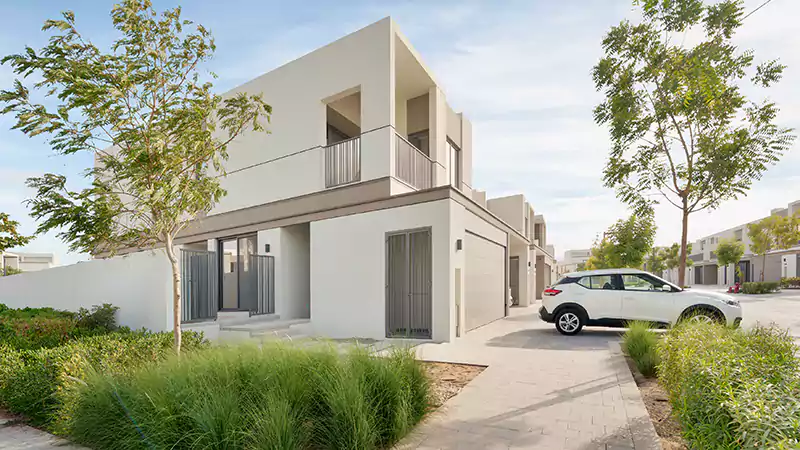
A villa makeover often involves more than a fresh coat of paint or new furniture. What sets many of these homes apart is their layout, their materials, and the architectural touches built into them decades ago. Updating a property with contemporary furnishings can absolutely provide it a fresher feel, but doing that at the cost of the character that made buyers fall for it in the first place is usually a mistake.
A smarter approach is to enhance the home while holding on to what already works. Careful renovation can boost comfort, energy efficiency, storage, and everyday functionality without stripping away the home’s identity. This balance matters especially in Dubai, where villa owners often want modern touches while still protecting the property’s long-term aesthetic value. Homeowners here can work with a reputable villa renovation company to figure out which parts of the villa genuinely need updating and which ones are worth restoring instead.
Get to Know the Villa First
Before any walls, floors, doors, or decorative elements come down, learn everything you can about the property. Look closely at its age, style, original materials, room dimensions, and whatever features have managed to survive over the years.
Some of the most distinctive parts of an older villa are things like the original doors, woodwork, arches, staircases, flooring, ceiling patterns, built-in cabinets, and ornate moldings. They may look tired or dated at first, but they can often be repaired or repurposed instead of replaced.
It also helps to document the property before construction begins. Take photographs and jot down notes about any details that you might move or cover up along the way. This creates a reference point for the restoration and reduces the chances of accidentally losing something worth keeping.
Decide What Stays and What Goes
Some of the older elements simply won’t be worth saving, and that’s fine—the goal isn’t to turn the villa into a museum. What matters is identifying what actually makes the home unique and holding on to as much of that as possible.
Take a grand old staircase, for example. It might have a dated finish, but refinishing it is almost always a better move than tearing it out. Similarly, the area around an existing doorway can often be reworked so people move through it more easily, without touching the doorway itself.
A sensible rule of thumb: update whatever affects convenience, safety, or daily use, but protect the features that give the villa its character. Following this principle helps the renovation feel consistent from room to room.
Upgrade What’s Hidden Behind the Walls
Once the renovation wraps up, you probably won’t be able to tell where the most expensive work actually happened. Systems like electrical wiring, plumbing, HVAC, insulation, drainage, and lighting often need attention in older homes, even if nothing looks wrong on the surface.
Modernizing these systems makes the villa more reliable and comfortable without touching its look and feel. You can install modern electrical outlets, smart-home controls, energy-efficient cooling, and upgraded lighting discreetly, tucked out of sight.
Planning matters a lot here. Before cutting into original walls or ceilings to route new systems, it’s worth accounting for the existing architectural details so nothing gets damaged unnecessarily. Wherever possible, the goal should be to route services around important features rather than through them.
Refresh the Look Without Losing the Soul
Knocking down walls isn’t the only path to an open, airy feel—and honestly, it’s often not the right one for a villa. Part of what makes these homes special is their room proportions and flow.
If you want more natural light or a stronger sense of connection between rooms but don’t want to open up the whole house, try enlarging a few windows or adding glass doors instead. It keeps much of the original structure intact while still making the space feel larger.
The same logic applies to kitchens. You can swap in new cabinets and appliances while keeping architectural details like ceiling work, window placement, or original openings untouched. Done well, the new design should feel like it belongs there rather than looking like it was dropped in.
Stay informed: Abu Dhabi villa refurbishment company
Choose Materials That Match the Original Vision
Whether a remodel feels authentic often comes down to the materials chosen. Mixing too many different finishes across the villa can end up making the rooms feel disconnected from one another.
Before buying anything, take stock of the existing tile, stone, wood, metal, and color palette. New flooring doesn’t need to be an exact match for what’s already there—it just needs to complement the existing tones, proportions, and textures.
When you can’t realistically repair an original feature, a closely matched replacement is often the better route. Instead of giving every space its own distinct style, aim for visual consistency throughout the home.
It’s also worth knowing that finishes chosen for timeless appeal tend to age far better than trend-driven materials. Styles come and go, but materials built to last will keep the home looking good for years.
Approach Exterior Changes Carefully
First impressions are almost always about appearance. Major changes to a villa’s exterior, windows, entryway, landscaping, or boundary walls can entirely change how the whole property reads.
Before making any external changes, consider the property’s existing architecture and the character of the surrounding neighborhood. When new additions echo the proportions and materials of the original structure, the result can look genuinely beautiful. But when the two styles clash, the older and newer sections can end up looking like they don’t belong to the same house.
Depending on the scope of the work, Villa Renovation Company in Dubai may also require permits from the relevant authorities or community management. Structural changes, extensions, exterior modifications, and certain service upgrades can all require approval, so it’s worth confirming these requirements before construction starts.
Add Comfort Through Flexible Features
One of the easiest ways to modernize a villa without compromising its character is to focus on elements that you can change later on.
Updating lighting, furniture, drapes, rugs, artwork, appliances, and decorative pieces can give a space a more contemporary feel without touching the structure at all. It also provides homeowners the freedom to adjust the decor as their tastes change over time.
Storage can be handled the same way. Custom closets, hidden cabinets, under-stair storage, and built-in units designed to match the home’s existing architecture can add real functionality without sacrificing style.
This approach lets the house feel current without chasing every passing trend.
Work With Professionals Who Understand the Region
The people carrying out the renovation have a huge influence on how well the finished result matches the home’s character. A contractor with a “replace everything” mindset can actually work against their expertise, driving up costs and demolishing things that never needed to go.
A skilled renovation team will thoroughly assess the home first, noting any features worth preserving and flagging which ones genuinely need to be replaced. Homeowners searching for experienced help with villa renovations or similar improvement projects might consider hiring Taj Mahal LLC.
Clear communication matters just as much. Homeowners should have real input on materials, layout changes, restoration decisions, and finishes. The best approach to renovating a villa takes both the existing layout and how the family actually lives in the space into account, all while respecting its historic character.
Final Thoughts
Thoughtful decision-making is what ultimately preserves a villa’s character through a renovation. A fresh coat of paint isn’t always the answer, and removing an outdated feature doesn’t automatically improve a home.
Start by identifying what makes the villa unique. Restore what can be saved, upgrade the systems that have fallen behind, and add new features that build on the existing design rather than working against it.
Renovating a villa with its historic charm and practical needs in mind can do more than improve its appearance. Done right, it can make the home more comfortable and functional while keeping its lasting character fully intact.
FAQs: How to Restore a Villa Without Losing Its Character
How do I renovate a villa without losing its historic character?
Start by documenting the property’s original features before construction begins, then focus on preserving elements like staircases, moldings, and doorways while updating hidden systems such as wiring and plumbing behind the walls.
What villa features are usually worth preserving during a renovation?
Original doors, woodwork, arches, staircases, flooring, ceiling patterns, built-in cabinets, and ornate moldings are typically the features that give an older villa its distinctive character and are worth restoring rather than replacing.
Which systems in an older villa usually need to be modernized?
Electrical wiring, plumbing, HVAC, insulation, drainage, and lighting often need upgrading in older homes. These improvements can be installed discreetly so the villa’s original aesthetic stays untouched.
Do villa renovations in Dubai require permits?
Yes, depending on the scope of work. Structural changes, extensions, exterior modifications, and certain service upgrades may require permits from local authorities or community management, so it’s best to confirm requirements before starting.
How do I choose materials that match a villa’s existing style?
Take stock of the current tile, stone, wood, metal, and color palette before purchasing anything new. New materials don’t need to be an exact match—they just need to complement the existing tones, proportions, and textures.
Why does hiring the right renovation contractor matter for a villa?
A contractor’s approach directly affects how well the renovation preserves the villa’s character. Skilled teams assess the home thoroughly, flag which features are worth keeping, and avoid unnecessary demolition that drives up costs.
