

Agricultural electrical services keep farms safe by protecting sheds, pumps, and machinery from damp, dust, surges, and overloaded wiring. A licensed farm electrician installs safety switches, proper earthing, surge protection, and correctly sized cables. Regular inspections catch warning signs early, which prevents fires, shocks, and costly breakdowns during busy seasons.
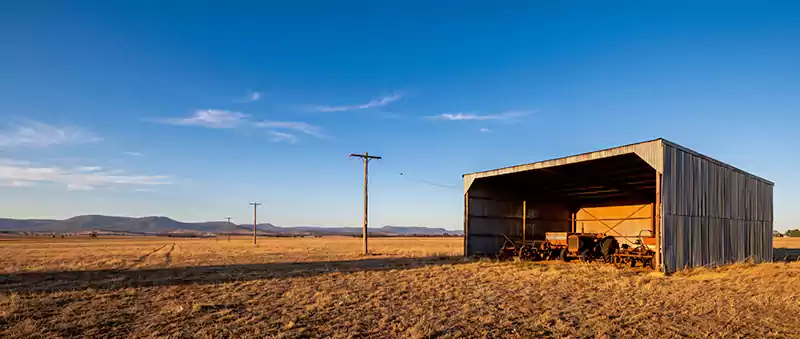
People don’t always realise just how much farms rely on electricity. There’s power running to sheds for lighting, water pumps running all day and night, and machinery that only works if the supply’s rock is steady. When something goes wrong in any part of that setup, the fallout is bigger than just fixing a blown fuse. That’s why reliable agricultural electrical work is so important for every farm—it protects buildings, equipment, animals, and the people working there.
Let’s dig into what actually goes on behind the scenes. Electrical safety matters for sheds, pumps, and all sorts of farm equipment, and there’s a lot property owners can do to stay ahead of electrical trouble.
Why Electrical Safety on Farms Isn’t Like Anywhere Else
Farms are rough places for wiring and equipment. You’ve got dust, damp, heat, vibration, and curious animals—everything works against electrical gear and wears it out much faster than it would in a regular house. Then there are the long runs of cable between buildings, and chances are the wiring’s been patched and added over decades. What worked fine years ago just isn’t enough for the load today.
Regular electrical work isn’t always enough here. You need electricians who understand agriculture—people who design systems that handle long cable runs, remote switchboards, damp sheds, and dirty environments. If you plan for what actually happens on a farm, everything lasts longer and is a whole lot safer.
And the consequences can be severe. Electrical faults can burn down sheds, start fires in storage, or give serious shocks—especially around wet ground or metal structures. When pumps or cool rooms stop working in busy times, livestock or produce can spoil fast, and the farm takes a real hit.
Some common electrical risks on farms include
- Moisture sneaking into outlets or switchboards
- Dust clogging up components and making them overheat
- Rodents chewing through wires
- Old circuits overloading as new gear is added
- Old, worn-out insulation that can’t handle the job anymore
Keeping Your Sheds Safe
Sheds are the heartbeat of the farm. Welding, power tools, compressors, lighting—you name it, it happens there. It’s also where fuel and chemicals get stored, so it’s easy to see why electrical safety needs real focus.
Wiring and Switchboards
Too often, sheds get more power points or gear without a clear plan. Extension cords snake across floors, double adapters get added everywhere, and switchboards end up packed with mismatched parts. A good agricultural electrician starts by looking at how the shed is actually used, figures out what’s really needed, and then designs the setup around that.
What Really Matters for Shed Safety
Safety switches (RCDs) trip the power fast if there’s a leak—those save lives, so every shed circuit should have one. Breakers need to be the right size and labelled so anyone can kill the power in a hurry if something goes wrong.
Simple Shed Upgrades:
- Put in sealed, dust-proof power points where you do the messy jobs
- Brighten things up with proper lighting so you can actually see hazards
- Use solid wiring instead of long extension leads
- Keep the switchboard covered and clutter-free
- Run dedicated circuits for heavy gear like welders or compressors
Fire Risks in Storage Areas
Hay, fuel, fertiliser, and chemicals—if an electrical fault hits near these, things turn dangerous fast. Sparks from a damaged wire or a hot fitting can set off a fire in dry or dusty spots before you even notice. Sealed fittings, proper cable protection, and a routine electrical check make all the difference.
Protecting Pumps and Water Systems
Pumps are the heart of any farm. They keep water moving for livestock, irrigation, and firefighting—lose one in a summer heatwave, and things get serious quick. And since pumps often sit far from the house in low-lying, damp spots, you can’t just install them anywhere and expect everything to work out.
What Can Go Wrong?
Pumps see a lot of abuse. Motors burn out when voltage drops over long cables. Undersized wiring trips breakers. Control boxes become soaked. If a level sensor fails, pumps run dry. Storms can spike the power and fry everything. A lot can go wrong.
Why Good Support Matters
A skilled electrician knows how to size the cables for distance, fit weatherproof boxes, and install proper overload and surge protection. They’ll set up float switches and timers so your pumps shut off before running dry. If you’re using solar pumps, every bit of wiring, panel, and controller needs the same attention—one loose connection can quietly cut your output for months before you notice.
Earthing and Bonding—Don’t Ignore It
All those metal pump housings, pipes, and tanks need real earthing. Otherwise, a fault sends current through someone (or an animal) instead of harmlessly into the ground. Corrosion and loose wires chip away at this safety net over time, but a quick test from a good electrician keeps everything in check. Strangely enough, this issue often gets ignored until there’s already been a nasty surprise.
Keeping Your Machinery Safe and Running
Motors work everywhere—grain augers, feed mixers, milking machines, chillers, you name it. If the power supply isn’t up to snuff, machines overheat, trip out for no reason, or wear out sooner than they should. Cool rooms and dairy chillers are really sensitive—they can’t afford to lose power, even for a few hours, unless you want spoilt products.
Sorting Out Power Quality and Protection
Country power isn’t always steady. Voltage can swing, and storms bring in surges. Surge protectors, well-balanced loads, and the right cables make a big difference. Upgrades shouldn’t just fix what broke—they need to look at the whole network.
Safe Machinery Means Good Habits
- Place an isolator next to every large machine so you can turn off the power before working on it.
- Make sure emergency stops are handy and do their job.
- Use cables that can handle outdoor and heavy use.
- Test and tag gear on schedule.
- Always keep guards, covers, and terminal boxes in place.
Don’t Wait—Catch Problems Early
Electrical trouble usually warns you if you’re paying attention. Nipping problems early is always cheaper than waiting for a full-blown crisis. Watch for signs like:
- Flickering or dimming lights when a machine starts
- Warm power points or plugs
- Burning smells near switchboards or motors
- Breakers that trip again and again
- Gear that buzzes or crackles
Get agricultural electrical services to check things regularly. They’ll look over switchboards, safety switches, cables, earthing, and every connection. You’ll get a list of what actually needs fixing, not just guesswork.
Think Ahead—Plan for Growth and Backup
Farms grow. Maybe you’re putting up another shed, installing a bigger pump, or adding more cool room space. Do a load check first—sometimes the old supply just can’t keep up.
The same goes for backup power. Your generator needs a proper changeover switch to keep line workers safe—no one wants current flowing back up the wires. Solar and batteries can reduce your reliance on the grid, but they must be designed to power the most important things when you need them—like pumps and cold rooms.
Picking the Right Electrical Service
Go with someone who holds current electrical licences (and solar accreditations if you’re in that game), has real-world farm experience, gives clear quotes, and stands behind their work with compliance certificates. A prompt breakdown response is a must. The best providers understand farming seasons and work around harvests, calving, and irrigation, so they’re not in your way.
Final Thoughts
Solid sheds, reliable pumps, and machinery that keeps going all come down to one thing: good electrical work. Out on the farm, things break down at the worst possible moment, so prevention is always cheaper than fixing disasters. Investing in the right electrical services protects your equipment, your bottom line, and your family. Stay on top with regular checks and be ready for the future. Power stays safe and dependable, year after year.
FAQs: Agricultural Electrical Services for Farm Safety
Why is electrical safety on a farm different from a regular property?
Farms deal with dust, moisture, heat, vibration, and rodents, all of which wear out wiring faster than in a home. Long cable runs between buildings and decades of add-on wiring also raise the risk of faults, shocks, and fires.
What electrical upgrades make a farm shed safer?
Start with safety switches (RCDs) on every circuit, sealed dust-proof power points, and dedicated circuits for welders and compressors. Replacing long extension leads with fixed wiring and keeping the switchboard covered and clutter-free also cuts the risk significantly.
How can I protect farm pumps from burning out or running dry?
Use cables sized for the distance to avoid voltage drop, and fit weatherproof control boxes with overload and surge protection. Float switches and timers shut the pump off before it runs dry, and solar pumps need their wiring and controllers checked just as carefully.
What warning signs suggest my farm has an electrical problem?
Watch for lights that flicker when machines start, warm plugs or power points, burning smells near switchboards or motors, and breakers that keep tripping. Buzzing or crackling equipment is another warning sign, so check these issues as soon as possible.
What should I look for when hiring an agricultural electrician?
Choose a licensed electrician with real farm experience, clear written quotes, and compliance certificates for their work. Fast breakdown response matters too, and the best providers schedule jobs around harvest, calving, and irrigation seasons.
