

Lighting and church furniture should be planned together in a sanctuary renovation because light changes how wood stains and upholstery appear. Warm 2700K to 3000K lighting suits traditional wood pews, while cooler light needs careful color matching. Always test samples in your actual space.
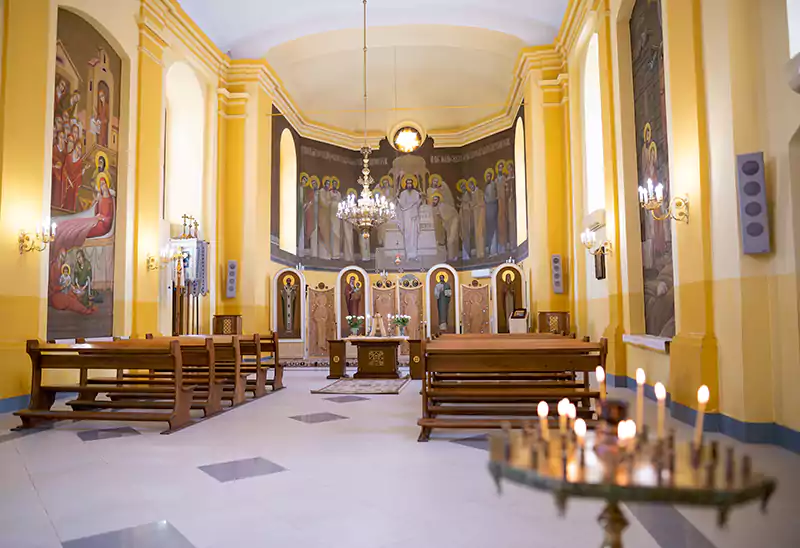
When a congregation decides to renovate their sanctuary, the conversation almost always starts with seating. Which pews need replacing? Is the layout working? Should we add upholstery? But somewhere in the middle of those discussions, someone raises a question that often gets pushed to the end of the planning process: what about the lighting?
Here is the thing. Lighting and church furniture are not separate decisions. They are deeply connected, and how well they work together will determine whether your finished sanctuary feels like the sacred, welcoming space you envisioned or something that just feels “off” without anyone being able to explain why.
This guide is for facilities managers, building committees, and anyone leading a sanctuary renovation who wants to understand how these two elements interact and how to plan for both in a way that produces a cohesive, beautiful result.
Why Lighting and Furniture Planning Belong in the Same Conversation
Imagine spending months selecting the perfect pew stain, coordinating the upholstery color with your carpet, and finally seeing everything installed, only to realize that the existing overhead lighting casts the wood in a yellow hue that clashes with everything. Or that the new pendant fixtures you love hang at a height that creates glare across the backs of the pews, making it hard for people in certain seats to see the chancel area clearly.
These are not hypothetical problems. They happen in real renovations when lighting and furniture selections are treated as independent phases.
Wood tones, fabric colors, and finish choices all respond to light differently. A stain that looks warm and rich under natural daylight can read as muddy or flat under cool fluorescent lighting. In the showroom, upholstery fabric that appears charcoal may look almost navy under certain LED color temperatures. When you are making finish and fabric selections, the type and quality of light in your space is not a backdrop detail. It is part of the equation.
Understanding Color Temperature and What It Does to Wood and Fabric
If you have ever noticed that some sanctuaries feel warm and inviting while others feel clinical or cold, color temperature is often the reason.
Color temperature is measured in Kelvins (K). Lower numbers, in the range of 2700K to 3000K, produce a warm, amber-toned light similar to incandescent bulbs. Higher numbers, from 4000K and above, move toward cool white and daylight tones.
For most traditional sanctuaries with hardwood pews and warm wood tones, lighting in the 2700K to 3000K range tends to be the most flattering. It enhances the richness of oak, cherry, and walnut finishes, makes upholstered pews feel inviting rather than institutional, and supports the overall warmth that most congregations want in their worship space.
Cooler lighting can work beautifully in contemporary sanctuaries with lighter wood tones or more minimalist aesthetics. But it requires careful coordination with your furniture and finish selections. What reads as a warm gray fabric under 3000K light can shift noticeably cooler under 4500K or 5000K sources.
The practical takeaway: before you finalize any wood stain or upholstery selection, view those samples in your actual space, under the lighting conditions you plan to use after the renovation.
How Pew Layout and Lighting Zones Work Together
Sanctuary lighting is rarely one uniform wash of overhead light. Most well-designed worship spaces layer multiple lighting zones: general ambient lighting for the nave seating area, accent or directional lighting for the chancel and altar, task lighting for reading and music, and sometimes architectural or decorative fixtures that serve both function and atmosphere.
Pew layout directly affects how these zones perform.
In a traditional rectangular sanctuary with straight pews, lighting design is relatively straightforward. Fixtures can be spaced to provide even coverage along consistent rows. But in fan-shaped or radial sanctuaries with curved pews, the geometry changes. Curved pew rows vary in length, and their angles shift from front to rear. Lighting designers working in these spaces need to account for that variation to avoid creating dark pockets or over-lit areas.
If you are planning a curved pew installation as part of your renovation, share your pew layout drawings with your lighting designer early. The same applies in reverse: if lighting changes are happening first, your furniture manufacturer needs to understand where the light sources will be and how the space will be zoned before finalizing details like finish placement or any built-in features like reading lights or end-panel details.
Chancel Furniture and Dramatic Lighting: Getting the Balance Right
The chancel area, which includes pieces like the pulpit, clergy chairs, communion table, and lectern, is typically the visual focal point of the sanctuary. Lighting in this area is often more intentional and directional, designed to draw focus and support the liturgical action happening there.
This is where the coordination between lighting design and furniture selection becomes especially important for aesthetics.
Highly polished wood finishes and certain upholstery fabrics can create unwanted glare or hot spots under directional stage-style lighting. If your chancel lighting plan includes theatrical or directional fixtures, your furniture finishes may benefit from a lower-sheen option that reads beautifully without reflecting light back into the congregation’s eyes.
Similarly, the color and finish of your chancel furniture will look different under spotlighting than it does in ambient light. If the furniture will be seen primarily under directional lighting during services, try to evaluate finish and fabric samples under similar conditions before making final selections.
Natural Light: Your Most Powerful and Unpredictable Variable
Many historic sanctuaries were built with an abundance of stained glass or large clear windows, and natural light plays a major role in the worship experience throughout the day. If your renovation involves restoring or replacing stained glass, adding new windows, or changing how natural light enters the space, that decision will affect how your furniture looks at every service.
Stained glass in particular casts colored light across the nave that shifts through the day. Deep jewel-toned windows in the afternoon can bathe pew sections in rich color. That can be stunning. But it can also mean that a fabric you selected in neutral daylight now reads with a distinct color cast during peak service hours.
There is no formula for solving these issues. The best approach is awareness. Walk your space at different times of day before finalizing furniture selections. If you are replacing windows or modifying stained glass as part of the renovation, keep your building committee informed about how those changes may affect the visual appearance of seating and furnishings.
Practical Planning Tips for Getting Both Right
Involve both vendors early: If possible, introduce your lighting designer and your furniture manufacturer to each other’s plans before either finalizes specifications. Even a brief conversation can surface conflicts that would otherwise show up on installation day.
Use accurate lighting mockups: Many lighting designers and audio-visual firms can provide renderings or physical mockups of how a space will look under proposed fixtures. If they can, take advantage of their expertise during your furniture selection process.
Evaluate samples on-site: Request physical samples of wood stains and upholstery fabrics. Place them in your actual sanctuary under your current lighting, and if possible, under the proposed new lighting conditions. Color corrected photos from a manufacturer’s website are not a substitute for this step.
Think in terms of systems: A sanctuary renovation is really a systems project. Seating, lighting, acoustics, and flooring all affect each other. The more your planning process treats them as connected rather than sequential decisions, the better the finished result will be.
Plan for flexibility over time: LED lighting systems, in particular, offer the ability to adjust color temperature and dimming levels after installation. If your budget allows, investing in a controllable system gives your facility team the ability to fine-tune the lighting environment for different service types and times of day, which means your furniture will look its best across a wider range of conditions.
A Renovation Worth Getting Right
Sanctuary renovations are significant investments of time, money, and congregational trust. The seating, the finishes, the lighting, and the overall environment all carry meaning for the people who worship there. When these elements are planned together rather than in isolation, the result is a space that honors that investment and serves your congregation well for decades.
Lighting will not fix the wrong furniture, and beautiful worship seating will not compensate for lighting that makes a space feel cold or uninviting. But when both are chosen carefully and coordinated intentionally, they reinforce each other in ways that are hard to articulate but impossible to miss.
If you are in the early stages of a sanctuary renovation, build the lighting conversation into your furniture planning process from the beginning. These decisions connect, and treating them that way will make a meaningful difference in the space you create.
FAQs: Lighting and Church Furniture in a Sanctuary Renovation
Why should lighting and church furniture be planned together?
Wood stains, upholstery, and finishes all look different under different lighting. A stain that feels rich in daylight can turn flat or muddy under cool fluorescent bulbs. Planning both together helps you avoid color clashes, glare, and costly surprises on installation day.
What color temperature works best for a traditional sanctuary with wood pews?
Lighting between 2700K and 3000K is usually the most flattering. This warm range brings out the depth of oak, cherry, and walnut finishes and makes upholstered pews feel welcoming rather than institutional. Cooler light can suit contemporary spaces with lighter woods, but it needs careful coordination.
How does pew layout affect sanctuary lighting design?
Pew layout determines how evenly light reaches each seating area. Straight rows are easy to light, but curved or fan-shaped rows vary in length and angle, which can create dark pockets or over-lit spots. Sharing your pew drawings with your lighting designer early helps prevent these issues.
How can I reduce glare on chancel furniture under directional lighting?
Highly polished finishes can reflect directional or stage-style lights back toward the congregation. Choosing a lower-sheen finish on the pulpit, lectern, and clergy chairs helps them look refined without hot spots. It also helps to view samples under similar spotlighting before you decide.
How should I test wood stain and upholstery samples before ordering church furniture?
Place physical samples in your actual sanctuary and check them at different times of day, under both your current and proposed lighting. Stained glass and natural light can also shift how colors appear. Website photos are not a reliable substitute for this on-site assessment
