

What To Do When Your Basement Floods?
If your basement floods, don’t step into the water yet. First, cut power to the basement from the main breaker panel (never enter the basement to do this work if the panel is down there — call an electrician instead). Once power is confirmed off, identify the water source: a burst pipe means shutting off the main water supply immediately, while groundwater or sewer backup requires a different response.
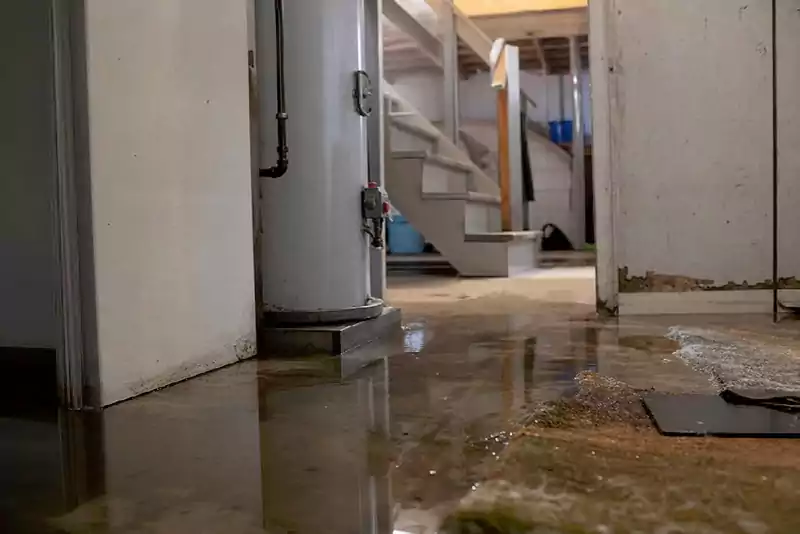
A flooded basement is one of the most stressful things a Grand Rapids homeowner can face. Water moves fast, damage adds up quickly, and it’s challenging to know what to do first. This action plan walks you through exactly what to do in the hours and days after your basement floods. Grapids Home Services, a Grand Rapids HVAC, plumbing, and electrical company serving West Michigan since 1999, is one local resource homeowners turn to for help after a flood.
Your Basement Just Flooded. Here’s What to Do First.
Spring snowmelt and summer thunderstorms push water into basements across West Michigan every year—especially in low-lying neighborhoods near the Grand River like Creston, the Westside, and the John Ball Park area. When it happens, follow these steps in order, because the sequence matters.
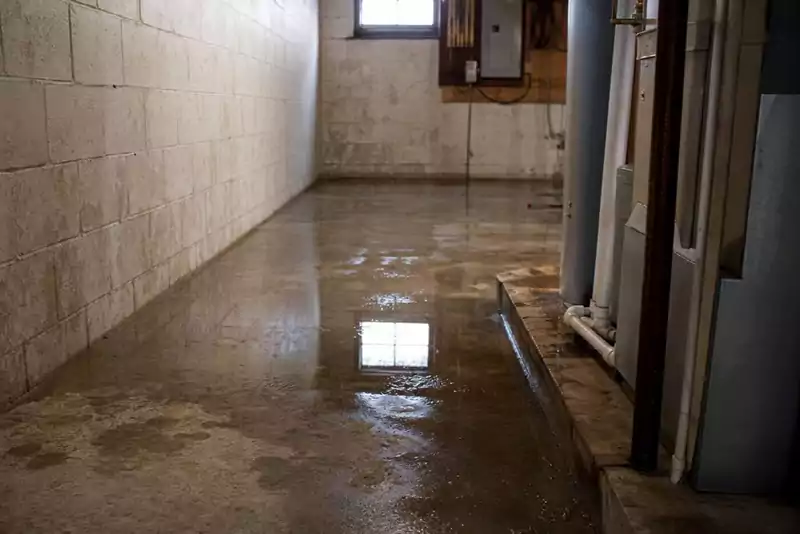
Step 1: Do Not Go Downstairs Yet
Water and electricity are the first danger. Cut power to the basement before anything else:
- Stay on dry ground. Do not step into standing water before the power is off.
- Locate your main electrical breaker panel. If it is on the main floor or in the garage, shut off the breaker from there.
- If your breaker panel is in the basement, do not enter. Call an electrician before going down.
- Once power is confirmed off, identify your water source. A burst pipe means shutting off the main water supply immediately. Groundwater or a sewer backup requires a different response.
Step 2: Document Before You Touch Anything
Photograph and video everything before moving a single item. Insurance companies require this documentation, and if you discard damaged materials before you record them, it can hurt your claim. Call your insurer first, then a plumber. Use only a wet/dry vacuum rated for liquids—a standard household vacuum creates a shock hazard around water. Grapids Home Services’ sump pump installation team handles these calls regularly and can identify whether the source is a plumbing failure or groundwater intrusion.
Why Grand Rapids Basements Flood: The Most Common Causes
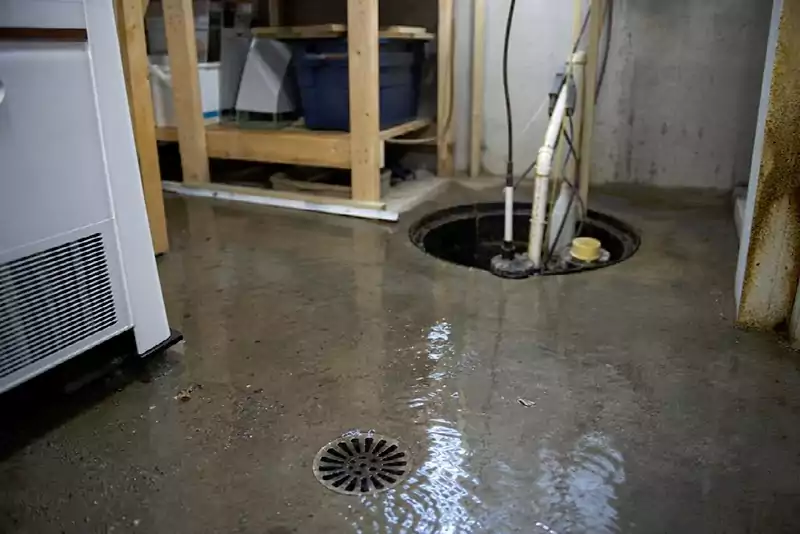
Sump Pump Failure
Sump pump failure is the leading cause of basement flooding in West Michigan. The three most common failure points are a stuck float switch, a burned-out motor, and power loss during the storms that demand the pump work hardest. Homes near Riverside Park and below the Belknap Lookout bluff sit at lower elevations where the seasonal water table climbs close to the basement slab. A battery backup system addresses the power-loss problem; a high-water alarm provides early warning. If a pump is more than seven to ten years old, it is worth inspecting before spring.
Heavy Rain and Snowmelt Overwhelm Drainage
West Michigan averages about 37 inches of precipitation per year (NOAA, Grand Rapids station). The real trouble comes in April and May, when heavy rain falls on soil already saturated from snowmelt, creating hydrostatic pressure that forces water through foundation cracks and window wells. Older districts such as Eastown and Heritage Hill include some of the oldest housing stock in the city, where hairline cracks and undersized perimeter drains let water in before a sump pit ever fills. Re-grading soil away from the foundation, extending downspouts at least six feet from the wall, and sealing window wells all reduce the load on a drainage system.
Sewer Backup
Many homes in Heritage Hill, Eastown, and Creston still carry original vitrified clay or cast iron sewer lines. Tree roots intrude into joints, and when the municipal sewer surges during a heavy storm, it pushes sewage back through basement floor drains. If the water has a foul odor or dark color, treat it as sewage until confirmed otherwise. A backwater valve on the main line is the most reliable defense.
Burst or Leaking Pipes
Michigan’s freeze-thaw cycles stress pipes in uninsulated basement walls. Many mid-century homes were plumbed with galvanized steel that scales from the inside out until it splits. A slow leak from an aging water heater, washing machine hose, or corroded pipe can go unnoticed for weeks. Grapids Home Services recommends inspecting exposed pipes in unheated spaces before each winter and replacing aging galvanized lines with copper or PEX.
Frequently Asked Questions
How fast does mold grow after a basement flood in Michigan?
Mold can begin growing within 24 to 48 hours. West Michigan’s average July relative humidity sits around 70 percent, which slows basement drying significantly. Remove soaked drywall, insulation, and wood framing as quickly as possible.
Is basement floodwater safe to walk through?
It depends on the source. Clean water from a burst pipe is a much lower risk than sewer backup water, which is a biohazard. If sewage odor or discoloration is present, wear full protective gear and call a professional before entering.
Does homeowner’s insurance cover basement flooding in Grand Rapids?
Standard homeowner’s insurance does not cover flooding from groundwater or heavy rain, but it typically covers sudden damage from burst pipes or failed appliances. Document everything with photos and video before touching anything—that documentation is what gets a claim approved.
How do I know if my sump pump is working correctly?
Pour water slowly into the sump pit and watch the float rise. The pump should kick on, discharge water, then shut off cleanly. A pump that runs but moves no water likely has a blocked or frozen discharge line. Run this test in late February or early March, before spring snowmelt begins. For most local basements, a pump rated for at least 35 to 50 gallons per minute keeps up with seasonal inflow.
What is the most common cause of basement flooding in West Michigan?
Sump pump failure is the top cause, especially during spring snowmelt and summer thunderstorms. A battery backup pump and annual maintenance are the most effective preventive measures. Lower-lying lots and homes near the Grand River floodplain face elevated risk every spring.
