

Coastal conditions affect residential windows through salt-laden air, moisture, wind and sun exposure. Airborne salt can corrode metal hardware and damage protective coatings, while moisture exploits ageing seals and wind places extra pressure on frames and fixings — making material selection, hardware and installation quality especially important for coastal homes.
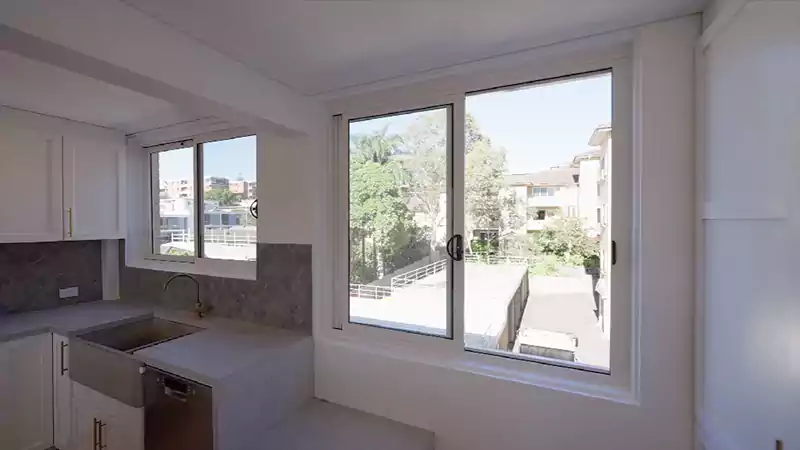
Living near the coast has many advantages, but the environment can be tough on building materials. Windows tend to cop the worst of it. Frames, glass, seals and hardware are all sitting there day after day, dealing with moisture, wind, sun and salt carried in by the air.
It’s something worth thinking about if you’re in a coastal or near-coastal part of Sydney, particularly if you’re maintaining an older home or planning a renovation. Talking to window replacement specialists in the Sutherland Shire is a good starting point — they can look at your existing windows and help you figure out which materials and configurations actually suit your property’s location and exposure. Knowing how coastal conditions wear on windows also means you’re more likely to catch a problem while it’s still small.
Salt-Laden Air Can Affect Window Components
You don’t need to be right on the water for salt to be an issue. Fine particles travel through the air and settle on whatever surface happens to be in the way, windows included. That’s part of why windows are so exposed — they have several different materials and moving parts in one place. Hinges, locks, handles, and fasteners: if these are made from the wrong materials or finishes, corrosion can set in. Once that starts, it doesn’t just look bad; it can start affecting how the window actually operates.
Frames aren’t immune either, and how much attention they need depends on the material, the finish and the condition they’re already in. A protective coating is meant to act as a barrier between the frame and the outside world, but once that finish starts wearing away or breaking down, so does the protection. Exposure isn’t the same for every home, either — a house facing straight out to the coast is dealing with something quite different from one tucked further inland or shielded by other buildings and trees. So location and orientation genuinely matter when you’re assessing a window’s condition.
Moisture Can Find Its Way Into Vulnerable Areas
Coastal living usually means more regular exposure to moisture, whether from rain, humidity or passing weather systems. A well-designed window that’s been installed properly should handle normal weather without much trouble, but ageing seals, damaged frames or a dodgy installation can all give moisture a way in. Watch for staining near the window, peeling paint, damp patches or materials nearby starting to break down — these are usually the first clues.
It’s also worth remembering that water showing up near a window doesn’t automatically mean the glass or frame is at fault. Flashing, cladding, sealant or another part of the building envelope could be the real source. That’s why it’s important to find the actual cause rather than just putting more sealant over a gap and hoping it will work. Older windows in particular deserve regular attention, since materials tend to deteriorate slowly and quietly. Catching the early signs can help you avoid much more extensive damage later on.
Strong Winds Place Additional Demands on Windows
Coastal areas experience a lot of strong wind, and windows are an important part of the building’s outer shell. That means glass, frames, seals and fixings all take on pressure they wouldn’t otherwise face. The right window system for a given property depends on a few factors: the building’s design, its height, its orientation and how exposed it is. A window that works fine somewhere sheltered won’t necessarily hold up on a property that catches the full force of coastal weather.
Weather seals matter more than people tend to think. Once they start to deteriorate, you’ll often notice draughts creeping in or outside noise becoming more obvious. Wind-driven rain can also expose weak points around the window that hadn’t shown up before. All of which means homeowners choosing replacement windows shouldn’t just be thinking about looks. Size, opening style, frame design, glazing and how it’s installed all play a part in how the finished product actually performs — and the right choice really does depend on the building and its specific conditions.
Window Materials and Hardware Need Careful Selection
Every window material behaves a little differently, so the surrounding environment should factor into what you choose. Aluminium is common in residential builds and can be finished with a protective coating, but how well it holds up — and how much upkeep it needs — depends a lot on the level of exposure. Timber has its own look, but it generally needs proper finishing and regular maintenance to protect against moisture and weathering. Hardware matters just as much.
Locks, rollers, hinges, fasteners — small parts, but their condition is often what decides whether a window opens, closes and locks the way it should. Products built for tougher environments are usually made with materials or finishes chosen specifically for better corrosion resistance. It’s worth having an honest conversation with your window provider about how exposed your property actually is, rather than picking something purely on looks or price. The goal, really, is a complete window system that suits both the home and where it sits.
Regular Cleaning and Maintenance Can Make a Difference
Window maintenance matters everywhere, but coastal conditions make it worth doing more often. Cleaning the frames and glass gets rid of built-up dirt and salt before it has a chance to cause damage. Stick to the cleaning method the manufacturer recommends, especially for coated or finished surfaces — and don’t forget the tracks, since a clogged track is often why sliding windows and doors start sticking. While you’re at it, that’s also a good time to check for early warning signs: damaged seals, loose hardware, corrosion, a window that’s suddenly harder to open or close, or changes in the finishes around it.
You can usually handle small maintenance jobs easily enough when you catch them early. But if you find yourself repairing the same window again and again because the deterioration has gone too far, that stops making sense after a while. When frames, hardware or the surrounding structure are significantly affected, it’s worth getting a broader assessment done to work out whether repair still makes sense or replacement is the better call. For bigger properties with many windows, keeping even basic maintenance records can save a lot of guesswork later.
Replacement Can Be an Opportunity to Improve Performance
When windows finally reach the end of their working life, replacing them is a chance to do more than just swap in a newer version of what was already there. It’s worth thinking about how each room actually uses its windows. Some spaces might need better ventilation; others might need more control over sunlight, privacy or noise from outside. The way a window opens can also change how easy it is to use and to clean day to day. Glazing is worth considering too, within whatever budget and design the home calls for.
A renovation is also a chance to bring some consistency to how the property looks overall, especially in homes where windows have been replaced piecemeal over the years rather than all at once. Installation still matters just as much as the product itself — even the best window on the market won’t perform properly if it isn’t integrated correctly into the building around it. Looking at the frame, glass, hardware, seals and installation as one package tends to give the most practical result in the long run.
Conclusion
Salt-laden air, moisture, wind and constant weather exposure all put extra strain on residential windows near the coast. How much any of that matters depends heavily on the property itself — how close it sits to the water, which way it faces, and how sheltered or exposed it really is.
Regular cleaning and the odd inspection can help catch corrosion, failing seals, operating issues and moisture problems before they get serious. And when it’s time to replace windows, the material, hardware, glazing and installation all need to be weighed up together, with the property’s own conditions in mind. Choosing windows that actually suit the local environment is really what gives homeowners a result that holds up, works properly, and stays comfortable to live with.
