

To choose the right roofing contractor for a new roof installation, verify their state license and current liability insurance, request a detailed written estimate covering materials and labor, compare both the manufacturer’s and workmanship warranties, and read reviews that discuss communication and cleanup rather than generic praise. Be cautious of quotes that are 30-40% below those of competitors, and avoid contractors who pressure you to sign immediately after a storm.
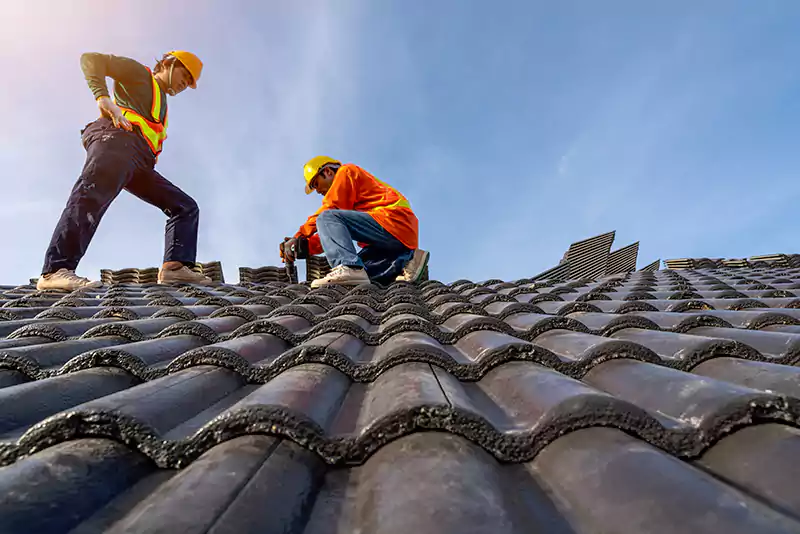
Your roof deals with a lot. Sun, rain, wind, hail, and years of slow wear that you don’t notice until water shows up on your ceiling. So when it’s time for a new roof installation, the contractor you pick matters just as much as the shingles they use. A good crew can give you a roof that lasts for decades. A careless one can leave you with leaks, arguments over warranties, and repair after repair.
Picking the right roofing contractor isn’t hard, but you do need to ask the right questions before you sign anything. Here’s what to look for.
Check Licensing and Insurance First
This step is not optional. Before anyone gets on your roof, make sure they have the right state license (if your state requires one) plus current liability insurance and workers’ comp coverage.
Why does the issue matter so much? If a worker gets hurt on your property and the company has no insurance, you could end up paying for it. And if the contractor isn’t licensed, you may not have much recourse if the job fails inspection or falls apart. Ask to see proof of both. A company that’s legit won’t hesitate to show you.
Choose a Contractor Who Knows Your Area
A new roof installation done by a local crew is usually a smarter choice than hiring an out-of-town company that only shows up after storms. Local roofers know what materials actually hold up in your climate, whether that means heavy heat, snow, or hail.
They’re also easier to check up on. Ask how long they’ve been working in your town and look for a real business address, not just a phone number and a truck. A company that’s been around for years is usually doing something right. Companies that do poor work usually get found out quickly.
Read the Reviews Carefully
Reviews can help, but only if you read them the right way. A pile of five-star reviews that just say “great job!” tells you less than a smaller batch of reviews that go into detail about the crew’s communication, cleanup, timeline, and how they handled anything that went wrong.
Pay attention to how a company responds to negative reviews too. Every business gets an unhappy customer eventually. What matters is whether they respond calmly and try to resolve the problem or get defensive and blame the customer.
Get Everything in Writing
A contractor you can trust will come look at your roof in person, check the structure, and give you a written estimate that spells out materials, labor, cleanup costs, and how long the job will take. You want more than just a number written on a napkin.
Be careful with quotes that come in way lower than everyone else’s. Roofing costs don’t vary that much within one area, so a bid that’s 30 to 40 percent cheaper usually means something is being cut. Maybe it’s thinner underlayment, fewer nails per shingle, or a subcontracted crew with no real supervision. At the same time, the most expensive quote isn’t automatically the best one either. Get a few estimates so you know what’s normal, then judge based on value, not just price.
Ask About Both Warranties
There are actually two warranties involved in any new roof installation, and homeowners often mix them up.
- The manufacturer’s warranty covers problems with the materials themselves, like shingles that wear out too soon.
- The workmanship warranty covers how the roof was installed. This one protects you if a leak happens because of a mistake during installation, not a defective batch of shingles.
Some manufacturers only offer their best warranties to contractors who’ve earned a certain certification. Ask if your contractor has it. It can mean stronger protection for your new roof.
Pay Attention to How They Communicate
Notice how a contractor talks to you during the estimate. Do they call you back when they say they will? Do they take the time to explain things clearly rather than rushing you into a decision? Can they answer your questions about materials and the timeline directly?
A typical roof installation takes one to three days, depending on the size of the job, but things can come up. Weather delays, material shortages, or something unexpected once they open up the roof. A contractor who tells you right away when plans change is a lot less stressful to deal with than one who goes quiet.
Watch Out for Pushy Sales Tactics
Be cautious of any roofer who wants you to sign immediately, especially right after a storm hits your neighborhood. Storm chasers often flood into an area after bad weather, promise to deal with your insurance company for you, and pressure homeowners into fast decisions. Some of these companies vanish before they even finish the job.
Take your time. A real, trustworthy contractor will let you think it over, compare a few quotes, and check references without pushing you.
Call the References
A list of past customers who are willing to talk to you is one of the best ways to know if a contractor is any good. When you call them, ask real questions. Did the crew show up when they said they would? Did they clean up the property afterward? Did the final bill match the original quote? Would they hire this company again?
If a contractor won’t give you any references, take that as a warning sign.
Making Your Final Choice
Choosing a roofing contractor means weighing licensing, experience, communication, and value all together. It’s not about grabbing the cheapest bid and crossing your fingers. The right contractor treats your new roof installation like a long-term investment in your home, not just another job to rush through.
That’s the approach Eagle Watch Roofing takes on every project. From the first roof inspection to the final cleanup, Eagle Watch Roofing sticks to honest estimates, solid materials, and work built to actually last, because a roof only protects your home if it’s installed the right way the first time. If you’re getting ready for a new roof installation and want a team that treats your home like it matters, Eagle Watch Roofing is ready to help you do it right.
FAQs: How to Choose the Right Roofing Contractor
How do I choose a roofing contractor I can trust for a new roof installation?
Verify their state license (where required) along with current liability insurance and workers’ comp coverage. A trustworthy contractor will show proof of both without hesitation and will happily walk you through a detailed written estimate.
What should I check before hiring a roofing contractor?
Look at licensing and insurance, how long they’ve worked in your area, and reviews that mention specifics like communication, cleanup, and timeline rather than vague praise. Always get a written estimate before signing anything.
What’s the difference between a manufacturer’s warranty and a workmanship warranty?
A manufacturer’s warranty covers defects in the roofing materials themselves, such as shingles wearing out prematurely. A workmanship warranty covers the installation, protecting you if a leak results from an installation error rather than a bad batch of materials.
How long does a new roof installation typically take?
Most roof installations take one to three days, depending on the size of the job. Delays can happen due to weather, material shortages, or issues found once the old roof is removed, so a contractor who communicates changes promptly is a reassuring sign.
Why should I be cautious about unusually low roofing quotes?
Roofing costs don’t vary much within a single area, so a bid that’s 30 to 40 percent cheaper than others often signals cut corners, such as thinner underlayment, fewer nails per shingle, or an unsupervised subcontracted crew.
