

A water bill can rise without a change in household usage due to hidden causes like a running toilet, a slow pipe leak, a dripping tap, or a faulty irrigation system. Checking the water metre with all taps and appliances switched off is the most reliable way to confirm whether water is being lost somewhere on the property.
A water bill that suddenly jumps can be genuinely confusing, especially when nothing about your household has really changed. The same number of people, no extra garden watering, and no big shift in laundry or showers — so where is the extra water going? Chances are it’s happening somewhere you simply can’t see.
Some jumps have a perfectly ordinary explanation. Others point to a leak or a plumbing problem that needs sorting out. If you can’t work out which one you’re dealing with, a licensed plumber servicing Balaclava can inspect the system and help pin down whether water’s escaping through a fixture, a pipe or something else entirely. Knowing the usual suspects at least gives you a place to start looking.
Check Whether Your Actual Water Usage Has Changed
Before assuming there’s a plumbing fault, please pull out your last few bills and compare them. Focus on the actual consumption figure, not just the dollar amount — tariffs and other charges can inflate costs even when usage hasn’t changed much.
Don’t forget the seasons, either. Warmer months tend to mean more water for gardens, pools, outdoor cleaning and longer showers, and it’s easy not to notice that creeping up. Had visitors been staying, or was there a change in routine at home? That’ll do it too. It’s also worth checking exactly which dates the bill covers, since a longer billing period will naturally show a bigger total. If usage really has jumped and none of this explains it, you should start looking at individual fixtures and the plumbing system as a whole.
A Running Toilet Can Waste Water Quietly
A toilet can get through a surprising amount of extra water without ever leaving a puddle behind. If something inside the cistern isn’t sealing properly, water can trickle — or gush — into the bowl continuously or on and off, and because it drains straight away, you’d never know just by looking. Listen out for the toilet refilling itself when nobody’s been near it, or a faint hiss of running water that doesn’t quite stop.
Parts inside the cistern wear out over time, or occasionally they’re just adjusted slightly wrong. One running toilet doesn’t sound like much, but over 24 hours it can waste a lot of water. If yours keeps topping itself up or seems to run longer than it should after a flush, it’s worth a look rather than just tuning out the sound.
Hidden Pipe Leaks May Not Be Immediately Visible
Plenty of leaks never show themselves as an obvious puddle. Pipes run through walls, under floors, through ceilings and underground, so a small leak in any of those spots can carry on for quite a while before anything becomes visible. Look for damp patches, discolouration, peeling paint, a musty smell, or flooring that is damp for no clear reason. Outside, an unusually soggy patch of lawn or a suspiciously lush section of garden can sometimes be worth a closer look too.
That said, not seeing any of these signs doesn’t guarantee your plumbing is leak-free. If your water metre keeps ticking over while every tap, appliance and other known water user is switched off, that’s worth chasing up — just make sure anything that runs automatically has actually finished its cycle first. If a basic visual check doesn’t find anything, professional leak detection might be the next step.
Dripping Taps and Fixtures Can Add Up Over Time
It’s tempting to ignore a dripping tap because one drop at a time seems like nothing. But a tap that drips all day, every day, adds up to real water — and if you’ve got more than one leaking fixture, that effect compounds. Go around and check kitchen and bathroom taps, showerheads, outdoor taps and anything else that dispenses water. Look under sinks and vanities as well, since a leaking connection or flexible hose can drip slowly enough to go unnoticed for ages while quietly damaging the inside of the cabinet.
Outdoor taps are easy to forget about simply because you’re not using them every day. While you’re checking fixtures, look over the visible pipe connections for moisture, corrosion or staining — none of that automatically means there’s an active leak, but it does flag spots worth watching more closely. Fixing small drips early can also save you from moisture damage to nearby cabinetry, walls or finishes down the line.
Outdoor Plumbing and Appliances Can Be Responsible
Sometimes the extra water isn’t coming from inside the house at all. Garden irrigation systems can spring leaks in the pipes, fittings or sprinkler heads, or an automatic watering schedule might have been bumped up by accident and now runs more often than you’d expect. Check hoses, outdoor taps and the irrigation setup for signs of ongoing dampness. Appliances deserve a look too — dishwashers, washing machines and anything else plumbed in rely on hoses, valves and fittings that can fail quietly. Check what connections you can access, and follow the manufacturer’s guidance if an appliance seems to be using more water than it should.
Hot water systems can also release water under certain normal operating conditions, but that doesn’t mean any discharge you notice is automatically fine. Since systems vary, it’s worth getting a professional opinion if you’re unsure whether what you’re seeing is expected. Looking past the obvious indoor fixtures gives you a much fuller picture when you’re trying to track down unexplained usage.
Use Your Water Metre to Narrow Down the Problem
Your water metre is genuinely one of the best tools you have here. Pick a stretch of time when nobody in the house needs to use water, turn off every tap, and make sure nothing’s mid-cycle. Note the metre reading, then leave everything alone for a while before checking it again. If the number’s moved, something on the property is using water — an appliance, a fixture, or a plumbing fault somewhere. Before you jump to “hidden leak”, though, double-check that the toilets aren’t refilling, the irrigation hasn’t kicked in, and nothing’s started an automatic cycle in the background.
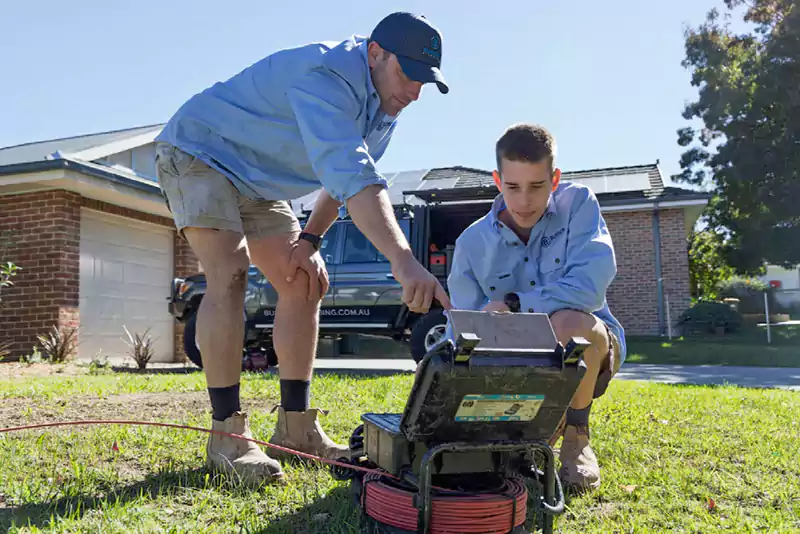
If consumption keeps climbing and you still can’t pin down where it’s coming from, a plumbing inspection is the sensible next move. Try to resist the urge to start opening up walls or floors or digging around underground just because you suspect something’s hidden — locating the actual source first saves a lot of unnecessary mess. The earlier an unexplained increase gets investigated, the sooner you’ll know what’s really going on and what needs fixing.
Conclusion
A sudden spike in your water bill doesn’t automatically mean there’s a serious plumbing problem, but it’s not something to shrug off either. Start simple: check the billing period and compare your actual usage. From there, work through toilets, taps, the plumbing connections you can see, outdoor systems and anything plumbed into an appliance.
If the source still isn’t obvious, your water metre can give you another solid clue. And if usage keeps climbing even with everything switched off, it’s time to look further. Catching the cause early not only cuts down on wasted water — it can also stop a hidden plumbing issue from turning into a much bigger, more expensive problem down the track.
