

A restaurant interior designer in Toronto can assist restaurant owners in creating dining spaces that are attractive, functional and profitable. Through strategic layout planning, lighting design, branding, furniture selection, and customer experience optimization, professional designers improve guest satisfaction while supporting operational efficiency and business growth.
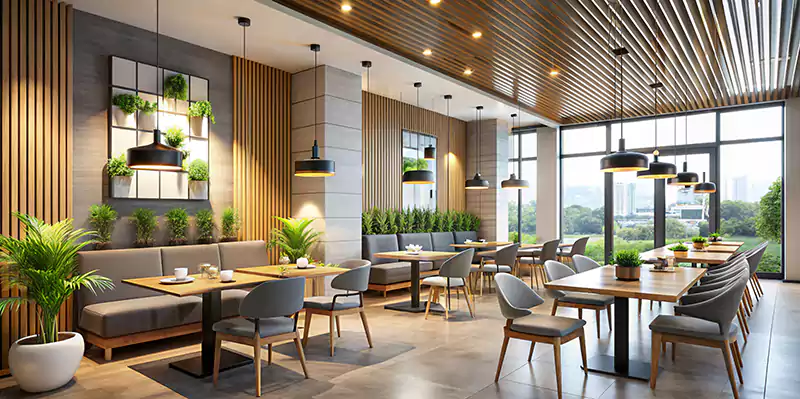
Good food gets people through the door. In Toronto’s restaurant scene, though, it’s rarely what keeps them coming back. Today’s diners want the full picture — outstanding cuisine in a space they actually enjoy being in. That’s where a skilled restaurant interior designer Toronto comes in. A well-executed interior doesn’t just look the part—it shapes how guests feel, reinforces what your brand stands for, and has a real, measurable impact on revenue.
Whether you are implementing a new concept, renovating an existing space or rebranding your entire business, hiring a professional interior designer is one of the smartest moves you can make.
Why Restaurant Interior Design Matters
Interior design isn’t simply about choosing the right chairs or landing on a paint color that doesn’t clash. It’s about building a space that tells a story, connects with the right audience, and holds up under the pressure of daily service.
A thoughtfully designed restaurant can:
- Leave a lasting first impression before a single dish hits the table
- Keep guests comfortable and give them reason to return
- Encourage longer stays and higher spend per table
- Build brand recognition no marketing budget can replicate
- Help your team move and work more efficiently
- Squeeze more profitability out of every square foot
In a city as competitive and culturally layered as Toronto, a distinct visual identity isn’t optional — it’s a business asset. Professional design gives you a space worth walking into, and more importantly, worth talking about.
Understanding the Toronto Restaurant Market
Toronto is genuinely one of the most culinarily diverse cities on the planet. Upscale steakhouses, family-run trattorias, buzzy ramen spots, and farm-to-table bistros all compete for the same customers — and the bar keeps rising.
People don’t just eat with their mouths anymore. They eat with their eyes, their phones, and their sense of occasion. Ambiance, aesthetics, and social media appeal now factor heavily into where someone chooses to spend their evening.
An experienced restaurant interior designer understands all of these factors. They know the local landscape, what customers expect, the regulations specific to Toronto, and how to build spaces that are both visually compelling and operationally sound. For more on the high-end side of the market, take a look at High-End Interior Designers Toronto.
Key Elements of Restaurant Interior Design
Concept Development
Every great restaurant begins with a clear sense of what it wants to be. Long before a material is chosen or a floor plan sketched, designers sit down with owners to understand their vision, their cuisine, who they’re cooking for, and the story they want to tell.
Whether the goal is a refined steakhouse, a casual sushi bar, or a cozy neighborhood café, the design should make that identity unmistakable. Concept development typically covers:
- Brand identity integration
- Theme creation
- Customer experience planning
- Material and color selection
- Mood and atmosphere design
A strong concept creates consistency across the whole space—and gives guests something to carry with them when they leave.
Space Planning and Layout
Layout touches everything: how many guests you can seat, how service flows, whether the atmosphere feels open or claustrophobic. Every square foot has to justify itself.
Skilled designers think carefully about:
- Dining areas and table configurations
- Waiting and reception zones
- Bar placement
- Kitchen access and back-of-house flow
- Staff circulation paths
- Washroom placement
- Accessibility requirements
When the layout is working, guests barely notice it. That’s exactly the point.
Lighting Design
Nothing shifts the feel of a space faster than lighting. The same room can read as intimate and romantic under warm, low light, or lively and energetic under brighter, cooler tones. A skilled designer knows how to use that contrast intentionally.
Restaurant lighting typically blends the following:
- Ambient lighting for overall illumination
- Accent lighting to highlight features or artwork
- Decorative fixtures that become focal points
- Task lighting for functional areas
- Natural light, where available
Get the lighting right, and food looks better, the space feels warmer, and guests are simply less inclined to leave.
Furniture Selection
Furniture has to serve two purposes: it needs to look right and survive daily wear. Comfortable seating keeps guests at the table longer, which has a direct effect on what they spend.
Designers choose furniture with the following in mind:
- The overall style and aesthetic of the restaurant
- Who the target customer is
- Durability and maintenance needs
- Space constraints
Quality furniture that genuinely fits the space pays for itself over time.
Material and Finish Selection
Restaurant interiors take a beating. Between service rushes, spills, and constant foot traffic, materials have to look good and actually last. Designers balance visual appeal with real-world performance—choosing finishes that age well and are easy to keep clean.
Popular choices include:
- Natural wood for warmth and texture
- Stone surfaces for durability and sophistication
- Metal accents for an industrial or modern edge
- Durable upholstery for comfort and longevity
- Decorative tiles for character and easy cleaning
- Sustainable materials for eco-conscious brands
Current Restaurant Design Trends in Toronto
Toronto’s restaurant scene moves fast, and design trends move with it. The best designers stay close to what’s working well with customers — and what’s quietly fading out.
Sustainable Design
Increasingly, restaurant owners are making environmentally responsible choices — not just because it’s the right call, but because their guests expect it. Sustainable materials, energy-efficient lighting, and eco-conscious furnishings have gone from niche to near-standard in new builds and renovations alike.
Open Concept Layouts
Open kitchens have gone from novelty to norm. Watching food being prepared adds a layer of transparency and theater that diners genuinely respond to—and it builds trust in what they’re being served.
Social Media-Friendly Spaces
An Instagram-worthy interior is a legitimate marketing asset. Statement lighting, murals, bold design choices — these details get photographed and shared. When guests post your space, you get organic reach that’s impossible to buy outright.
Biophilic Design
Plants, natural textures, wood, and daylight. Biophilic design pulls the outside in, and it resonates particularly well in urban settings like Toronto, where many diners crave a moment of calm amid the city.
Flexible Dining Areas
Fixed layouts are increasingly limiting. More restaurants are designing spaces that adapt—reconfiguring for different group sizes, private events, or shifting meal periods. More flexibility means more revenue opportunities across the day.
Benefits of Hiring a Professional Restaurant Interior Designer
Commercial interior design is far more complex than it looks from the outside—most owners only discover the truth once they’re deep into a project. Bringing a professional in from day one tends to save significant time, money, and stress down the line.
Industry Expertise
Experienced designers understand how restaurants actually function — the rhythm of service, the demands on staff, building codes, and health regulations. That knowledge helps catch problems before they become expensive mistakes.
Strong Brand Identity
Your interior should be doing some of your marketing for you. A professional designer builds a cohesive environment that reinforces your brand at every touchpoint — from the front door to the table settings.
Increased Customer Appeal
An attractive, well-considered space draws people in and gives them a reason to come back. Guests are far more likely to recommend — and photograph — a space that genuinely impresses them.
Improved Efficiency
Good design makes the day-to-day easier for everyone. Thoughtful layouts improve staff movement, reduce bottlenecks during service, and create a smoother experience overall.
Cost Savings
There’s an upfront cost to hiring a designer, yes. But getting the layout wrong, choosing materials that won’t hold up, or building a space that simply doesn’t work—those mistakes cost far more to fix after the fact.
Designing for Customer Experience
When you strip it back, exceptional restaurant design is really about how people feel while they’re in the space. Every decision — ceiling height, seating firmness, acoustics — contributes to that feeling.
The factors that tend to matter most to guests:
- Comfortable seating that encourages them to linger
- Noise levels appropriate to the dining style
- Lighting that flatters both food and people
- Intuitive flow through the space
- Décor that feels thoughtful, not generic
- A clean, welcoming atmosphere from the moment they walk in
When the space feels right, guests stay longer, spend more, and tell their friends.
Restaurant Renovation and Remodeling Services
Not every project starts from a blank slate. Many Toronto operators choose renovation over relocation — and with the right designer, a tired space can be completely transformed without the upheaval of a full rebuild.
Common renovation projects include:
- Dining room redesign
- Bar area upgrades
- Lighting improvements
- Furniture replacement
- Brand modernization
- Space reconfiguration
A skilled designer can take an aging restaurant and turn it into somewhere worth seeking out — while keeping the regulars who already love it.
Choosing the Right Restaurant Interior Designer in Toronto
The designer you choose will leave their mark on your space for years. It’s worth being deliberate about the decision.
Look for:
- Proven experience in hospitality and restaurant design
- A strong portfolio of relevant, comparable projects
- Familiarity with Toronto’s local regulations and building codes
- Creative problem-solving — not just a formulaic playbook
- Clear, collaborative communication throughout
- Positive reviews from previous clients
The right designer won’t just execute your brief—they’ll push it further than you imagined.
Conclusion
Toronto’s restaurant industry is as competitive as any in the world. Exceptional food is now the baseline. What actually sets a restaurant apart — what keeps guests coming back and prompting them to tell others — is the experience. A professional restaurant interior designer in Toronto helps you build that experience deliberately, from concept through to the final finish.
Every design decision shapes how guests feel in your space — whether you’re opening something new or reinventing something that’s run its course. Investing in great design is one of the smartest calls a restaurant owner can make, for the business and for the guests you’re working to win over.
FAQs: Restaurant Interior Designer Toronto
Why should I hire a restaurant interior designer in Toronto?
A professional restaurant interior designer helps create a space that enhances customer experience, supports efficient operations, strengthens brand identity, and increases customer retention. Their expertise can help maximize both functionality and profitability.
What services does a restaurant interior designer provide?
Restaurant interior designers typically offer concept development, space planning, lighting design, furniture selection, material sourcing, branding integration, renovation planning, and project coordination to ensure a cohesive dining environment.
How much does restaurant interior design cost in Toronto?
Costs vary depending on the restaurant size, design complexity, renovation scope, and materials used. Most projects are customized, making it important to request a detailed consultation and quote before starting.
How does restaurant interior design affect customer experience?
Interior design influences how guests feel within a space. Factors such as lighting, seating comfort, layout, acoustics, and décor contribute to customer satisfaction, longer visits, repeat business, and positive reviews.
What restaurant design trends are popular in Toronto?
Popular trends include sustainable materials, open-concept kitchens, social media-friendly interiors, biophilic design elements, flexible seating arrangements, and modern lighting solutions that enhance ambiance and functionality.
Can a restaurant interior designer help with renovations?
Yes. Restaurant interior designers often manage renovation and remodeling projects, helping businesses modernize outdated spaces, improve layouts, update branding, and create a more appealing dining environment.
How long does a restaurant interior design project take?
Project timelines depend on the size and scope of work. New restaurant builds and major renovations may take several months, while smaller redesign projects can often be completed more quickly.
What should I look for when choosing a restaurant interior designer?
Look for hospitality design experience, a strong portfolio, knowledge of Toronto building regulations, creative problem-solving skills, positive client feedback, and clear communication throughout the project.
