

Timely plumbing maintenance for commercial properties means inspecting pipes, drains, fixtures, and water heaters on a regular schedule and fixing small faults before they escalate. It prevents costly water damage, protects hygiene standards, cuts water waste, and helps businesses avoid unexpected downtime.
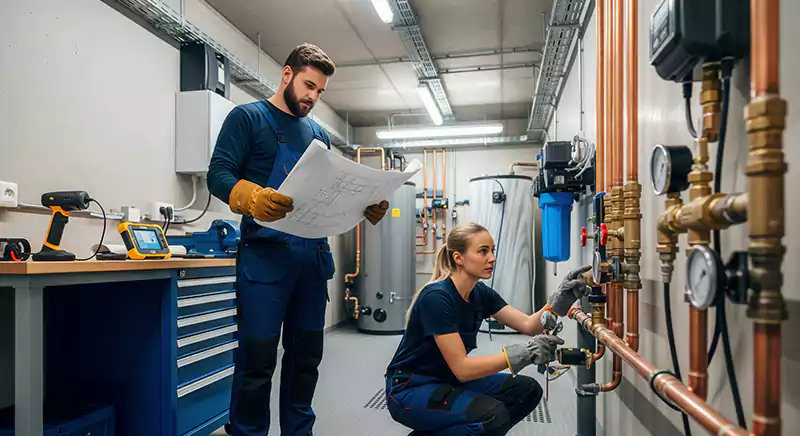
Commercial buildings lean on their plumbing more than most people notice. Offices, restaurants, shops, warehouses, and all sorts of other business premises need clean water coming in and wastewater going out day after day to stay safe and keep working. If left alone, even a small fault can disrupt the whole day. One blocked toilet on a Monday morning can leave a queue outside the only working washroom. Regular checks, prompt repairs, and sensible upkeep keep businesses clear of avoidable disruption and protect the building itself.
Plumbing in a commercial building tends to be far more involved than in a typical house, simply because it covers bigger spaces and takes a lot more daily use. A busy hotel’s pipes see more traffic in a weekend than a family home’s do in a month. Knowing the usual trouble spots and spotting the early warning signs puts property managers in a much better position to decide what needs doing and when.
Common Plumbing Problems in Commercial Buildings
Constant use, aging pipework, and shifting water demands mean commercial buildings run into a fair few plumbing problems. Leaks top the list. Even a slow drip can, over time, ruin walls, ceilings, floors, and anything stored nearby. A brown stain on a ceiling tile is often the first clue. Leaks tucked out of sight can also encourage mold and push up water use without anyone realizing.
Blocked drains are the next most common cause, especially in restaurants, hotels, and buildings with shared washrooms. Grease, scraps of food, soap scum, and all manner of other debris slowly build up inside the pipes and choke the flow. Once a blockage gets bad enough, it can bring nasty smells, sluggish drains, or dirty water backing up where nobody wants it. Few things empty a restaurant faster than a gurgling sink at dinner time.
Washroom fittings need regular care, too. Running toilets, damaged taps, faulty flushes, and dripping urinals quietly send a surprising amount of water down the drain over the months. On their own, each one looks like a small nuisance. Spread across a large building, though, a handful of faulty fittings can quickly lead to a significant maintenance problem.
Why Businesses Should Address Plumbing Issues Early
Putting off repairs is how a manageable job turns into a costly one. A small leak in a pipe can end up damaging the structure of the building, and a drain that’s only partly blocked can close up completely. Water damage doesn’t stop at the walls, either. It can reach electrics, equipment, furniture, and stock. One burst pipe over a weekend can ruin a whole storeroom before anyone arrives on Monday.
Businesses that serve the public have even more reason to keep their plumbing in excellent order. Restaurants, healthcare settings, hotels, and commercial kitchens all have hygiene standards to meet. When the plumbing fails, cleaning routines slip, washrooms close, and other essential tasks grind to a halt. A handwritten “out of order” sign on a washroom door rarely leaves customers with a favorable impression.
Working with a qualified commercial plumber kansas city businesses can rely on it to help property managers pin down problems, work out what repairs are needed, and keep vital plumbing in good working order. A proper professional assessment can also reveal hidden problems that a routine walk around the building would easily miss. A trained eye often spots in minutes what has gone unnoticed for months.
The Role of Preventive Plumbing Maintenance
Preventive maintenance means looking over the plumbing before anything major gives way. A typical check might cover exposed pipework, water pressure, valves, fixtures, and how well the drains are flowing. Much like a car’s annual service, catching a worn part early is far cheaper than dealing with a breakdown.
Keeping drains clean is a big part of the job as well. Commercial drains carry a lot of waste water, which leaves them prone to build-up. Cleaning them every so often makes repeat blockages less likely and keeps everything flowing more smoothly. A routine visit beats an emergency call-out on a Saturday night.
Water heaters deserve their share of care too. Many commercial buildings rely on them for cleaning, cooking, staff facilities, and plenty of other everyday tasks. Sediment building up inside, temperatures that jump about, and worn parts can all make them less efficient and less dependable. Nobody wants a cold tap in a busy kitchen when the dishes are piling up.
Property managers can make preventive maintenance far easier by keeping a record of repairs, inspections, and replacement equipment. Those notes make it easier to spot recurring problems and help when planning next year’s maintenance budget. A simple logbook can show that someone has fixed the same third-floor tap four times in a year.
Plumbing Considerations for Different Industries
What a building needs from its plumbing depends a great deal on how it’s used. Restaurants usually rely on working grease traps, kitchen drains, sinks, and water heaters. Office blocks tend to need dependable washrooms and steady water pressure on every floor. Staff on the top floor notice quickly when the tap only manages a trickle.
Warehouses and industrial sites can have their particular drainage needs, depending on the work carried out there. Shops generally put accessible washrooms, working sinks, and a reliable water supply first. A small boutique and a large distribution center face very different demands.
Healthcare and hospitality settings often need extra care around hygiene and a steady supply of hot water and drains that never let them down. A hotel guest stepping into a lukewarm shower is unlikely to come back. Once maintenance teams understand these differences, they can draw up inspection schedules that match how each building actually uses and runs its plumbing.
Recognizing Warning Signs
Catching problems early can head off a good many plumbing emergencies. The usual warning signs include odd noises in the pipes, smells that won’t go away, discolored water, slow drains, water bills that rise for no obvious reason, and pressure that keeps changing. A pipe that bangs every time a tap is turned off is the building asking for attention.
Damp patches near pipe joints, or wet areas with no clear cause, deserve a closer look too. They can point to leaks hidden behind walls or connections that are starting to fail. It’s a mistake to treat problems that keep coming back as one-off events, because repeated trouble often hints at something bigger going on in the system. The same drain blocking every few weeks is rarely bad luck.
Conclusion
Dependable plumbing keeps commercial buildings hygienic, safe to work in, and running without interruption. Regular inspections, preventive maintenance, and prompt repairs let businesses manage their water systems far better and make costly disruptions much less likely. When property managers notice the early warning signs and deal with maintenance worries straight away, they protect their buildings and keep the plumbing working reliably for years to come. A little attention now saves a great deal of trouble later.
FAQs: Commercial Plumbing Maintenance
Why does a small leak in a commercial building become such an expensive problem?
Commercial buildings have longer pipe runs and heavier daily use, so a slow drip can quietly damage walls, ceilings, electrics, equipment, and stock before anyone notices. Fixing it early usually costs a fraction of repairing the structural and water damage it leaves behind.
What does preventive plumbing maintenance typically involve?
A typical visit covers exposed pipework, water pressure, valves, fixtures, drain flow, and water heaters. Catching worn parts before they fail helps prevent emergency call-outs and unplanned shutdowns.
Which warning signs should property managers never ignore?
Watch for banging pipes, persistent smells, discolored water, slow drains, damp patches near joints, and water bills that rise for no clear reason. Problems that keep returning often point to a bigger issue in the system.
Do restaurants, offices, and hotels need different plumbing maintenance plans?
Yes. Restaurants depend on grease traps, kitchen drains, and hot water, while offices need reliable washrooms and steady pressure on every floor. Hotels and healthcare settings need extra attention to hygiene and constant hot water, so inspection schedules should match how each building is used.
When is it time to call a professional commercial plumber?
Call a professional when problems repeat, the cause is unclear, or you suspect hidden leaks behind walls. A commercial plumber in Kansas City (State of Missouri) can assess the whole system and flag issues a routine walk-round would miss.
