

What is sun mapping?
Sun mapping is the practice of tracking how natural sunlight moves through your home throughout the day and across the seasons—noting which rooms get morning light, afternoon light, or steady soft light—so you can choose the right window treatments, paint colors, and room layouts to make each space feel warmer, brighter, and more inviting.
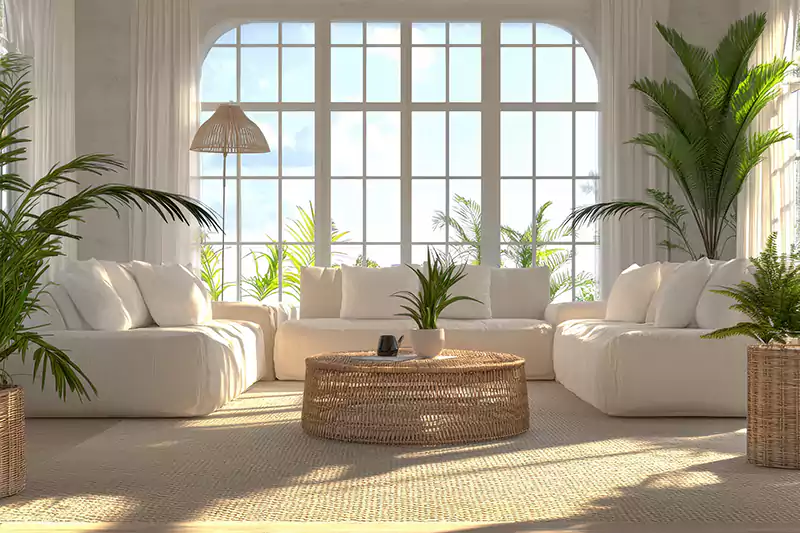
Your house will instantly start to feel more like a home when you allow natural light to fill your rooms with warmth and brightness. That’s why choosing window treatments that allow this effect to happen is such an important step.
It is quite likely that you already subconsciously follow the sun around your home at different times of the day. If you are lucky enough to get bright morning sunshine flooding into your kitchen, for instance, that will likely make it an effortless decision to have your morning coffee in such a hotspot.
There is actually a bit of science behind this way of making the most of the natural sunlight that you have coming into your home; it’s called sun mapping. It involves studying how the sun finds its way into each room of your house and then working out how best to make the most of this positive influence.
Get it right, and you will enjoy a better ambience. You will also influence other key design and living aspects, such as how light each room is and what temperature it reaches.
Let’s take a look at the positive reasons why you should exploit every bit of natural light with the help of sun mapping
Start with the basics
You already know one of the most important aspects of sun mapping. Knowing the sun rises in the east and sets in the west is the most important thing to remember. This will help you when you are working out how the sun interacts with your property throughout the day.
The process of sun mapping is relatively straightforward when you use that basic knowledge and work your way around every room in your home to see what time of the day each space receives the most amount of natural sunlight. It also helps to know which parts of your home are the shadiest, as this information matters when designing the layout of each room. Mapping the sunlight movement will give you the information you need to decide what sort of window treatments you need to help exploit sunlight or provide shade from it.
You also need to be mindful that the angle of sunlight and the level of intensity will change throughout the year. It is clear that your home will be brighter and sunnier during the summer months and less so in the colder times of the year.
The sun influences how and when you use each room
Once you know the direction your home faces and how the sun influences its look and feel throughout the day and seasons, you are much better placed to be able to work out how best to use each space to create the best look and feel for each room.
In summary, the orientation of each room and the timing of sunlight exposure are critical factors in how you design your space and what decor you use.
It follows that any room in your home that faces east will receive a lot of early morning sunlight before it moves away and influences other areas. Using the same logic, any west-facing room you have will be well placed to capture the afternoon sun. A north-facing room is good for receiving a consistent level of soft light throughout the day, which would make it a great environment for a home office, for example.
When you think carefully about how best to embrace natural light in your home, it gives you a great opportunity to design your space for maximum aesthetic appeal.
Choosing colors to match your sunlight levels
The next part of the equation involves working out the most appropriate color palette that will interact the best with the levels of natural light you enjoy in each room.
A good strategy to see what works best would be to use paint testers and fabric swatches so that you can see how the natural light impacts these choices before you actually use them in a room.
Don’t forget to consider different shades and tones of your chosen color to find one that works perfectly with the sunlight level you enjoy in each space.
In general, light and warm tones tend to work best when you are decorating and furnishing a room that receives a lot of natural sunlight. That choice tends to be something that has either a red or yellow undertone if you want the right impact.
Darker tones are often the best solution when you are working with darker, north-facing rooms, which struggle to get much natural sunlight. If you plump for a richer or darker blue or green, for instance, it will help induce a greater feeling of warmth and cosiness than you would otherwise enjoy.
Switching functionality
Some rooms are impossible to switch around, so you will have to use a sun-mapping strategy as best you can in those scenarios. However, you could tailor certain rooms and spaces to take full advantage of how light interacts with each one.
A great example of how transformational this strategy could be is moving your dining area to one of the sunniest spots in the house. Enjoying such a high level of sunshine and daylight will help create a happy and positive vibe where everyone in the family looks forward to eating together and sharing the day’s experiences.
Using window treatments
Finally, remember to use window treatments to control how much light each room receives. A combination of blinds, curtains, and shutters can be deployed successfully to give each room just the right amount of light and ambience.
Take a tour around your home and do some sun mapping. Your efforts will create a home that feels even more warm and welcoming than before. Once you get the levels right, you have the makings of a very happy home.
Sun Mapping FAQs: Making the Most of Natural Light at Home
What is sun mapping?
Sun mapping is the process of studying how natural sunlight moves through your home at different times of the day and across the seasons. It helps you understand which rooms receive the most light and which stay shadier, so you can plan window treatments, colors, and layouts accordingly.
How do I start sun mapping my home?
Begin with the basics: the sun rises in the east and sets in the west. Walk through your home and note what time of day each room gets the most sunlight and which areas stay shaded. Keep in mind that the angle and intensity of sunlight will also shift with the seasons.
Which direction should a room face for the best natural light?
East-facing rooms get strong early morning sun, while west-facing rooms capture warm afternoon light. North-facing rooms receive a softer, more consistent light throughout the day, making them well suited to spaces like a home office.
What colors work best in sunny versus shady rooms?
Rooms with plenty of natural light suit lighter, warmer tones with red or yellow undertones. Darker, north-facing rooms with less sunlight benefit from richer blues or greens, which help create a cozier, warmer feel despite the lower light levels.
How can window treatments help with sun mapping?
Blinds, curtains, and shutters give you control over how much light enters each room. Once you know a room’s sunlight pattern, you can choose treatments that either maximize brightness or provide shade exactly where and when it’s needed.
