

The top four roofing ideas for 2022 include: (1) Slate roofing—versatile tiles or shingles offering modern or traditional aesthetics with low maintenance; (2) Copper roofing—weather-resistant metal ideal for both residential and commercial applications with excellent thermal properties; (3) Heritage roofing—featuring gambrel, hip, and valley roof designs with vintage architectural appeal; and (4) Lead roofing—energy-efficient, long-lasting material (up to 50 years) that’s environmentally friendly and weather-resistant. Each option balances durability, style, and functionality.

There are a lot of different roofing ideas for 2022, and the sky’s the limit. If you are looking to remodel your home, there are a variety of roofing materials that you can use, including metal, tile, shingle, slate, and more. You can also retrofit your roof with newer materials like solar panels or rain gardens.
Roofing can be a very costly investment, and there are several things to consider when making this decision. Here are the top four roofing ideas for 2022:
Slate Roofing
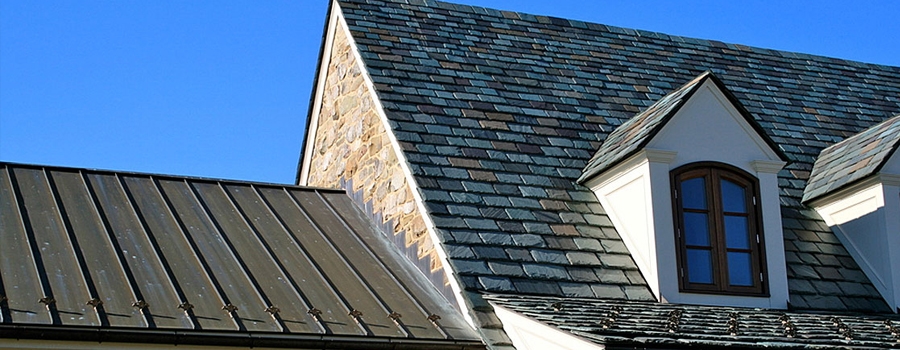
You can use slate roofing as a versatile and stylish option in various settings. Whether you are looking for a modern look or want to take advantage of the natural weather protection that a slate roof provides, many options are available.
For a contemporary look, consider using slate tiles or slate shingles. Tiles or shingles can be simple to install and add an updated look to your home. Shingles are also popular because they are maintenance-free, so you won’t have to worry about repairs or replacements.
If you are searching for a more traditional look, consider using slate shingles or tiles in a colonial or Tudor style. Alternatively, you can use slate tiles in a modern style and add interest and functionality to your home by using solar panels or rainwater harvesting systems.
There are a few things to remember while working on slate roof repair.
- Use suitable materials and techniques to avoid damage and ensure a smooth finish.
- Use a contractor experienced in slate roof repair and who knows how to seal the roof and prevent water damage properly.
- Always consult a qualified engineer before starting any work on your slate roof to ensure that it is properly evaluated and approved.
Copper Roofing
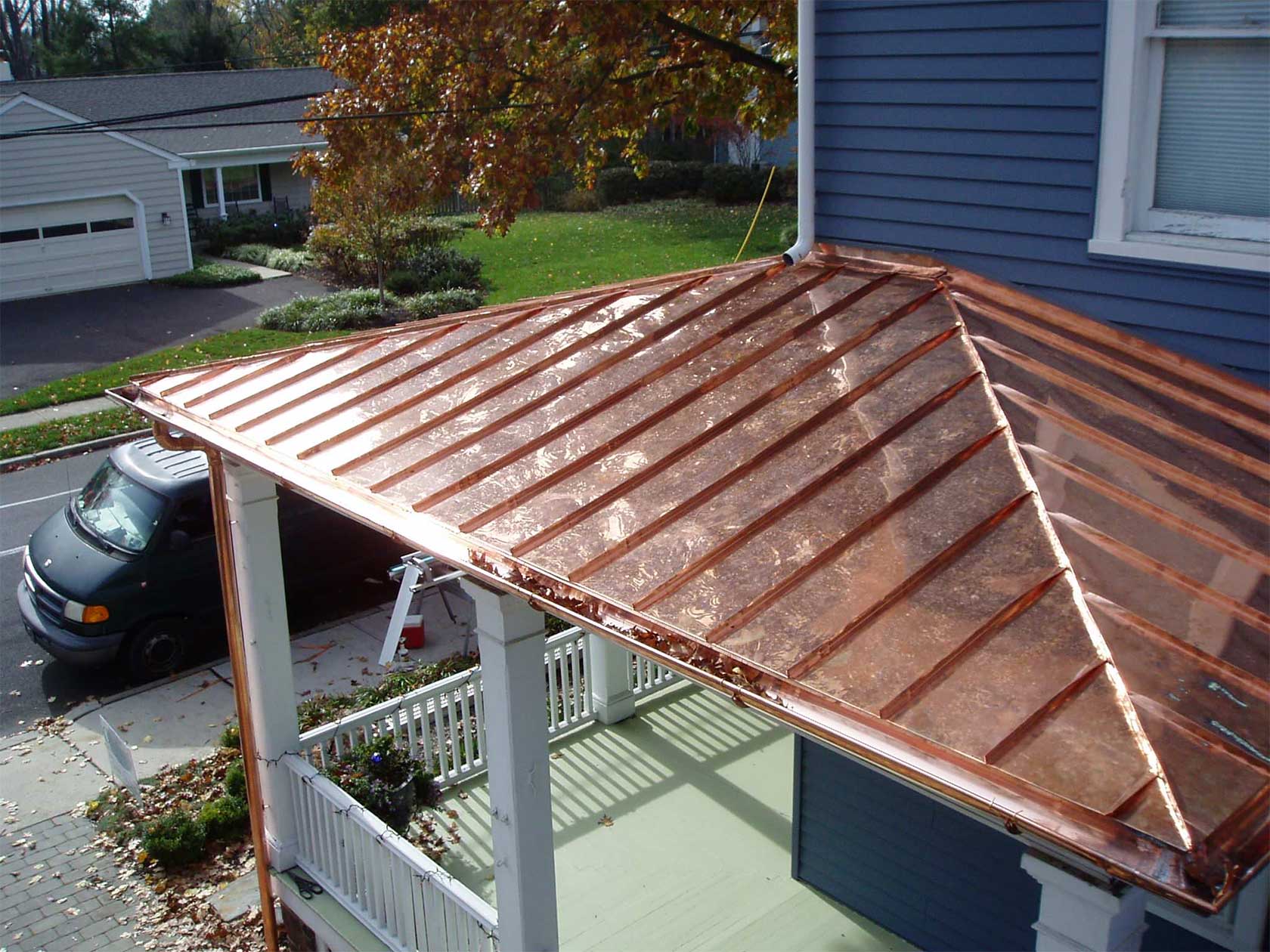
Copper is a beautiful metal that looks stunning in any environment, and it is also a very versatile material. Copper roofing is perfect for those who want the look and feel of a traditional roof but with the added benefits of technology.
The most popular use for copper roofing is in residential applications. It is an excellent choice for homes prone to weathering and damage, as copper is a very weather-resistant material. Copper also has a low thermal conductivity, which means it doesn’t allow heat to escape easily. This makes it an excellent choice for homes in warm climates or areas that experience high temperatures during the summer.
Another excellent use for copper roofing is in commercial applications. Copper is a popular choice for businesses because it is stylish and functional.
Heritage Roofing

Heritage roofing is a popular trend that has seen a resurgence. This roofing style features a vintage design and elements commonly found in older homes. Some of the most popular heritage roofing styles include gambrel, hip, and valley roofs.
Gambrel roofs are characterized by their triangular shape and are the most popular type of heritage roofing. They are popular for their versatility and features that allow them to be used in various styles and settings. Hip roofs are also triangular and are often used in rural or coastal settings. They are popular for their ornate designs and often feature steeply sloped roofs that lead down a valley. Valley roofs are similar to hip roofs in that they are triangular and feature a steeply sloped roof that leads down to a valley.
Lead Roofing

This type of roofing is becoming more popular every year because of its many benefits, including energy efficiency, weather resistance, and longevity.
One of the biggest benefits of lead roofing is that it is an energy-efficient product. Lead roofs can last up to 50 years without needing to be replaced, which is a huge saving over other types of roofs. Additionally, lead roofs are resistant to weather conditions, which means they can handle the harsh weather common in most parts of the country.
Another benefit of lead roofing is that it is a green product. Lead is a non-toxic material, and as a result, it does not produce harmful emissions when used on a roof. Lead roofs are one of the few types of roofs that are environmentally friendly.
Slate and GRP roofs are becoming increasingly popular due to their sleek, modern look. They are lightweight and also easy to install, making them a great option for retrofitting older properties. If you are looking for eco-friendly ideal roofing material, then slate may be a perfect choice. The material is made up of small pieces that can be recycled, and it does not require sealant or other maintenance.
FAQs: Choosing the Best Roofing Material for Your Home
What are the most popular roofing materials for 2022?
The top roofing materials for 2022 include slate, copper, heritage-style designs, and lead. Slate offers versatile styling with minimal maintenance; copper provides exceptional weather resistance and durability; heritage roofing delivers traditional architectural charm through gambrel and hip designs, while lead roofing offers eco-friendly, energy-efficient performance lasting up to 50 years.
Is slate roofing worth the investment?
Slate roofing is an excellent investment for homeowners seeking both aesthetic appeal and longevity. Available in tiles or shingles, slate requires virtually no maintenance, provides natural weather protection, and suits both modern and traditional home designs. You can enhance functionality by pairing slate with solar panels or rainwater harvesting systems for added sustainability.
What are the benefits of copper roofing?
Copper roofing combines beauty with exceptional performance. Its low thermal conductivity prevents heat escape, making it ideal for warm climates and energy-conscious homes. Copper is highly weather-resistant, protecting against damage from harsh conditions, and works beautifully in both residential and commercial applications. While initially more expensive, its durability and timeless appearance provide long-term value.
What defines heritage roofing styles?
Heritage Roofing showcases vintage architectural designs, including gambrel, hip, and valley roofs. Gambrel roofs feature distinctive triangular shapes, offering versatility across various home styles. Hip roofs provide ornate designs with steeply sloped profiles, perfect for rural or coastal properties. Valley roofs combine triangular construction with dramatic slopes leading to valleys, creating striking visual appeal with traditional character.
How long does lead roofing last?
Lead roofing can last up to 50 years without requiring replacement, making it one of the most durable roofing options available. This longevity translates to significant cost savings over time compared to materials needing more frequent replacement. Lead roofs maintain their integrity through extreme weather conditions while providing consistent protection throughout their lifespan.
Is lead roofing environmentally friendly?
Yes, lead roofing is an eco-friendly choice for environmentally conscious homeowners. Lead is a non-toxic material that produces no harmful emissions during installation or throughout its service life. Its energy-efficient properties help reduce heating and cooling costs, and the material itself is fully recyclable, making lead roofing one of the greenest options available today.
Can I retrofit my existing roof with modern materials?
Absolutely. Modern roofing allows for retrofitting with innovative additions like solar panels for renewable energy generation or rain gardens for sustainable water management. These upgrades can be incorporated with various roofing materials, including slate, copper, heritage, and lead options. Consult a qualified roofing contractor to determine compatibility and ensure proper installation for your specific roof type.
What should I consider before choosing a roofing material?
Consider your climate, budget, architectural style, and long-term maintenance requirements. Weather-resistant materials like copper and lead excel in harsh conditions, while slate offers low-maintenance versatility. Heritage styles suit traditional or period homes, whereas modern materials work with contemporary designs. Always work with experienced contractors who can properly evaluate your home’s structure and ensure approved installation techniques for lasting results.
