

How do I properly maintain multiwall polycarbonate sheets?
Store unwrapped sheets away from direct sunlight, install with the UV-protected side facing outside, remove the protective film immediately after installation, clean with lukewarm water and mild detergent only, account for thermal expansion (0.065 mm/m°C) when spacing, use aluminum tape to seal air cells, and handle with proper equipment, avoiding impact and scratches.
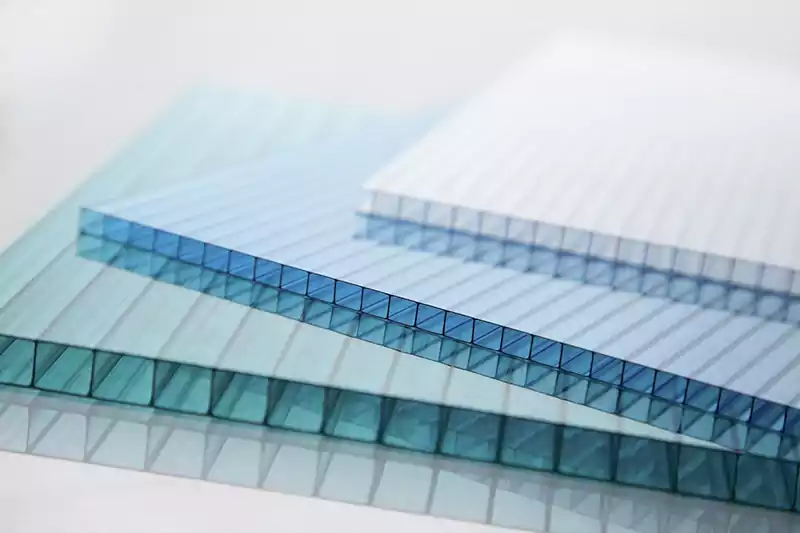
If you have decided to use a multiwall polycarbonate sheet for your upcoming construction project, you must know how to properly use and maintain it. This will ensure that the installation is successful and that the sheet lasts for many years without issue. A single mistake in the installation process or in maintaining the polycarbonate could lead to irreparable damage or inferior performance.
- Never store the sheets, while wrapped in their protective film, in a place where they will be exposed to sunlight.
- Use adhesive aluminum tape to seal the air cells.
- Install the sheets with the ultraviolet-protected side facing the outside, and be sure to remove the protective film after installation.
- Use clean, lukewarm water and a mild dishwashing detergent solution to clean the surfaces gently.
- Allow for thermal expansion of the sheets (meaning that they will grow or shrink slightly in size depending on the weather).
- Use suitable hoisting equipment to handle the sheets; such precautions will prevent unnecessary damage and avoid injury.
- If necessary, only use a polycarbonate-compatible silicone.
Cleaning
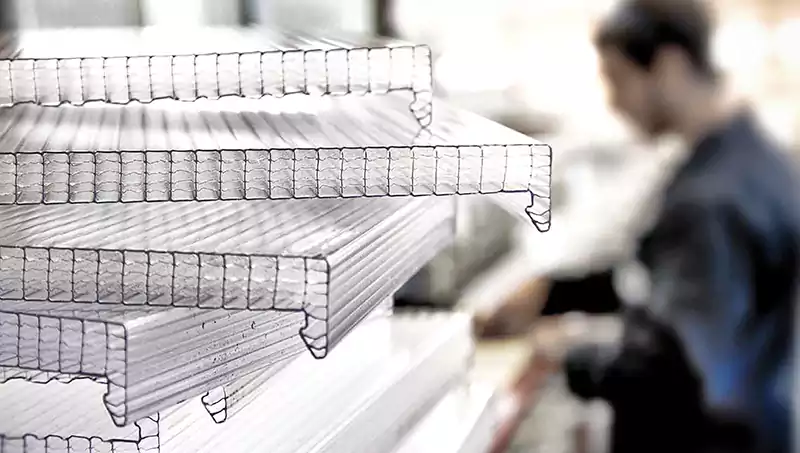
When cleaning multiwall polycarbonate sheets, you must stick with lukewarm water and a mild detergent solution. The use of abrasive products can have a detrimental effect on the surface. If you are unsure about a product’s suitability, it is best to be cautious.
Sealing
Sometimes, it is necessary to seal the edge of the panels to provide the inner channels with protection. In these cases, you must use only a neutral, polycarbonate-compatible silicone to avoid damage. It is recommended that you ask your installer to handle such sealing.
Thermal Expansion
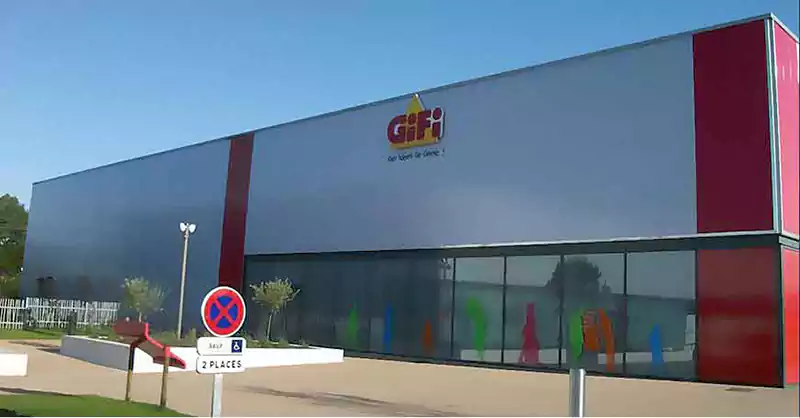
Keep in mind that polycarbonate is subject to thermal expansion of 0.065 mm/°C. When installing the sheets, you must be allowed enough room for expansion. If an anchoring system has been used, it must consist of the brackets and connectors explicitly provided for each product.
Handling
Ensure that proper precautions have been taken when handling the sheets to avoid accidental impact and scratches. Even the slightest bump can ruin the appearance of your polycarbonate, as well as undermine its mechanical properties (effectively rendering it useless).
Storage
It will help if you avoid direct exposure to sunlight and rain. This will help prevent excessive heat build-up in the packaging and condensation in the cells. It is best to leave the protective film on until installation, but remove it immediately after, as it cannot be in the sun.
By following the tips and instructions provided above, you can rest assured that your multiwall polycarbonate sheets have been properly installed and correctly maintained. These sheets are suitable for both residential and commercial applications, but you must properly care for them to ensure their long-lasting performance. When looked after, polycarbonate is a durable and aesthetically pleasing material that we are sure you will love.
FAQs: Multiwall Polycarbonate Sheet Maintenance
How should I store multiwall polycarbonate sheets before installation?
Store sheets away from direct sunlight and rain exposure to prevent heat buildup and condensation formation in air cells. Never store wrapped sheets in sunlit areas—heat can damage the protective film and material quality. Proper storage maintains sheet integrity, ensuring successful installation and optimal performance throughout their lifespan. Poor storage conditions may cause irreparable damage requiring replacement before the project begins.
Which side of the polycarbonate sheet faces outward during installation?
Always install sheets with the ultraviolet (UV) protected side facing the outside. This side resists sun damage and environmental degradation. After installation, immediately remove the protective film—leaving it on exposes the film to sunlight, causing deterioration and difficult removal. Proper orientation and timely film removal ensure UV protection functions correctly while maintaining aesthetic appearance and material durability long-term.
What cleaning products are safe for polycarbonate sheets?
Use only clean, lukewarm water combined with mild dishwashing detergent solutions for gentle cleaning. Avoid abrasive products, harsh chemicals, and aggressive scrubbing that damage surfaces. When uncertain about product suitability, use only water-detergent combinations. Improper cleaning can permanently degrade polycarbonate finish and optical properties, so conservative approaches protect your investment while maintaining clarity.
Why is thermal expansion important when installing polycarbonate?
Polycarbonate expands and contracts with temperature changes at rates of 0.065 mm per meter per degree Celsius. Failing to account for thermal expansion causes buckling, warping, and potential structural failure. Installation systems must include proper spacing allowances using manufacturer-specified brackets and connectors. This technical consideration prevents costly mistakes—improper spacing eliminates expansion room, causing material damage during temperature fluctuations between seasons.
How do I seal polycarbonate sheet edges properly?
Use only neutral, polycarbonate-compatible silicone sealants to protect inner air channels from moisture and debris intrusion. Standard silicones or incompatible products can damage the material chemically. For optimal results, have professional installers handle edge sealing, ensuring proper application and compatibility. Improper sealing allows water infiltration, damaging internal cell structures and reducing insulation effectiveness, so this detail deserves careful professional attention.
What is adhesive aluminum tape used for?
Adhesive aluminum tape seals polycarbonate air cells, preventing dust, moisture, and debris from entering hollow chamber structures. This sealing protects the sheet’s insulation properties and prevents condensation accumulation. Aluminum tape application requires care to ensure complete coverage and proper adhesion. This simple step dramatically impacts long-term performance and appearance by maintaining the material’s integrity against environmental contamination.
What handling precautions prevent polycarbonate damage?
Use appropriate hoisting equipment and mechanical handling tools rather than manual methods. Even minor impacts and scratches damage surfaces and compromise mechanical properties. Proper handling prevents accidents injuring workers while protecting valuable materials from unnecessary damage. Transport sheets carefully, avoid dropping or dragging, and use padding during movement. Careful handling practices cost minimal money compared to material replacement or repair expenses.
Can I use polycarbonate sheets for both residential and commercial projects?
Yes, multiwall polycarbonate sheets suit both residential and commercial applications. When properly installed and maintained, they deliver reliable performance in greenhouses, skylights, roofing, partitions, and protective panels. Material durability and aesthetic flexibility make polycarbonate suitable for diverse projects. Understanding application-specific requirements and following proper installation procedures ensures optimal performance regardless of project scope or complexity.
When should I remove the protective film from polycarbonate sheets?
Please remove the protective film immediately after the installation is complete. Leaving film on after installation exposes it to sunlight, causing deterioration that makes removal extremely difficult. The protective film is temporary—its purpose ends once installation finishes. Delayed removal can trap the film permanently, damaging material aesthetics and optical clarity. Make timely film removal a priority to prevent complications and maintain sheet appearance and functionality.
How long do multiwall polycarbonate sheets last with proper maintenance?
Properly installed and maintained polycarbonate sheets last for many years without issues. UV protection, appropriate thermal expansion allowance, protective sealing, gentle cleaning, and careful handling extend lifespan significantly. While exact durability depends on climate, usage, and application, quality sheets with proper care deliver decades of reliable performance. Investing in correct installation and maintenance practices protects your investment while ensuring long-term satisfaction with your polycarbonate project.
