

When a fire hits, professional cleanup includes safety evaluation, property securing, water extraction and drying, soot and smoke removal, odor elimination (ozone treatment, hydroxyl generators), salvaging personal belongings, and structural reconstruction. Timelines range from several days for minor damage to months for severe cases.
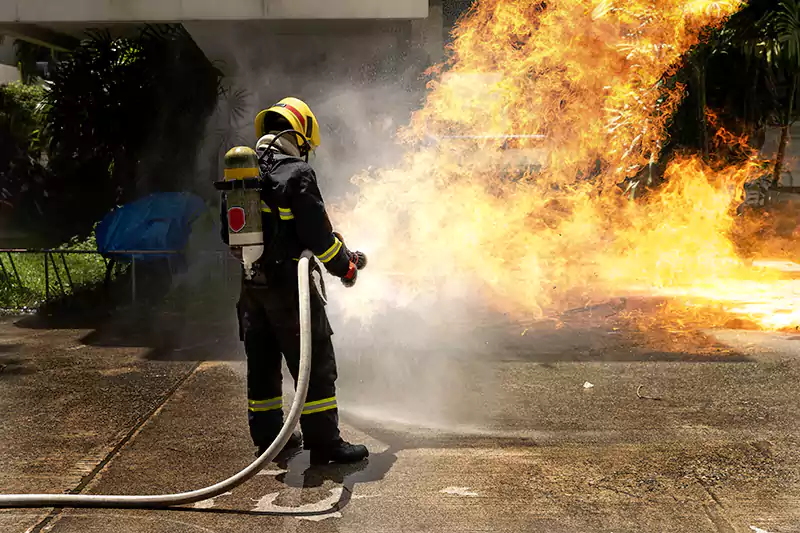
A fire can wreck a home or business in minutes, but putting out the flames is really just the first chapter. The real work starts right after, while the smoke is still hanging in the air. Professional fire damage cleanup addresses the hazardous residue left behind, stops a serious situation from getting worse, and restores the property to a livable condition. Knowing roughly what that process looks like makes it a little easier to think clearly when everything feels like it’s falling apart.
Why Immediate Action Matters
The damage doesn’t stop once the firefighters pack up and leave. Smoke keeps settling into surfaces, soot works its way into anything porous, and the water used to fight the fire often causes its own set of problems. Wait too long to start restoration, and you’re looking at:
- Permanent staining
- Corrosion on metal surfaces
- Smoke odor that lingers for months
- Mold from all that extra moisture
- Weakened structural elements
Industry professionals generally agree that smoke and soot get noticeably harder to remove with every passing hour, which is precisely why speed matters here more than in most other types of property damage.
Step One: Figuring Out What’s Actually Safe
Before anyone touches a mop or a vacuum, restoration crews walk the property and assess it properly. Fires have a habit of compromising structural integrity in ways that aren’t obvious at a glance, so safety comes first every time.
That assessment generally covers the following:
| Inspection Area | Purpose |
| Structural Components | Identify weakened walls, floors, and ceilings |
| Electrical Systems | Detect damaged wiring and fire hazards |
| Plumbing Systems | Check for leaks caused by heat or firefighting efforts |
| Air Quality | Measure smoke contamination levels |
| Personal Belongings | Determine what can be restored |
This step serves a dual purpose. It informs the restoration plan, and it gives the insurance company something tangible to work from later on.
Locking Down the Property
Once you map out the risks, the next step is to secure the property so it doesn’t get worse overnight. That typically means:
- Boarding up broken windows
- Putting up temporary fencing
- Tarping over any roof damage
- Blocking off areas that aren’t safe to enter
These steps keep the weather, looters, and general decay from making things worse while the bigger restoration work gets underway.
Getting the Water Out
Here’s something that surprises many property owners: water damage can be just as serious as the fire itself. All that water used to put out the flames has to go somewhere, and it tends to soak into everything in its path.
Restoration crews bring in equipment built specifically for this — industrial pumps, wet vacuums, high-capacity air movers, and commercial dehumidifiers. Drying things out quickly is what keeps mold from taking hold and gives the building materials underneath a fighting chance.
Even a small kitchen fire can require thousands of gallons of water to put out. Without proper extraction and drying right after, the drywall, flooring, and cabinetry nearby can end up with damage that’s worse than the fire itself caused.
Dealing With Smoke and Soot
Smoke doesn’t stay where the fire started. It travels through ductwork and ventilation systems, settling in rooms that never saw a flame.
Not all soot behaves the same way, either:
| Soot Type | Characteristics |
| Dry Soot | Powdery residue from fast-burning fires |
| Wet Soot | Sticky deposits from low-oxygen fires |
| Protein Residue | Nearly invisible film from kitchen fires |
| Fuel Oil Soot | Dense contamination from furnace puff-backs |
Each one calls for a different cleaning approach — there’s no single product or method that handles all four equally well.
How Professionals Actually Clean This Up
Depending on the surface and the type of residue, technicians might reach for the following:
- HEPA vacuuming
- Dry chemical sponges
- Specialized cleaning agents
- Abrasive methods for the worst contamination
Get this wrong, and you risk smearing soot deeper into a surface or damaging it permanently — which is really the main argument for not trying to tackle this part yourself.
Getting Rid of the Smell for Good
The smoke smell is stubborn. Regular cleaning products tend to cover it up rather than actually remove it, which explains why so many fire-damaged properties still smell faintly of smoke months later despite a thorough cleaning.
Restoration companies go after the problem at a molecular level using methods like the following:
- Thermal fogging
- Ozone treatment
- Hydroxyl generators
- Air scrubbing systems
These techniques actually break down the particles causing the odor instead of just masking them, which is the only way the smell truly goes away.
Saving What Can Be Saved
Many belongings that look ruined right after a fire can actually be restored. Items commonly recovered include:
- Furniture
- Electronics
- Documents
- Photographs
- Clothing
- Family heirlooms
Specialists use methods like ultrasonic cleaning, freeze-drying, and content cleaning to bring these items back — techniques most people have never heard of but that genuinely work on things you’d otherwise throw away.
Rebuilding the Structure
Once everything is cleaned, dried, and deodorized, reconstruction begins. How much rebuilding is needed depends entirely on how bad the fire was.
That might mean:
- Replacing drywall
- Putting in new flooring
- Rebuilding damaged framing
- Painting and finishing surfaces
- Restoring roofing systems
The goal is always the same: restore the property to its pre-fire condition as closely as possible.
Navigating Insurance
Dealing with an insurance claim on top of everything else is exhausting. Most restoration companies help ease that burden by providing the following:
- Damage documentation
- Detailed estimates
- Photo evidence
- Inventory reports
- Direct communication with adjusters
Solid documentation helps accelerate the claims process and reduces back-and-forth disputes with the insurer.
What Tends to Go Wrong Along the Way
Fire restoration rarely goes perfectly smoothly, and a few recurring issues show up across most projects.
Hidden damage is a big one. Heat can silently weaken structural components that look fine on the outside. Another is corrosion: acidic soot residue eats away at metal, glass, and electronics if not removed quickly. Airborne contaminants are a sneakier issue. Smoke particles can continue to circulate through HVAC systems long after the visible cleanup is done if you do not address the ductwork. And then there is the emotional side; losing personal belongings and being displaced from your home or business is very hard, and the impact is often ignored in conversations focused only on physical repairs.
So, How Long Does All This Work Take?
It really depends on how severe the damage was:
| Damage Level | Estimated Cleanup Time |
| Minor | Several days |
| Moderate | One to three weeks |
| Severe | Several weeks to months |
Property size, the amount of water damage, and the amount of reconstruction needed all affect where a specific job falls on that scale.
What to Do If This Happens to You
If it’s safe, here’s how to begin:
- Call your insurance provider right away.
- Photograph all the visible damage.
- Stay out of any areas that look unsafe.
- Resist the urge to do extensive cleaning yourself.
- Track expenses tied to temporary housing or emergency repairs.
- Bring in certified restoration professionals for the assessment and recovery work.
The Short Version
A few things worth remembering:
- Recovery starts well before any rebuilding does.
- Acting quickly limits secondary damage from soot, smoke, and moisture.
- Expert cleaning techniques are necessary to eliminate contaminants and odors safely.
- Water extraction is usually a critical piece of the whole process.
- Good insurance documentation makes a real difference in how claims play out.
- A full restoration covers inspection, cleanup, deodorizing, repairs, and rebuilding — all of it.
Final Thoughts
Going through the aftermath of a fire is rough; no way around that. But having a rough idea of what the restoration process actually involves makes it easier to make good decisions instead of panicked ones. From securing the structure and pulling out the water to chasing down every last trace of smoke smell and finally rebuilding what was lost, each stage is designed to get the property—and the people who live or work there—back to something resembling normal. Moving fast and bringing in people who actually know what they’re doing makes the biggest difference in how much damage sticks around and how quickly life gets back on track.
FAQs: Fire Damage Cleanup and Restoration
What should I do immediately after a fire is put out?
Contact your insurance provider, photograph all visible damage, and avoid entering unsafe areas. Don’t try to clean up too much yourself—the longer smoke and soot sit, the harder they become to remove, so getting a certified restoration professional in there quickly helps limit long-term damage.
Why is water damage a concern after a fire, not just smoke and soot?
Firefighting efforts often require thousands of gallons of water that saturate drywall, flooring, and cabinetry. If the trapped moisture is not promptly removed and dried out with the help of industrial pumps and dehumidifiers, it will lead to the growth of mold and will cause secondary damage worse than the fire itself.
How do professionals get rid of smoke odor for keeps?
Regular cleaning products just cover up smoke smell; they don’t remove it. To remove the odor permanently, restoration companies use thermal fogging, ozone treatment, hydroxyl generators, and air scrubbing systems to break down odor-causing particles at the molecular level.
Can personal belongings be saved after fire damage?
Yes, many things that look like they’re garbage can actually be revived. Restoration companies that specialize in fire damage can often save items such as furniture, electronics, documents, photographs, clothing, and family heirlooms through methods such as ultrasonic cleaning, freeze-drying, and specialized fire damage cleaning.
How long does fire damage cleanup and restoration typically take?
Minor damage can be repaired in a few days. Moderate damage usually takes 1 to 3 weeks. Severe damage can take weeks to months. The timeline will depend on the size of the property, the extent of the water damage, and how much reconstruction is necessary.
What hidden damage should I watch for after a fire?
Heat can compromise structural elements that may appear fine on the surface, and acidic soot residue can corrode metal, glass, and electronics if not removed quickly. Even long after visible cleanup, smoke particles can continue to recirculate through HVAC systems, so a thorough professional inspection is important.
How does fire restoration help with insurance claims?
Restoration professionals usually provide documentation of damage, detailed estimates, photo evidence, and inventory reports and communicate directly with insurance adjusters. This documentation accelerates the claims process and reduces the chances of any disputes over coverage.
