

What are the latest home decor trends for modern interiors?
Popular trends include vibrant green accents (tropical or earthy shades), mixed patterns and textures for visual interest, climbing indoor plants on trellises, simple window treatments maximizing natural light, rustic wood tile for kitchens and bathrooms, and farmhouse-style elements combining modern with vintage aesthetics throughout your home.
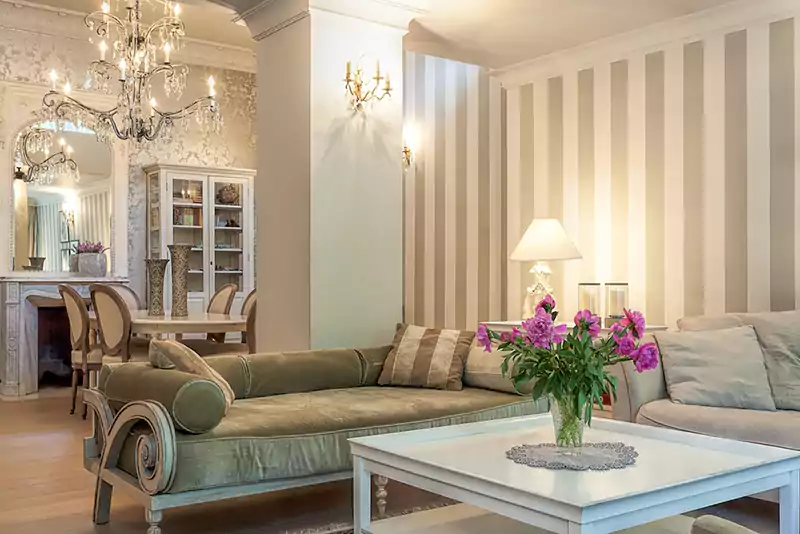
Home decor trends change over time, with popular new trends popping up each year. 2017 is no exception, offering us some trendy new indoor and outdoor home decor ideas to explore. This year, it’s all about simplicity, rustic appeal, eye-catching pieces, and functionality, whether you’re indoors or outdoors.
Interior Trends
Going Green
Green is one of 2017’s trendiest colors, whether on walls or as an accent to brighten a room. But forget the pale, minty greens. This year, it’s all about bright, tropical greens or dark, earthy greens.
Consider a few bright green decor pieces to liven up the space if you’re not yet sold on making over a full room with greens. Or choose two or three furniture pieces to go green. Green fabric parsons chairs are the perfect pieces to add comfort to space while also bringing in some green pops.
Mixed Patterns And Textures
According to Elle Decor, home decor trends tend to mirror current fashion trends. What’s hot right now in fashion? Mixed patterns and textures. Fall 2016’s New York Fashion Week displayed tons of mix-and-match patterned and textured looks, and the trend for home decor is following close behind.
Basically, don’t shy away from patterns and textures you normally wouldn’t think to mesh well. If they have a similar color scheme or complementing colors, put them together and see what happens. Zig-zag bedding with flower curtains? Why not?
Climbing Or Hanging Plants
Adding live plants to a home’s interior has been popular for years. Live plants are healthy for the body and mind and bring some outdoor beauty indoors. But this year, you may see more climbing and hanging vine-type plants taking over living spaces, kitchens, or bedrooms. An indoor trellis can be a beautiful focal point or allow gorgeous vines to crawl up columns.
Simple Window Dressings
Natural light provides natural warmth to a room and lifts moods. This trend is probably not going to pass anytime soon. But 2017 will see a rise in more simplistic window dressings. Think straight curtains rather than pleated wooden blinds and thin curtain materials. Not only do they create the minimalistic vibe that’s hot for 2017, but they’ll provide plenty of natural light and prevent pests from hiding out in them.
Wood Tile
This year, wooden tiles are in, while subway tiles are out. Bathrooms and kitchens take on a more rustic feel with wooden tiles as backsplashes, on accent walls, on floors, or in the shower. Rather than use bricks or stone for a fireplace, use wooden tiles for a cleaner finish.
Farmhouse Style
Keeping in line with the rustic home trend for 2017, homeowners are leaning more toward farmhouse style than modern finishes. Large farmhouse sinks in the kitchen are rapidly moving up the ladder, as are wood-burning fireplaces, barnhouse doors, and wood-grain cabinetry. The look is versatile, allowing you to go as rustic or modern as you want, with worn or sleek finishes.
Outdoor Trends
Low-Maintenance Grass
The environmental impact of watering lawns seems to have affected how people imagine their lawns. Landscapers see a shift from traditional grass installations to lawn alternatives, like turfgrass mixes that don’t need to be mowed or other mixes that don’t need frequent watering. It appears that people are trading maintenance time for time to truly enjoy their outdoor areas.
Bottles or Mason Jar Lanterns
If you’re looking for a fairly simple DIY project for your outdoor area, gather some wine bottles or mason jars, and create your own beautiful outdoor lights. With innumerable Pinterest projects to choose from, DIY outdoor lighting projects are among the most popular ways to brighten up an outdoor living space using items you probably already have.
Fully-Functional Outdoor Living
Homeowners want to spend more time outdoors this year with fully functional living spaces, kitchens, and entertainment included. Although they may cost a pretty penny, outdoor living spaces can significantly increase your home’s value while providing your family with more opportunities to enjoy nature.
Edible Landscapes
“Going green” has become more popular than ever, and landscaping is no exception for the new year. Landscapes are transitioning from simply eye-pleasing to eye-pleasing and sustainable. More homeowners this year will likely switch to creating beautiful landscapes with edible produce. Herbs, vegetables, and fruits can all provide the lush greenery and pops of color you’d expect in a landscape, while also creating a sustainable garden.
Bold Accents
Who says your exterior colors have to be subtle? The new year is bringing in some bold accents for home exteriors. Choose a bright orange or blue for your front door, paint your shutters candy apple red, or transform your brown fence to sunshine yellow. The key is to not go overboard with color; instead, stick to one or two key accent areas to add some bright pops of color.
Space-Saving Vertical Gardens
Not everyone has the time or space needed to devote to a full-size garden, yet they still want a garden’s beauty and functionality. No problem! 2017 will bring more vertical gardens to outdoor spaces, using chicken wire, planks, pouches, and more to grow a garden upwards and save some time and space.
FAQs: Modern Home Decor Trends for Interior and Outdoor Spaces
What green shades work best for modern interior design?
Bright tropical greens and deep earthy greens are trending over pale mint shades. Use vibrant green accent pieces like fabric parsons chairs to add energizing pops of color, or commit to full room makeovers with green walls. Dark forest greens create sophisticated, grounded atmospheres while bright greens energize spaces. Choose shades that complement existing color schemes for cohesive design.
How do I mix patterns and textures without creating visual chaos?
Successfully mixing patterns requires similar color schemes or complementary colors as your foundation. Combine unexpected patterns like zigzag bedding with floral curtains when colors coordinate. Vary pattern scales—pair large prints with smaller ones. Mix textures through different fabrics like velvet, linen, and cotton. The key is finding common color threads that tie disparate patterns together harmoniously.
What types of climbing plants work best indoors?
Popular indoor climbing plants include pothos, philodendron, English ivy, and monstera. These vine-type plants thrive indoors with proper light and can grow on trellises, up columns, or along walls. They purify air while adding dramatic vertical greenery. Indoor climbing plants create stunning focal points in living spaces, kitchens, and bedrooms while connecting you with nature year-round.
Why are simple window treatments becoming more popular?
Simple window dressings maximize natural light that improves mood and creates warmth. Straight curtains instead of pleated styles, wooden blinds, and thin curtain materials align with minimalistic design trends while offering practical benefits. They provide easier cleaning, prevent pest hiding spots, and allow more sunlight penetration. Simple treatments deliver clean aesthetics without sacrificing functionality or light control.
Where should I use wood tile in my home?
Wood tiles work beautifully as kitchen and bathroom backsplashes, accent walls, flooring, and shower surrounds. They create rustic warmth while being more practical than traditional subway tiles. Use wooden tiles around fireplaces for cleaner finishes than brick or stone. The versatile material adds texture and natural beauty throughout your home while maintaining easy maintenance and durability.
What defines farmhouse-style interior design?
Farmhouse style combines rustic charm with functional simplicity. Key elements include large farmhouse sinks, wood-burning fireplaces, barn-style sliding doors, and wood-grain cabinetry. The aesthetic allows flexibility from heavily distressed vintage finishes to sleek modern interpretations. Farmhouse design emphasizes natural materials, practical functionality, and comfortable lived-in appeal that feels both welcoming and stylish.
What are low-maintenance grass alternatives for lawns?
Turfgrass mixes requiring no mowing and drought-resistant varieties needing infrequent watering are popular alternatives to traditional lawns. These sustainable options reduce environmental impact, lower water consumption, and free up time for enjoying outdoor spaces rather than maintaining them. Choose native grass species adapted to your climate for best results with minimal maintenance requirements.
How can I create DIY outdoor lighting on a budget?
Repurpose wine bottles or mason jars into beautiful outdoor lanterns using simple DIY techniques. String lights through bottles, add LED candles to jars, or create hanging luminaries. These budget-friendly projects use materials you likely already own and offer countless Pinterest-inspired variations. DIY bottle and jar lanterns add charming ambiance to patios, gardens, and outdoor living areas inexpensively.
What should a fully functional outdoor living space include?
Complete outdoor living spaces feature comfortable seating areas, outdoor kitchens with cooking capabilities, entertainment zones with weather-resistant TVs or speakers, and proper lighting for evening use. Include shade structures, durable all-weather furniture, and storage solutions. While requiring significant investment, these spaces dramatically increase home value while providing family areas to enjoy nature and entertain guests throughout warmer months.
How do I create an edible landscape that looks beautiful?
Design edible landscapes combining herbs, vegetables, and fruit plants that provide visual appeal alongside sustainability. Use colorful chard and kale as ornamental borders, train berry vines on trellises, plant fruit trees as focal points, and incorporate flowering herbs like lavender and rosemary. Edible landscapes deliver gorgeous greenery, seasonal color changes, and fresh produce while reducing grocery costs and environmental impact.
